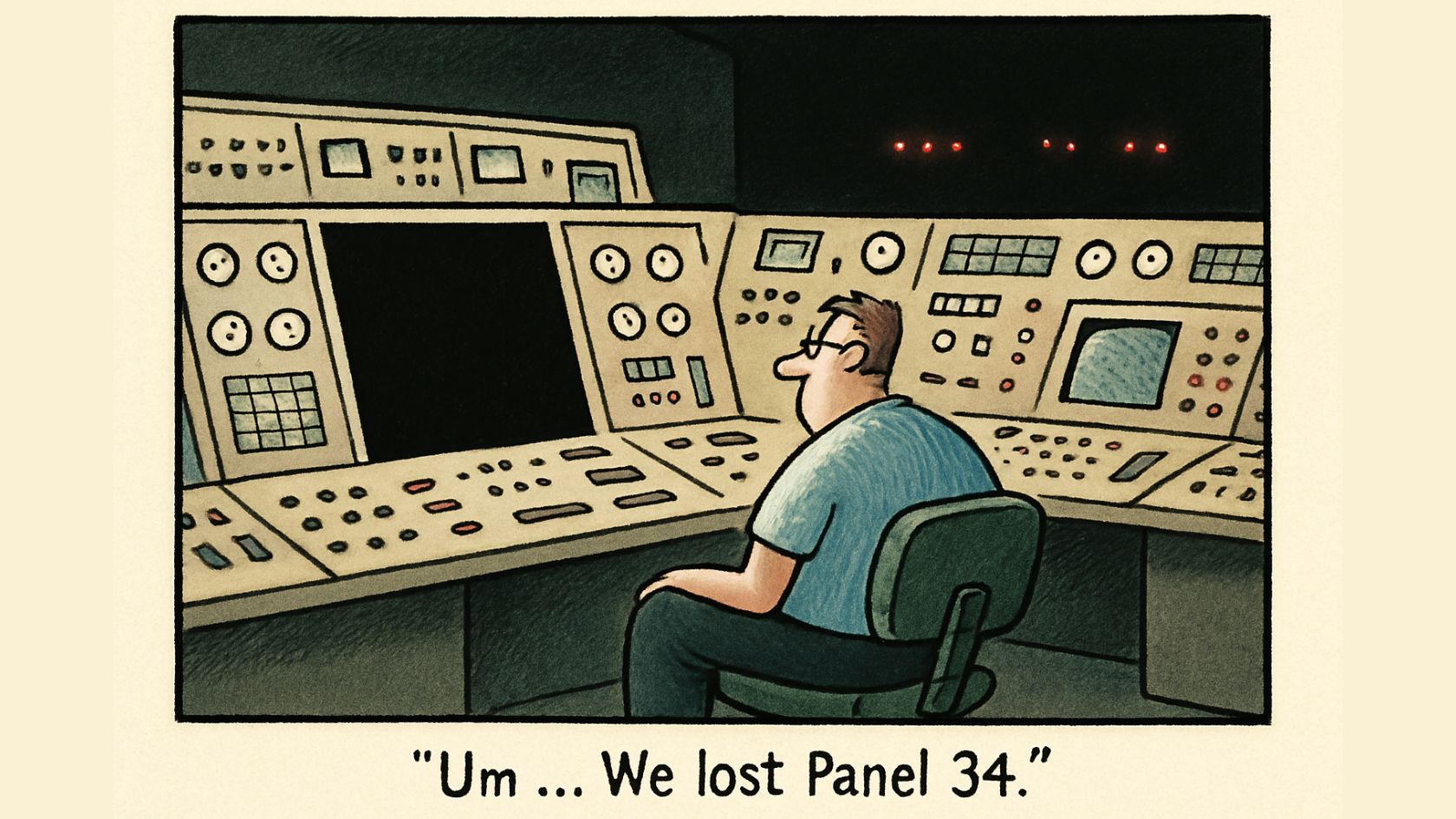
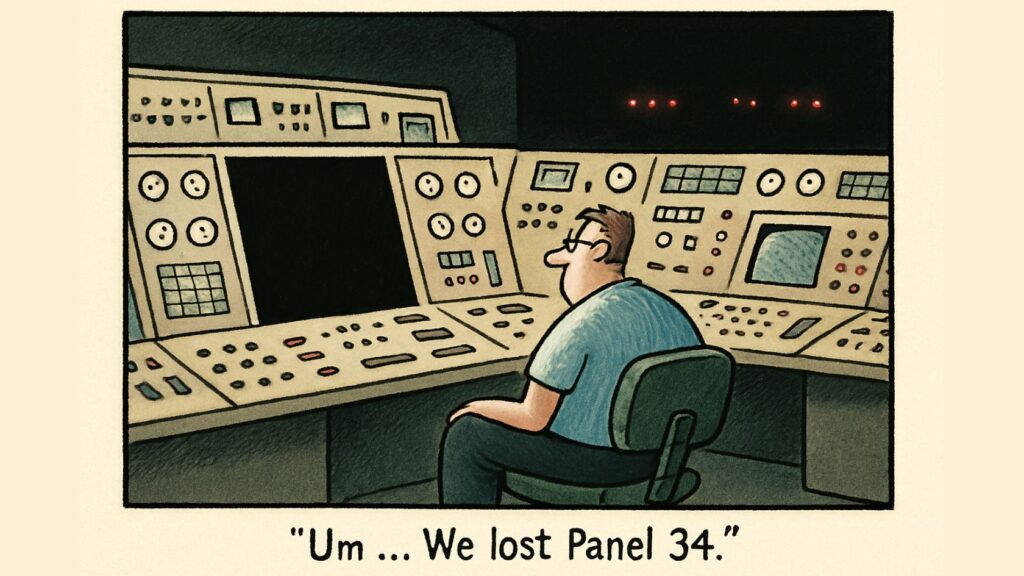
 In nuclear operations, when a control panel goes dark, you don’t speculate. You don’t guess. You stop, assess, and figure out what failed—because precision is non-negotiable.
The same principle should apply in government.
Heather Cox Richardson’s August 4 report documented the firing of the U.S. labor commissioner for releasing a negative jobs report. The commissioner’s role is nonpartisan and technical, embedded within the Bureau of Labor Statistics (BLS). His removal marked more than retaliation. It signaled a shift away from empirical accountability.
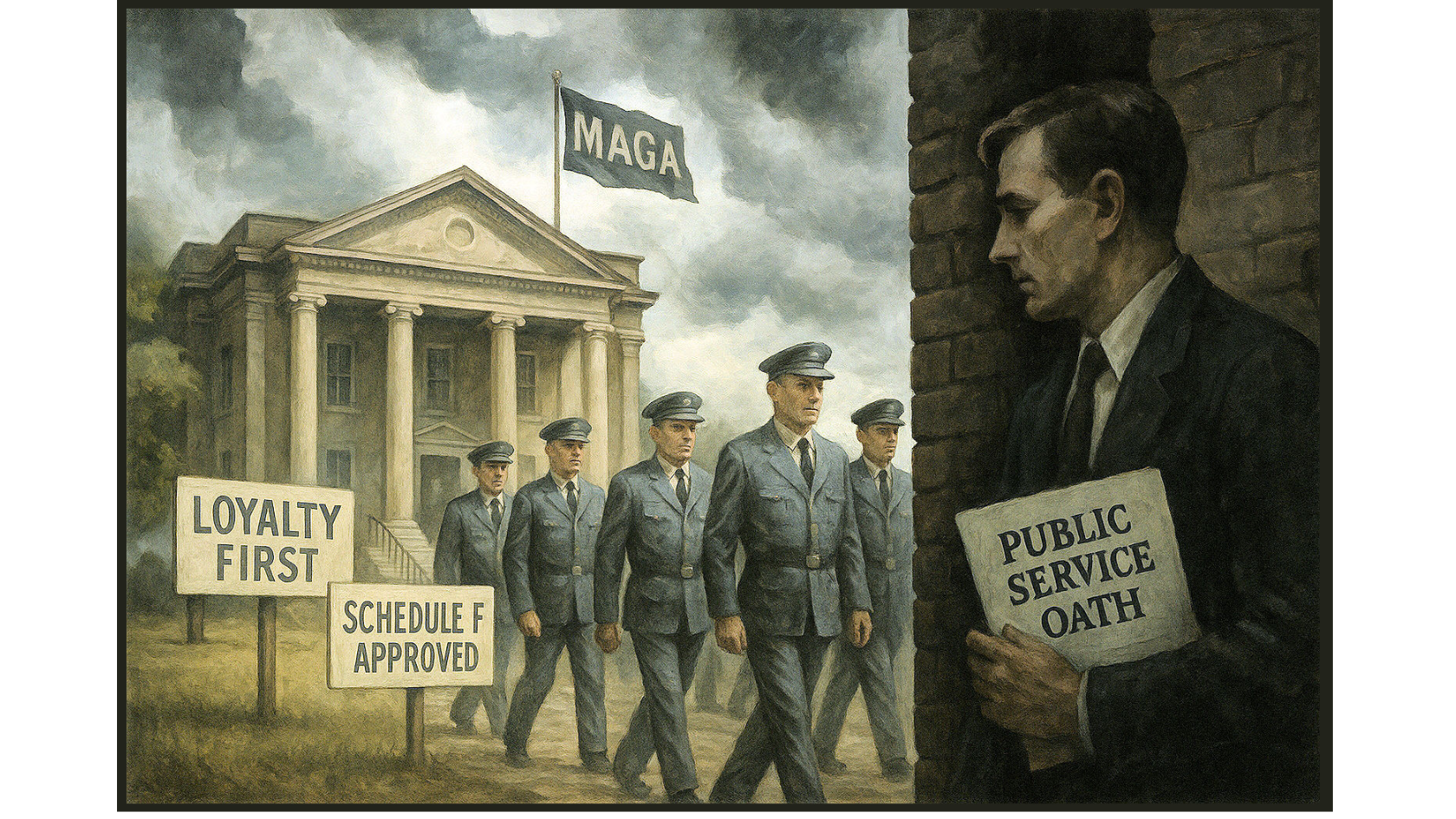
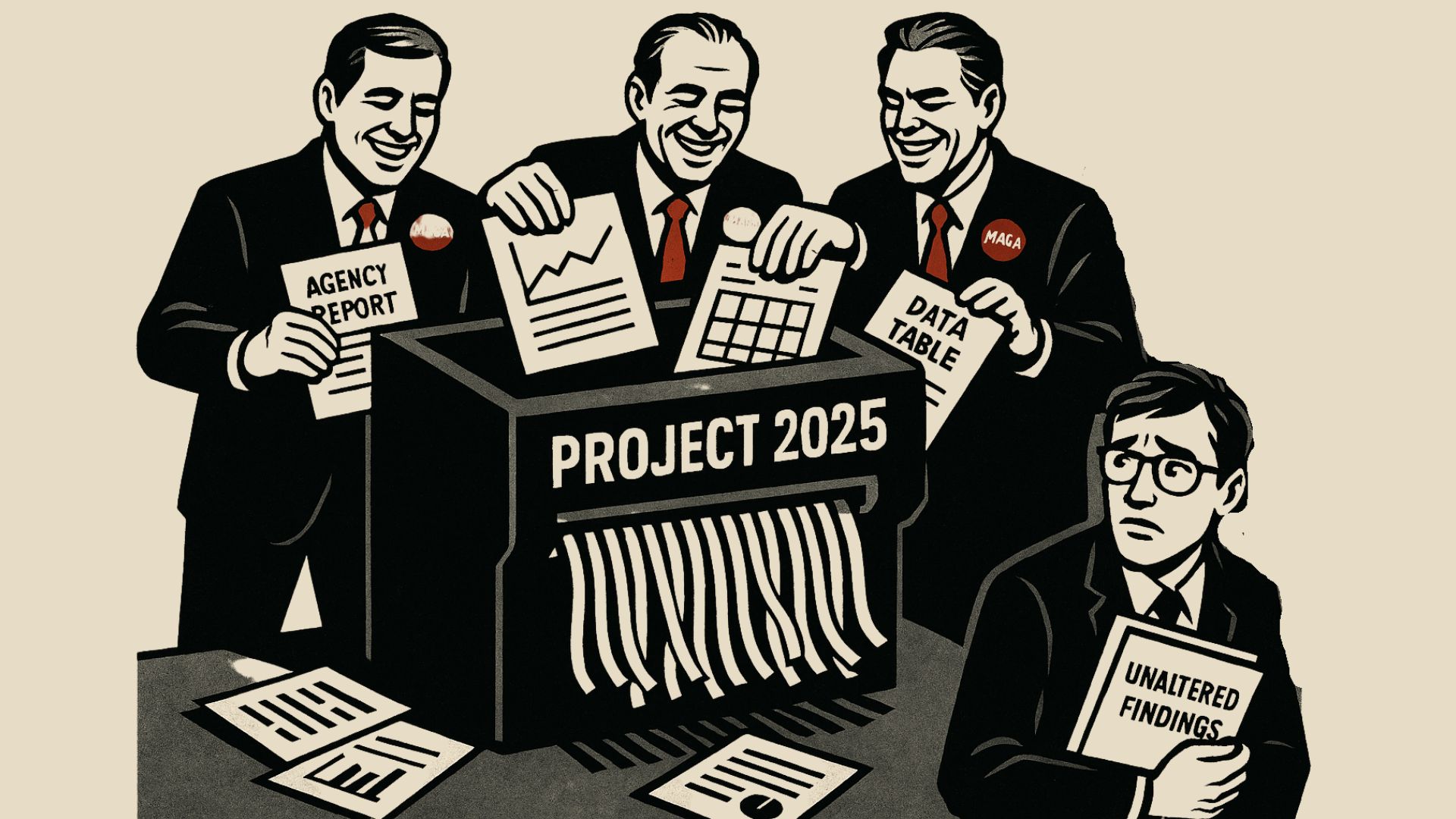
Project 2025 and its policy proposals explicitly call for the removal of civil servants who do not align with the political agenda of the executive. In practice, that means replacing analysts, statisticians, and agency professionals with individuals who will prioritize message discipline over measurement integrity.
In systems engineering, that’s called failure inducement.
If a president can remove an official for accurate reporting, the signal to other professionals is clear: suppress the data or risk removal.
And when that suppression cascades?
– Weather warnings arrive late or inaccurately
– Employment and inflation forecasts lose credibility
– Infrastructure oversight reports vanish
– Regulatory enforcement weakens
Federal agencies like BLS, NOAA, NIST, and even the Nuclear Regulatory Commission rely on continuity, rigor, and factual independence. Undermining those foundations means discarding reliability in favor of controllability.
Under Project 2025, the core functions of government are not being streamlined. They’re being subverted.
Schedule F would reclassify tens of thousands of federal employees—removing job protections and enabling termination based on perceived disloyalty rather than performance. The stated goal is to “restore executive control.” The operational result would be the dismantling of institutional memory, technical oversight, and public transparency.
The damage isn’t hypothetical. It’s operational.
– If FEMA is staffed with untrained loyalists, disaster response will fail.
– If labor metrics are manipulated, economic policy will misfire.
– If environmental data is politicized, mitigation strategies will collapse.
In the private sector, falsifying reports or overriding safety systems leads to lawsuits and criminal charges. In government, under the current trajectory, it leads to applause.
That’s the risk.
Control panels exist for a reason. You don’t shut off the alarm because the light is inconvenient.
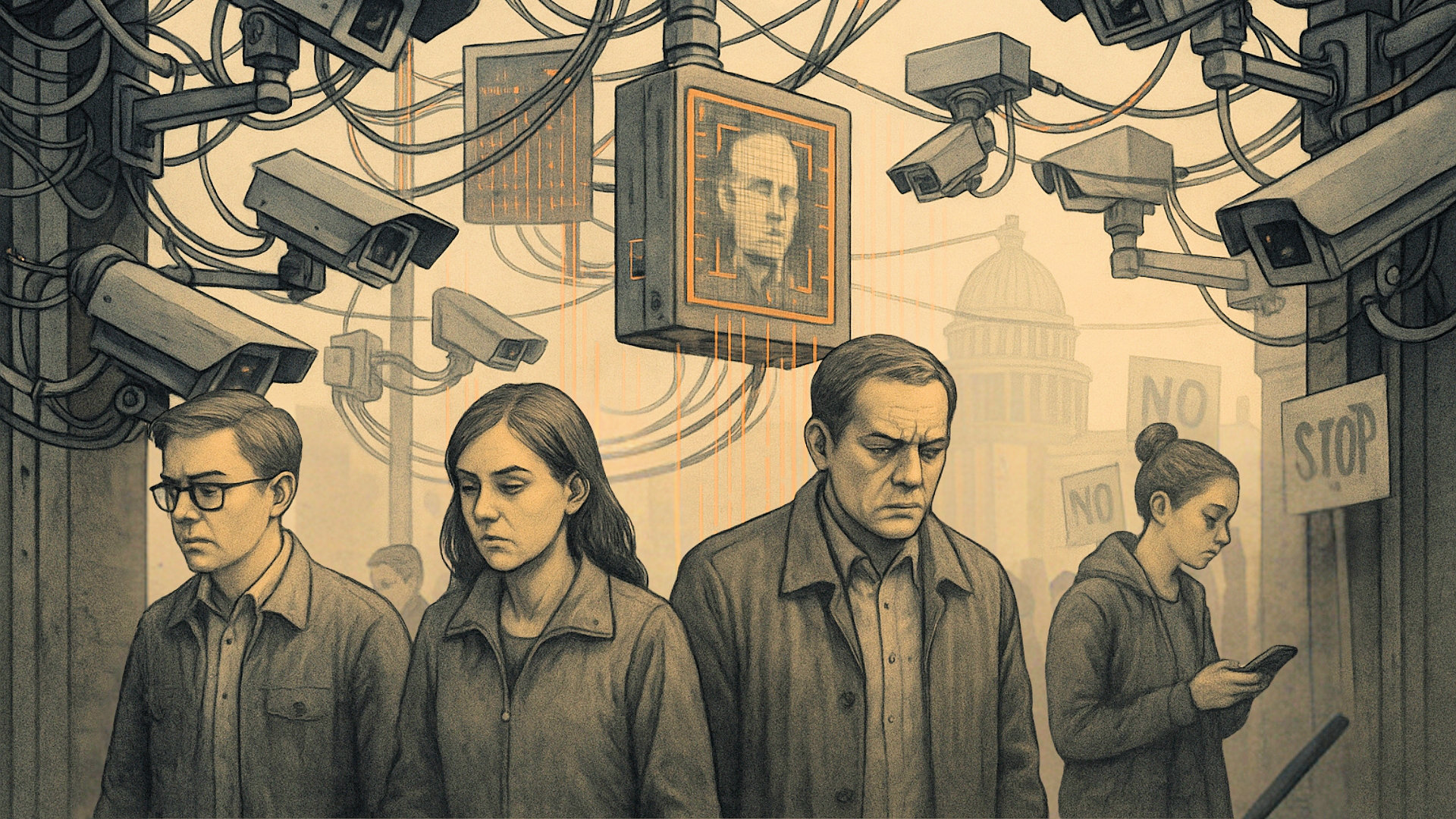
There’s precedent for what happens next. Authoritarian regimes consistently attack independent data, remove auditors, and centralize decision-making. The results are not efficiencies—they are preventable failures with civilian consequences.
If this continues, the United States will lose not just administrative capacity, but functional governance. The public won’t see it immediately. But eventually, the breakdowns will reach the surface.
– Delayed infrastructure repairs
– Missed public health alerts
– Inaccurate inflation tracking
– Incoherent climate policy
This isn’t a warning out of fear. It’s a technical forecast based on pattern recognition.
You can’t operate a nation of 330 million people on instinct and narrative alone. You need instrumentation. You need people trained to read the gauges and speak up when they drift out of range.
Right now, those people are being purged.
We’re watching the deliberate sabotage of data-driven governance.
And if the professionals don’t speak—and if the public doesn’t defend them—the system will not correct itself.
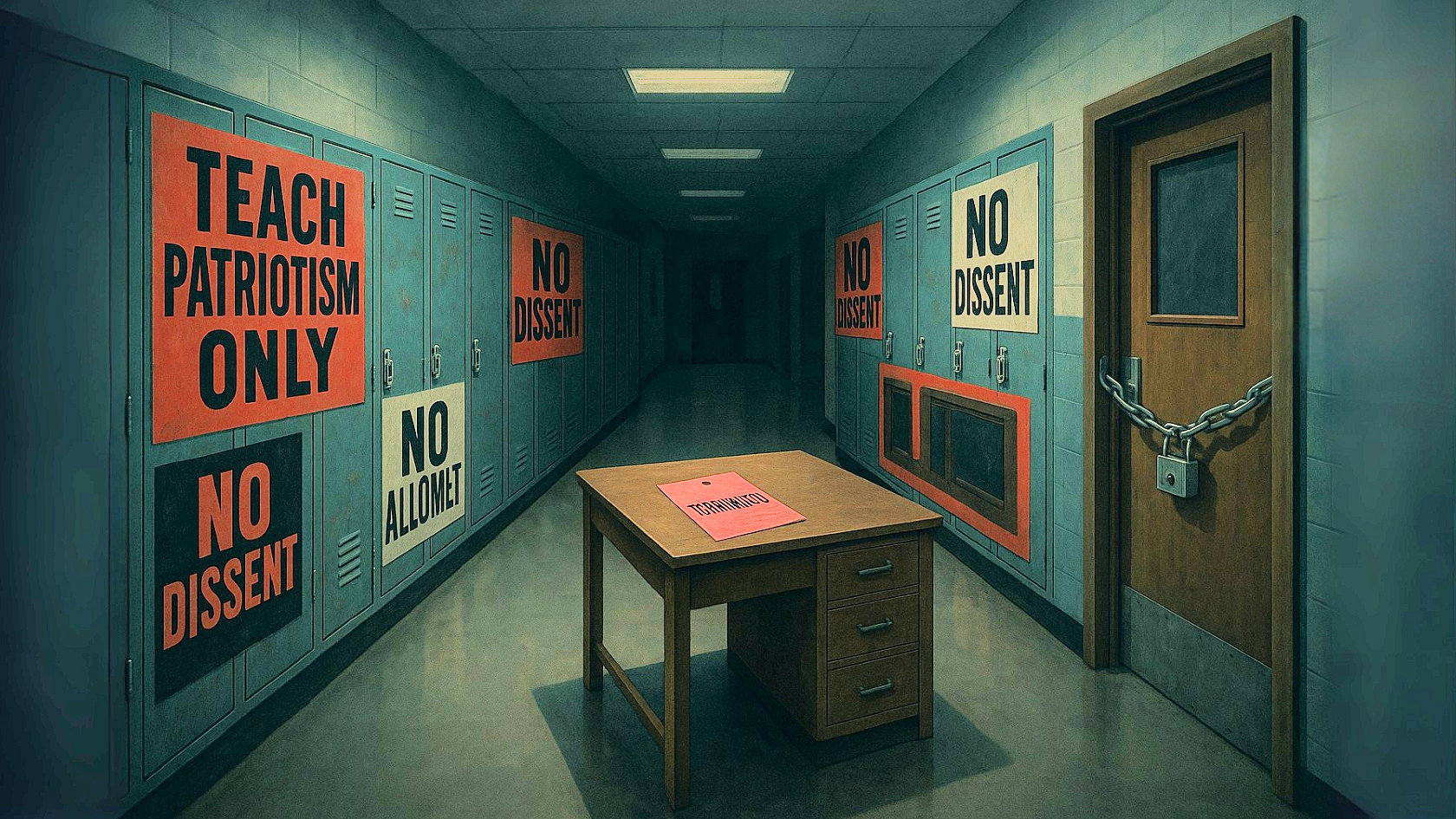
 Project 2025 isn’t about restoring America—it’s about dominion. The aim is a church-state hybrid where political authority is sanctified and dissent is treated as heresy.