 Heather Cox Richardson’s August reports show how Project 2025 lays the groundwork for authoritarianism: purge experts, dismantle civil protections, and repopulate agencies with loyalists. It’s not just about changing policy—it’s about institutionalizing obedience.
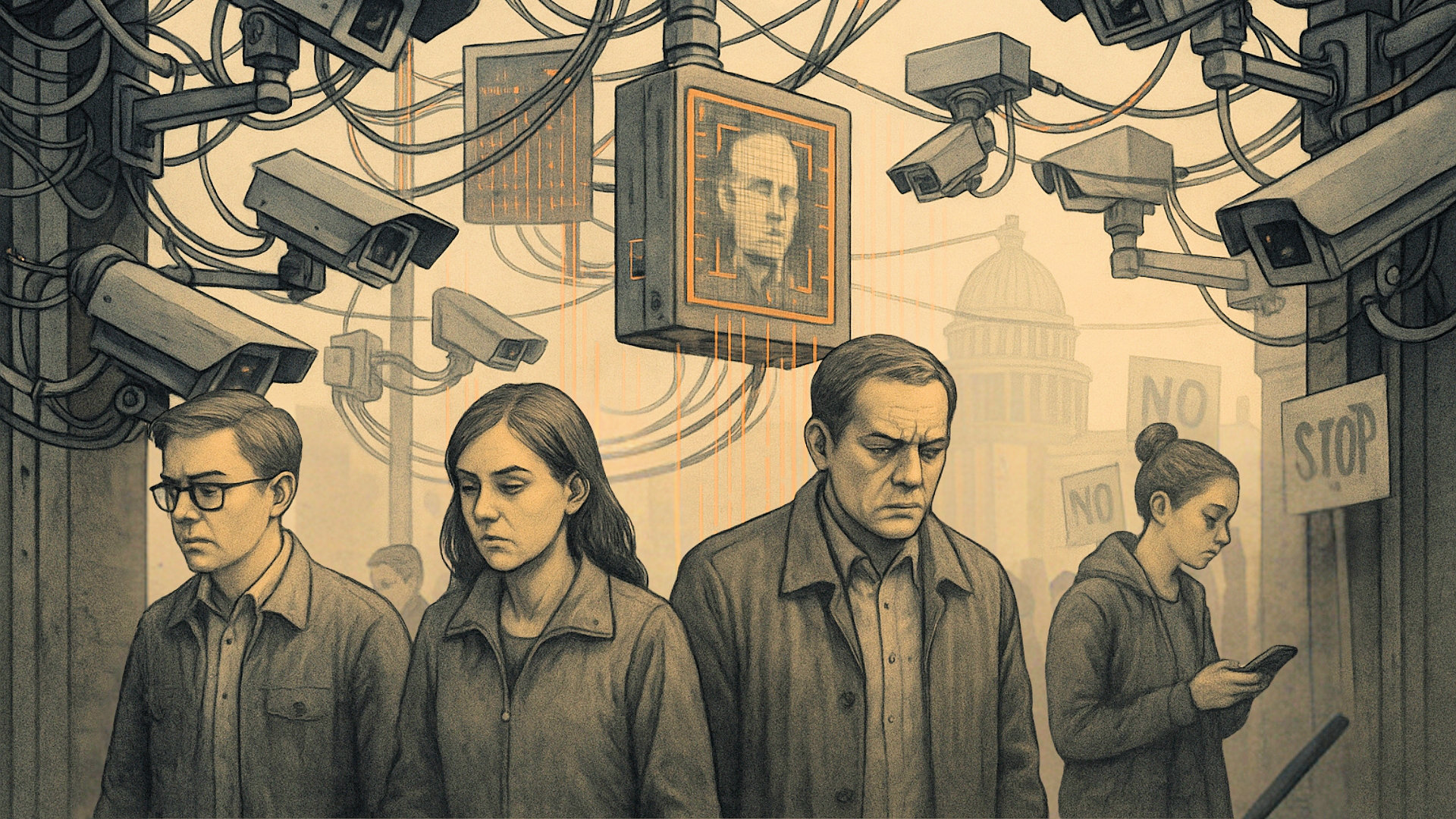
Beneath the headlines is a deeper shift: the expansion of surveillance. State legislatures and federal allies are building systems that track protest, dissent, and digital behavior—often under the guise of public safety.
Fusion centers. License plate scanners. AI-assisted “threat” detection. These aren’t limited to criminal investigations. Teachers have been flagged for social media posts. Abortion-seekers tracked through location data. Protestors monitored by facial recognition software run by barely regulated contractors.
Remove civil service protections, and those tools can be turned on anyone who speaks out. The message is clear: fall in line or be profiled.
Richardson points to the firing of the labor commissioner—a career statistician removed for publishing inconvenient numbers—as a warning. Today it’s labor data. Tomorrow it’s climate models, vaccine research, civil rights analysis. And all of it wrapped in euphemisms like “streamlining” and “restoring trust.”
Surveillance plus secrecy, combined with the removal of independent oversight, doesn’t renew democracy. It prepares something post-democratic.
The infrastructure is already here. It doesn’t require building a new state—just reprogramming the one we have. A new executive order, a broader definition of “domestic threat,” and the machinery runs under new rules.
The only defense is to reinforce procedural safeguards now—inside agencies, in the courts, in unions, even in software design. Protest and policy mean little if dissent itself becomes data for the targeting system.
They’ve shown us the blueprint. The breach points are visible. Whether the firewall holds is up to us.