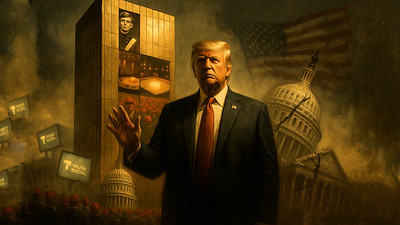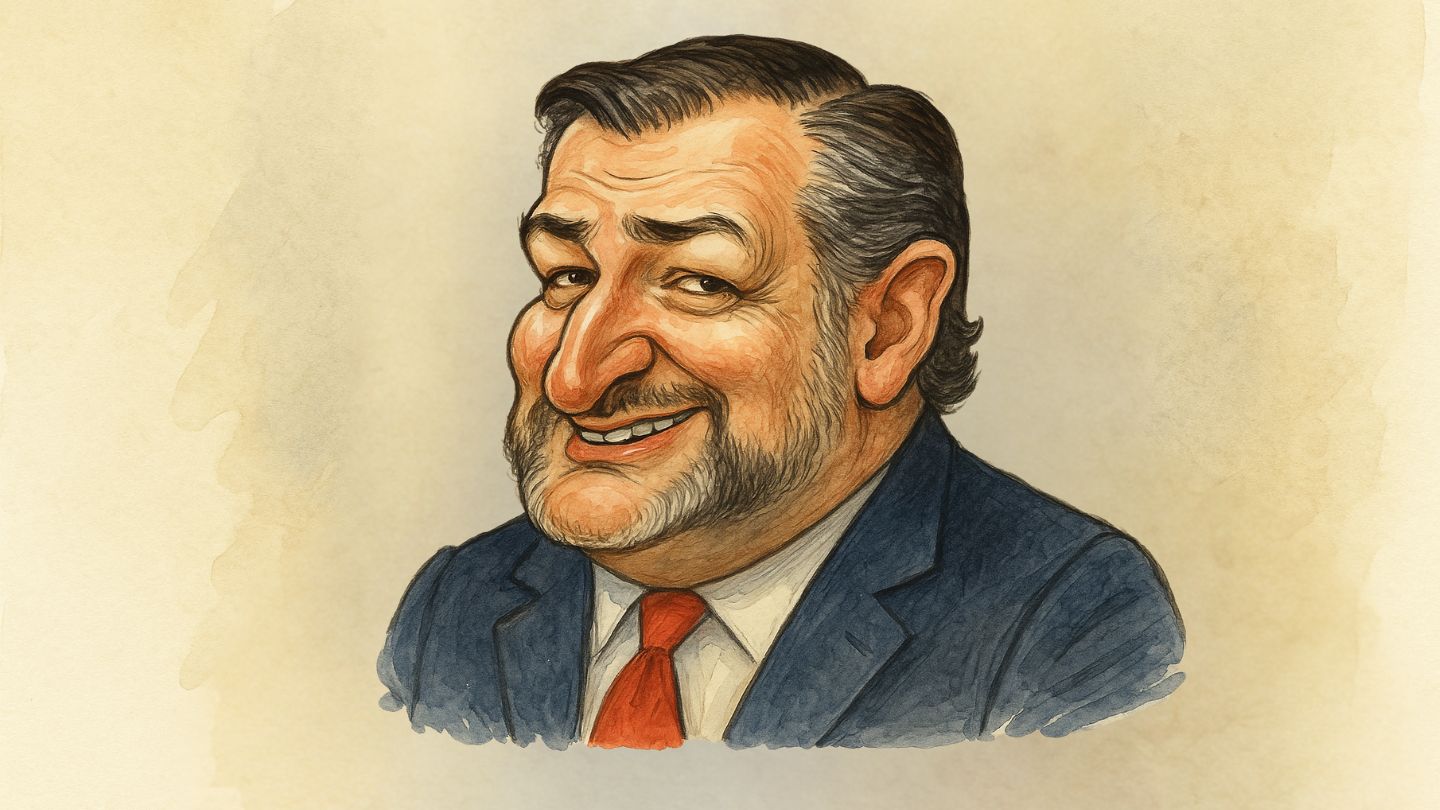
Cruz Control: A Masterclass in Cynicism

Ted Cruz is not the face of conservative rebellion. He’s its architect. Cold, fluent, and unsentimental, Cruz has refined the art of cloaking authoritarian ambition in legal precision. He turns policy into performance, and performance into power.

He is brilliant—but brilliance without integrity becomes a weapon. From his early clerkships to Senate obstructionism, from tax giveaways to his podcast theatrics, Cruz has used every credential not to serve but to dominate. The Constitution is his canvas—but what he paints are walls, not bridges.

He doesn’t fear backlash. He feeds on it. He doesn’t seek truth. He sculpts it. What’s dangerous about Cruz isn’t that he’s extreme. It’s that he knows exactly what he’s doing—and he does it anyway.

He is what happens when ambition meets ideology and sheds every moral restraint.

He doesn’t want to fix anything. He wants to be seen trying. Loudly. Endlessly. The man is a walking podcast ad for performative cruelty.

And we’ve let him stay this long because he wears the mask well.
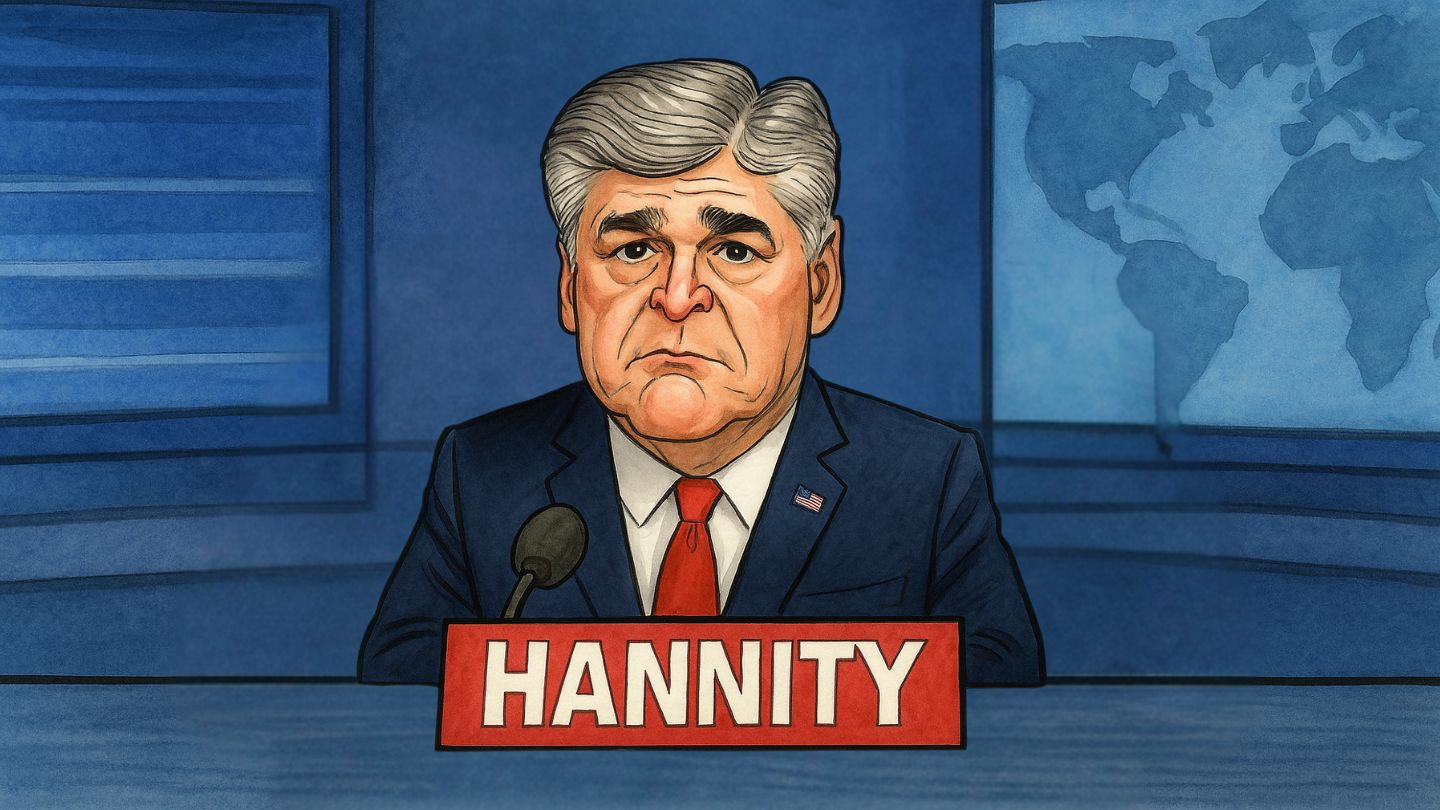
The Anchor That Drowned the Truth

There was a time when media served as a watchdog. Sean Hannity became the lapdog—well-fed, well-paid, and strategically placed to bark on cue.

He wasn’t just a loyalist. He was the loudest one. He knew the election fraud claims were lies. He admitted it. But still he broadcast them, night after night, not as truth but as tactic. That’s not bias. That’s fraud by another name.

He acts like he’s just “one of the guys,” but this guy has a $90 million real estate empire and a direct line to the would-be dictator. He’s not dumb. He’s just sold out.

Hannity’s influence lies in how efficiently he transformed fear into format. Pandemic? Downplay it. Election loss? Deny it. Conspiracy? Promote it, profit from it, move on.

He helped rewire the Republican base into a feedback loop of outrage and disinformation. And unlike the politicians who rise and fall, Hannity endures—perched behind a desk, draped in patriotism, speaking into the silence left by collapsed trust.

This is not journalism. It is narrative control. And it’s been wildly effective. But history will not be kind to those who knew the truth and chose instead to monetize the lie.


Read more: Hannity, Sean—Mouthpiece turned power broker. Not just Fox News’ most loyal Trumpist, but Trump’s off-the-books communications director. Wields his media perch like a campaign war room—part propaganda, part pressure valve. Shapes MAGA messaging nightly, blurring lines between host, handler, and hatchet man.

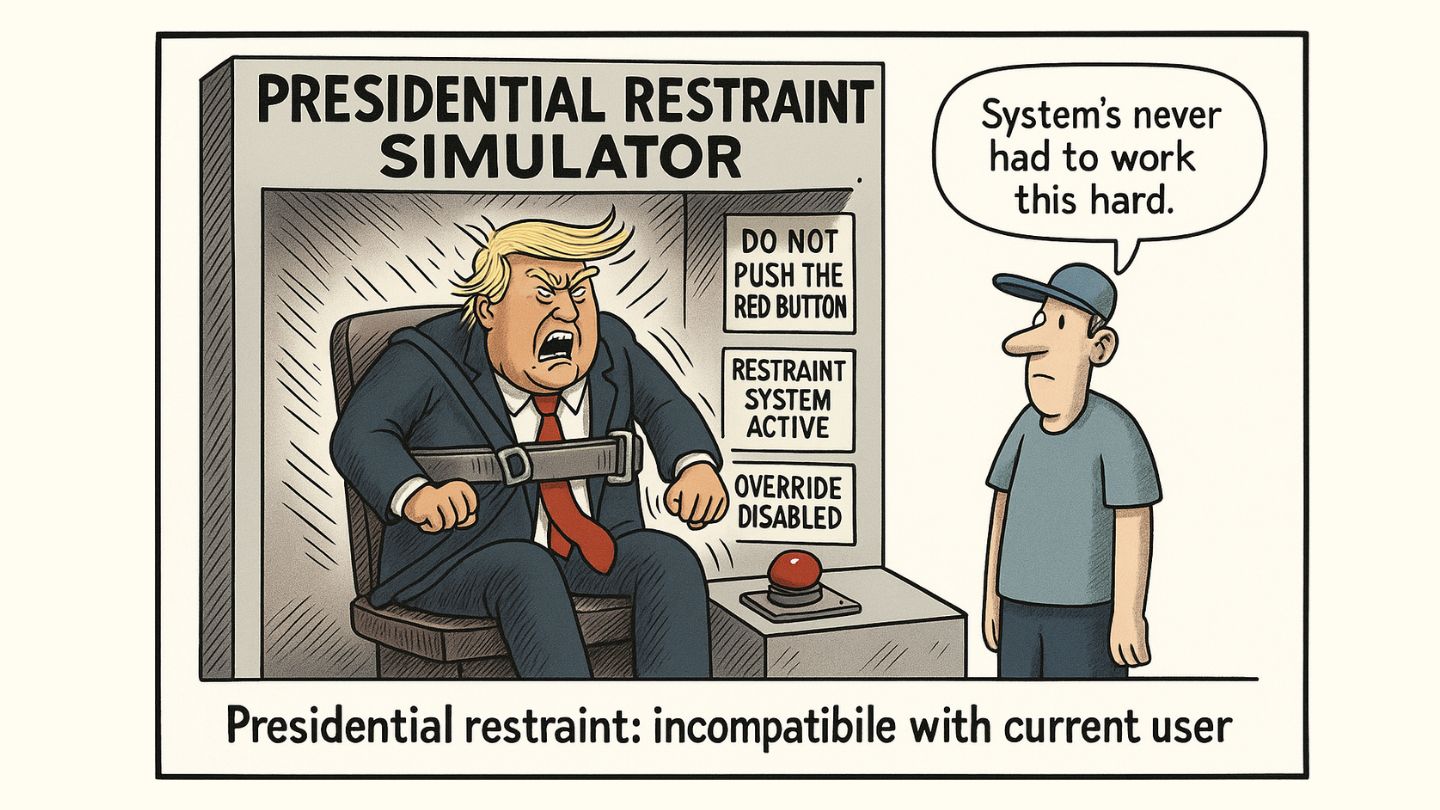
Power Without Pause: The Danger of a President Without Restraint

Words That Don’t Fit Trump #4: Restraint

There are traits we should demand from any president—vision, judgment, courage. But none matters more than restraint. Because without it, the rest become weapons.
Donald Trump does not believe in restraint. He sees it not as wisdom, but weakness. And in his second term, we are no longer speculating about what he might do without it. We are living it.

He’s not bound by shame, law, protocol, or decorum—and his followers adore him for it. Restraint, in their eyes, is what held America back. Restraint is the leash liberals clipped onto God, guns, whiteness, and masculinity. Trump snapped it. They cheered.

He lashes out at judges. He threatens opponents. He undermines institutions designed to keep him in check—and then brags about breaking them. He does not pause. He does not reflect. He does not weigh consequences.

What he does is act. Immediately. Emotionally. Publicly.

He doesn’t want brakes. He wants boosters. He surrounds himself with enablers, not advisors. Every check is a betrayal; every limit, a personal insult.

And when a man who views restraint as betrayal wields the full authority of the presidency, it isn’t just a matter of political chaos. It’s a matter of national danger. Because history has a clear verdict on those who ruled by impulse.

They do not bring peace.
They bring ruin.

A democracy without restraint isn’t a democracy. It’s a demolition derby. And Trump? He’s behind the wheel, grinning.

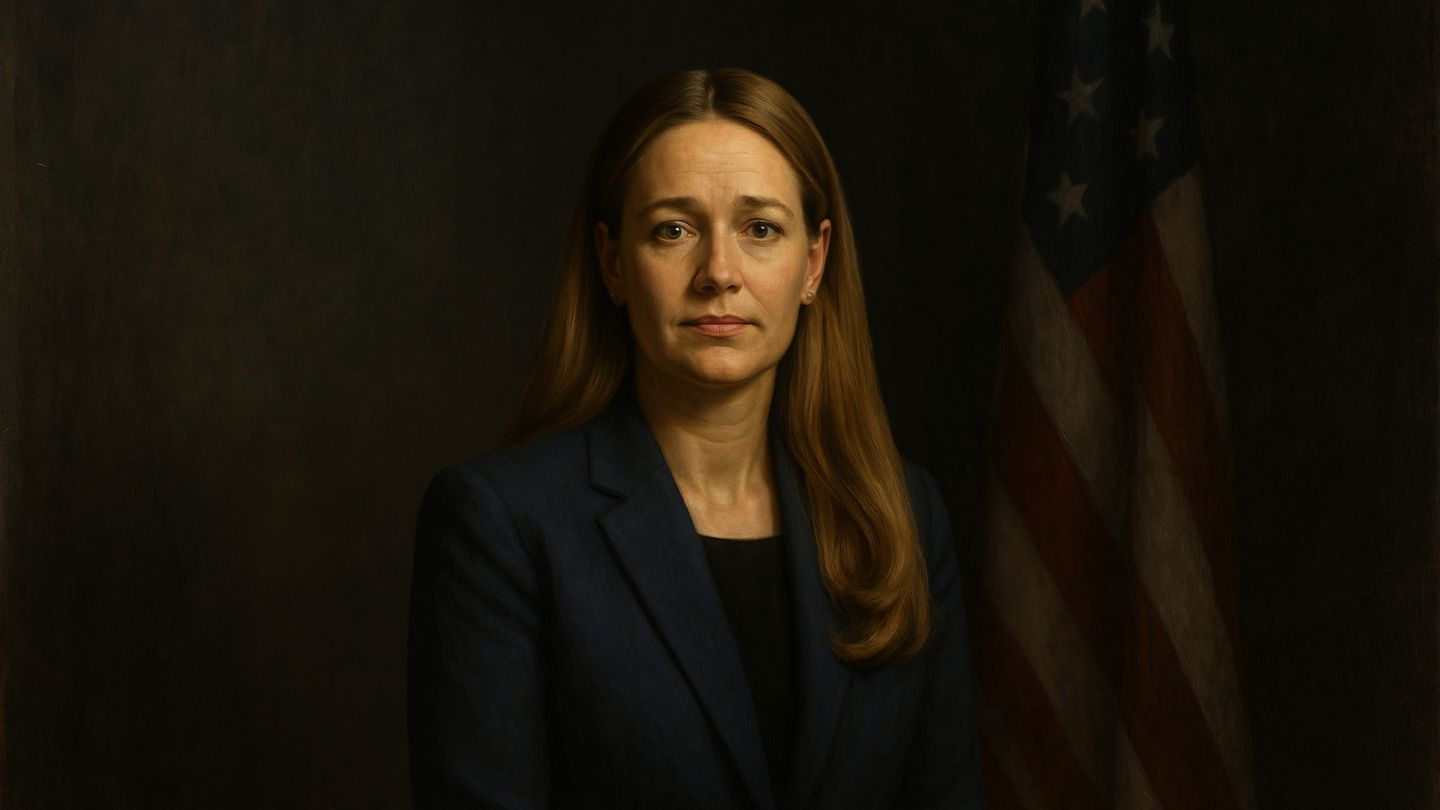
Tricia McLaughlin: The Polished Edge of a Sharpening State

Tricia McLaughlin is the voice behind the podium—but don’t mistake her for background noise. As Assistant Secretary for Public Affairs at DHS, she is the connective tissue between policy and public consent. Her polished briefings mask the mechanics of a government increasingly hostile to dissent and transparency.

Her defense of the CBP self-deportation app rebrands coercion as compassion. Her handling of Senator Padilla’s violent removal reframes suppression as security. Her social media posts don’t just rebut—they signal allegiance to a doctrine where power justifies itself.

This is more than communications. It’s culture-building. McLaughlin isn’t shouting like the firebrands of the last MAGA wave—she’s normalizing, smoothing, and professionalizing authoritarianism. She knows exactly what she’s doing. She isn’t freelancing. She’s reinforcing the narrative architecture of an administration that wants obedience, not questions.

When propaganda dresses in professionalism, it becomes harder to detect—and harder to resist. McLaughlin’s rise is a warning: in 2025, the most dangerous operators aren’t the ones breaking the rules. They’re the ones rewriting the script, with cameras rolling and credentials in hand.


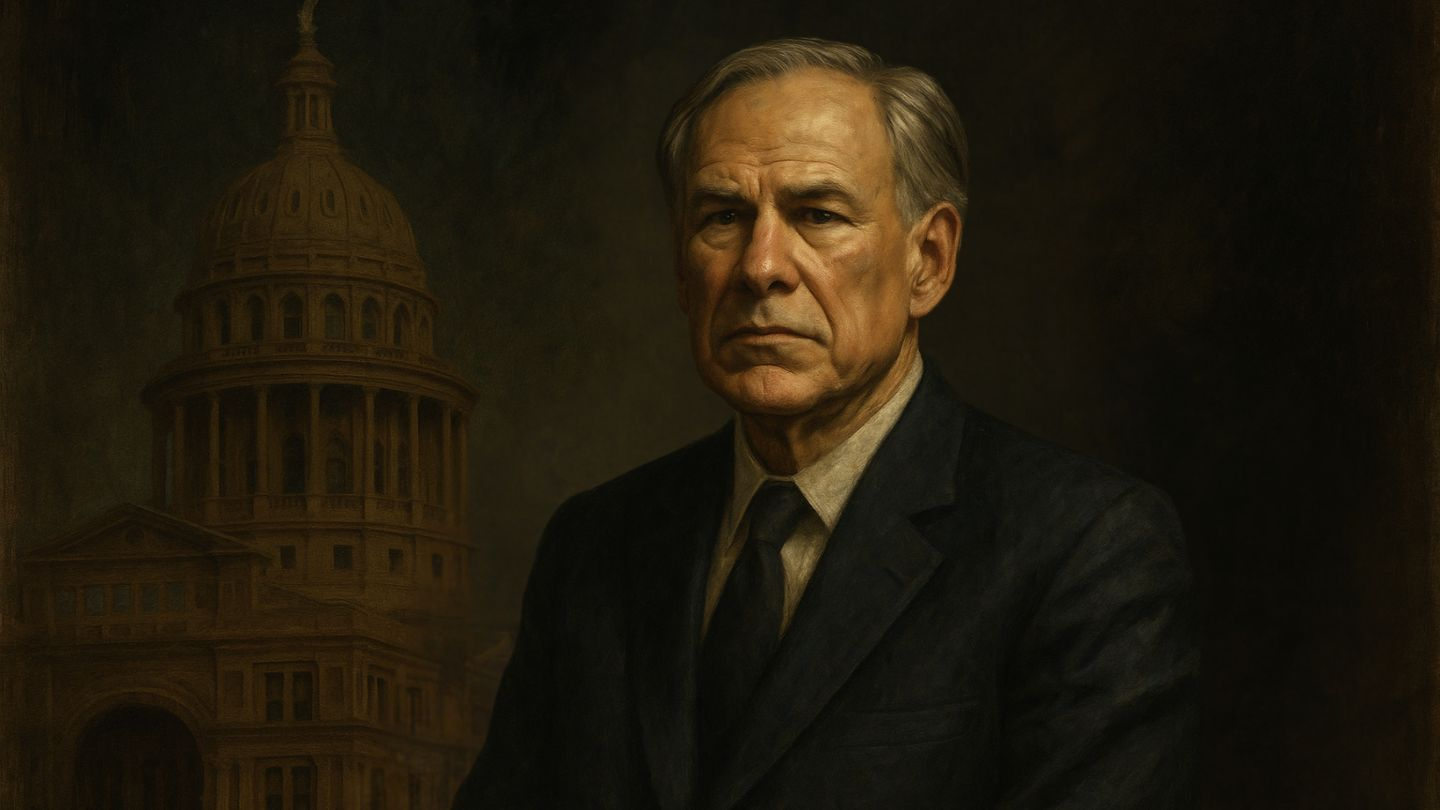
Gregg Abbott and the Price of Performative Power

Everything’s Bigger in Texas—Including Excuses

Greg Abbott has spent years casting himself as a national model—a law-and-order leader, business magnet, and champion of liberty. But look closely, and every so-called success comes at a cost few Texans can afford.

He touts economic growth while manufacturing jobs disappear and wages stagnate. He praises school funding increases that come only after years of sabotage and ideological warfare over vouchers.

His border campaign drains billions from state coffers, burdening local governments while producing more headlines than results. Social services take the hit—hospitals close, prisons overflow, and communities are left to clean up the mess.

Meanwhile, civil liberties wither. Abbott’s war on abortion, books, and trans rights has turned Texas into a proving ground for surveillance-state conservatism. A proposed THC ban threatens veterans and cancer patients—not because of science, but because culture wars sell.

The cruelty is deliberate—and contagious. Chaos becomes the branding, and exhaustion becomes the strategy. Keep people tired enough, distracted enough, and they won’t fight back.

Even the infrastructure crumbles. The power grid failed once catastrophically and remains fragile. Summer heat and winter storms keep testing a system built for deregulated profit, not public safety.

Abbott governs like a man performing strength. But performance doesn’t keep the lights on, fund schools, or heal the sick. Texans deserve better than a photo-op administration.

They deserve leadership rooted in truth, not stagecraft.


Greg Abbott—Three-term Texas governor who has expanded executive power through aggressive culture-war policies, voting restrictions, and border militarization. A close Trump ally, Abbott has defunded public institutions to force political concessions, targeted trans youth and reproductive rights, and pushed laws reshaping education and civil liberties—all while courting corporate donors and national influence.

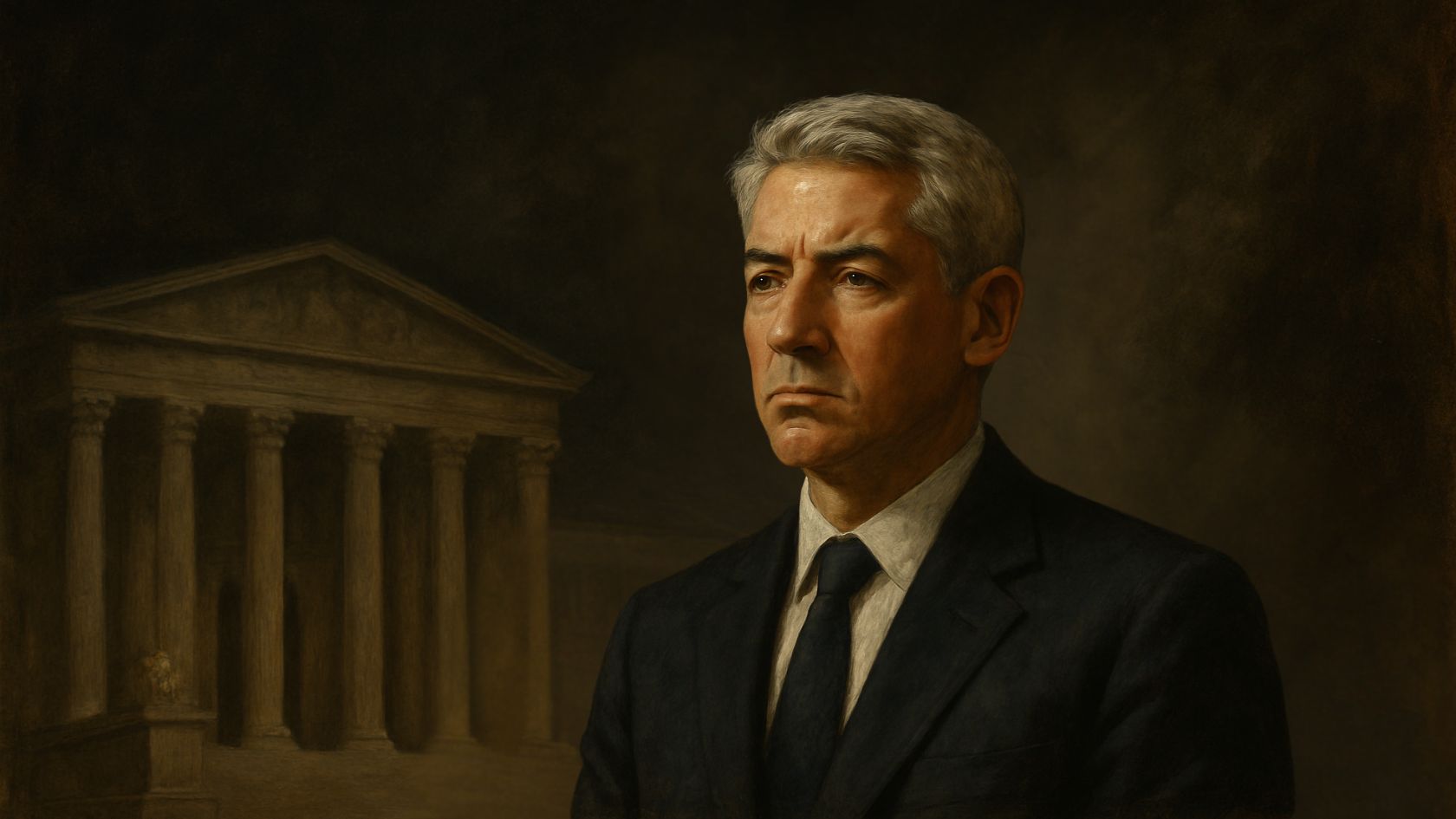
Bill Ackman: Market Maven, Policy Player, Democratic Stress-Test

Bill Ackman isn’t a celebrity CEO or a media tycoon. He’s something more dangerous: a billionaire who operates quietly but effectively at the intersection of money, politics, and public perception. Ackman’s strategy has always been the same: use capital to move outcomes. He now does the same with ideas, tweeting policy arguments and political endorsements to over a million followers on X, knowing markets and institutions listen.

As founder of Pershing Square Capital Management, Ackman made his fortune with high-risk financial bets—and now uses that fortune to shape institutions, influence elections, and redefine the boundaries of civic engagement.

Most Americans don’t know his name. But that hasn’t stopped him from reshaping Harvard’s leadership, tilting policy debates, and publicly endorsing Donald Trump after years of supporting Democrats. His X feed reads like a cross between a hedge fund memo and a political campaign, where markets, ideology, and ego blur together.

Ackman’s power isn’t in office—it’s in outcome. Whether it’s advocating for privatizing federal mortgage giants (where he holds massive stakes), or weighing in on university antisemitism policies, he treats politics the same way he treats stocks: as positions to leverage, not ideals to uphold.

That’s what makes him emblematic of a larger crisis. When wealth becomes a substitute for democratic process—when billionaires influence national decisions more than voters—our republic turns speculative. Ackman isn’t the cause. He’s the bellwether.

And until we confront the structures that make his influence both legal and effective, the house will always win.

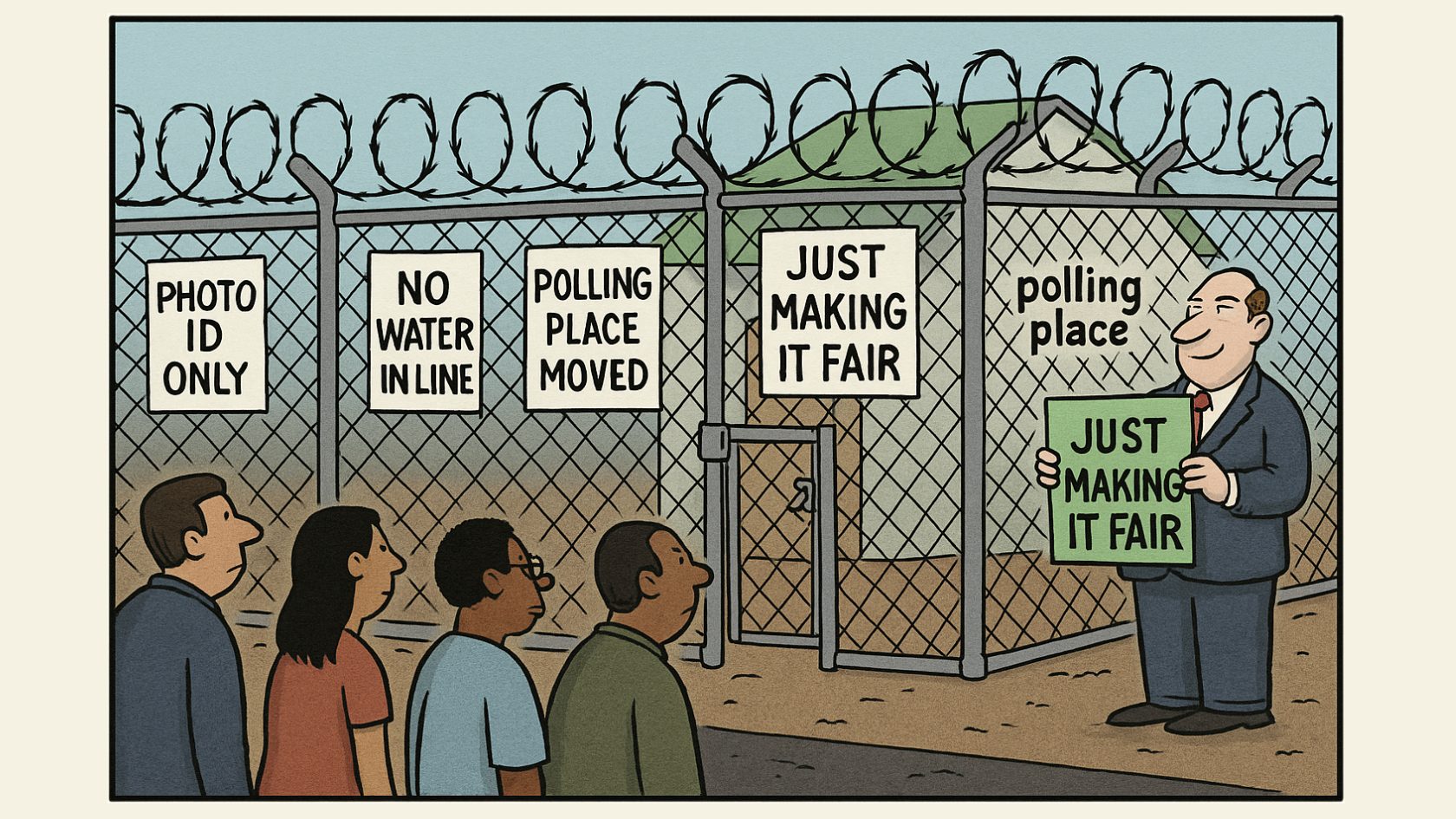
They’re Not Securing Democracy. They’re Fencing It Off.

The facts are hard to argue—and harder to ignore.

When laws make it harder for poor, young, and nonwhite citizens to vote, that’s not election integrity. That’s obstruction.

When voting maps are drawn to minimize certain voters’ influence, that’s not representation. That’s manipulation.

And when party leaders say aloud that more participation means fewer victories for them, that’s not speculation. That’s strategy.

This isn’t an isolated trend—it’s a coordinated pattern. Across states and years, the same tactics surface: purge the rolls, limit the ballots, redraw the lines, criminalize the help, and call it fairness.

But fairness doesn’t fear the electorate.
And power that survives only by shrinking the vote isn’t power earned—it’s power hoarded.

A system that trusts the people doesn’t need fences.
Only those who fear democracy feel the need to lock it down.


More information: Examining the Claim That Republicans Don’t Trust the Voters, developed by Grok

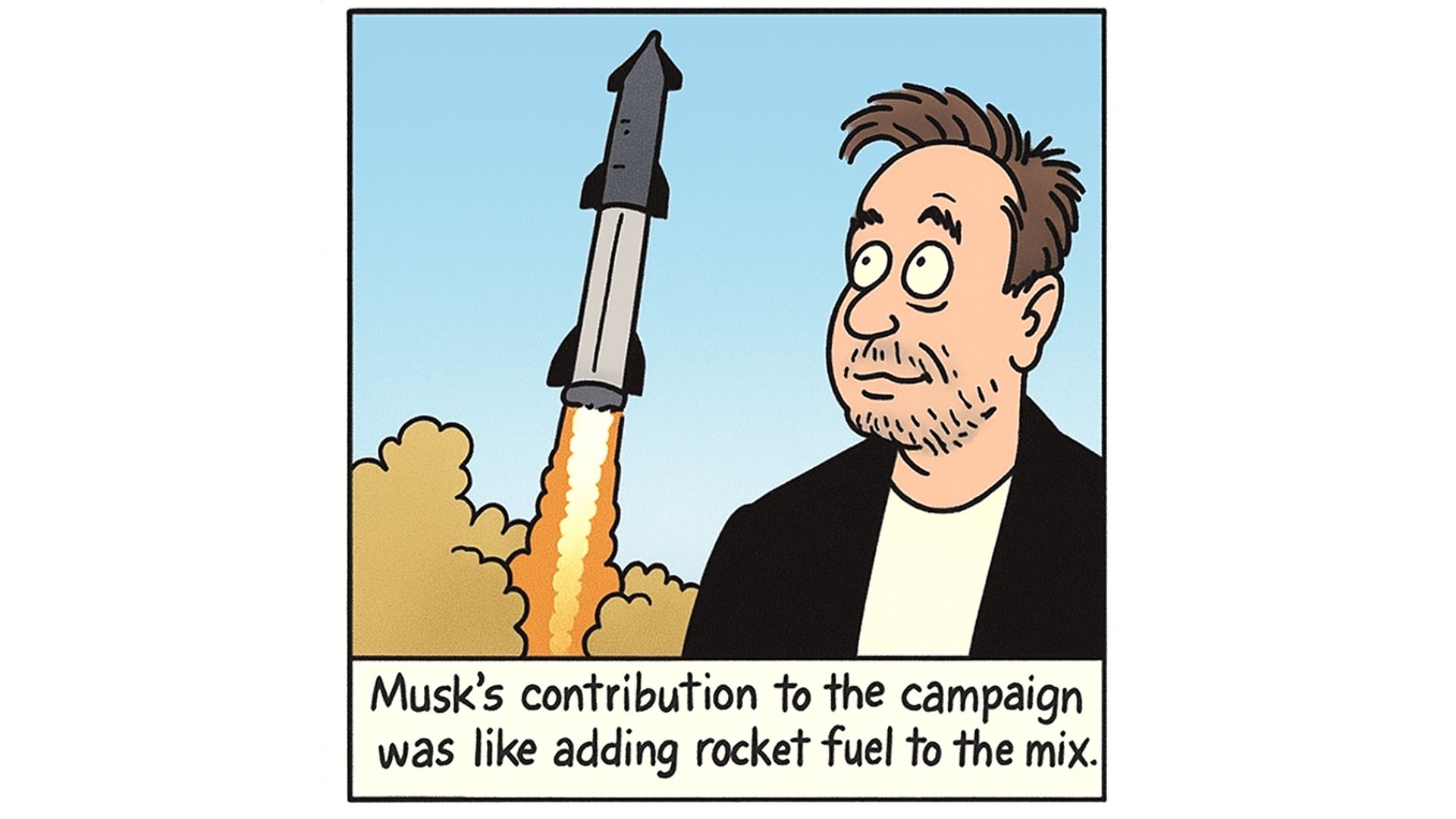
He Wasn’t the Reason Trump Won. He Was the Rocket Fuel.

Saying Elon Musk got Trump elected in 2024 is like saying gasoline caused the fire—it’s not wrong, but it’s not the whole story.

Musk poured more than $250 million into Trump’s campaign effort. He weaponized a social media platform to amplify propaganda. He turned civic engagement into a sweepstakes. And he walked the rally circuit in a MAGA hat like it was Comic-Con.

But even with all that, Trump didn’t win because of Musk. He won because of a manipulated perception—crafted and repeated until it stuck—that the economy was in shambles, that the border was overrun, that the nation was weak. It wasn’t. But the feeling of collapse was sold, retweeted, memed, and monetized—until millions voted like it was true.

Musk helped engineer that feeling. He didn’t shift facts—he shifted frameworks. He made fear viral.

He matters—because money and reach matter. But reducing a national election to the ego-fueled influence of one man is as lazy as it is dangerous.

The deeper story is still about the electorate—and the disinformation ecosystem that turned public sentiment into a weapon. Musk didn’t forge the blade. He sharpened it.


More detail: Examining the Claim That Trump Was Elected Due to Musk’s Support in 2024—a report generated using Grok AI.

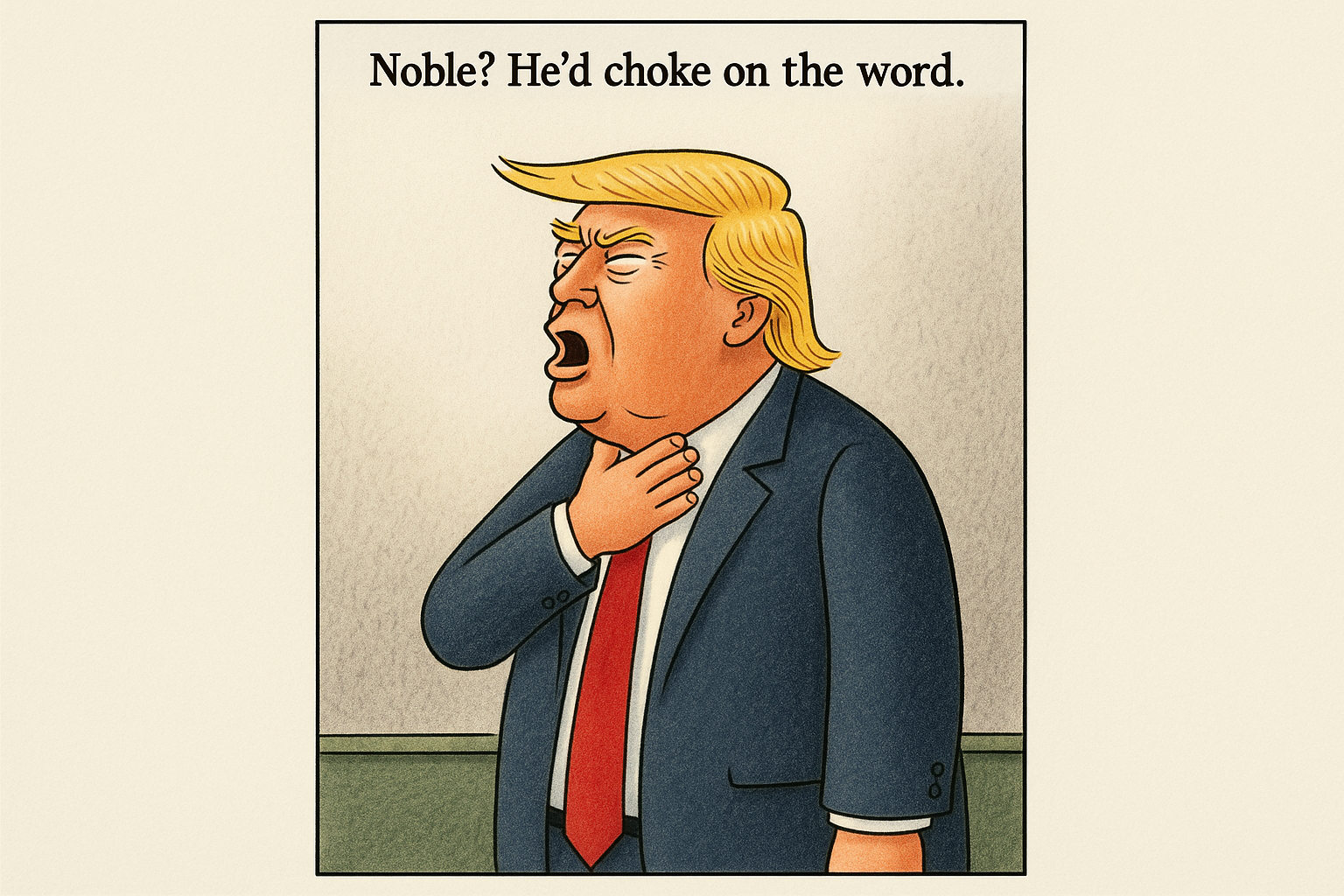
Noble? He’d Choke on the Word.

Words That Don’t Fit Trump #2: Noble

Trump’s allergic to nobility. It implies something he’s never had: a cause bigger than himself.

He loves flags, sure—as props. Loves troops—as backdrops. Loves America—when it claps for him. But ask him to serve without ego? Ask him to shut up and listen? Ask him to show an ounce of grace?

Forget it.

He treats nobility like it’s some antique relic—nice to look at, useless in a fight. But here’s the truth: we need nobility. Especially now. We need people who lead with honor, not hashtags. Who risk something real.

He never will. Because deep down, he knows—nobility would bury him.

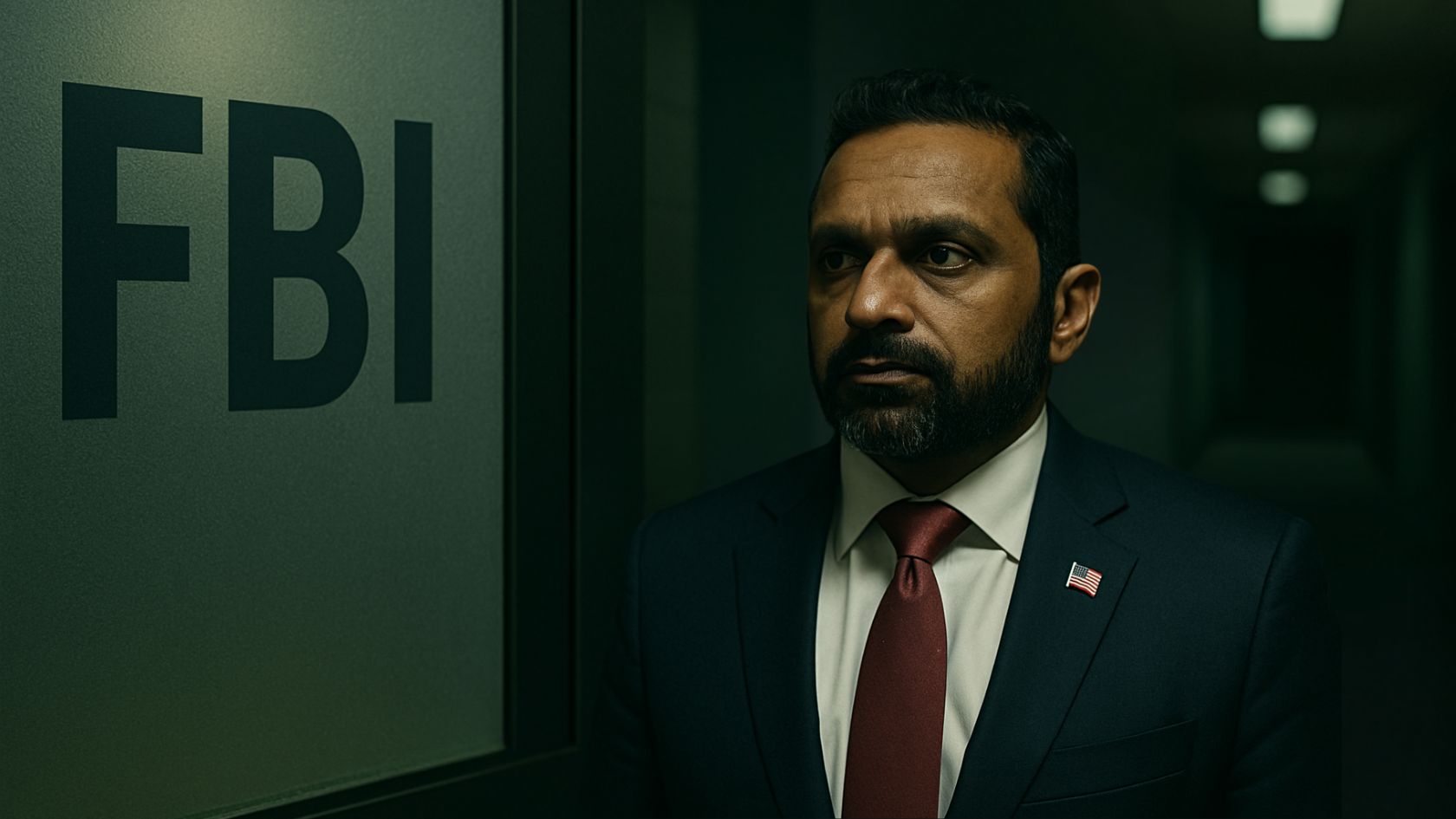
The Loyalty Test Has a Badge Now

Kash Patel didn’t stumble into power. He was engineered for it.

From the moment he ghostwrote the Nunes memo, Patel has treated truth as an obstacle, not a standard. His entire career has been about selectively exposing “bias” while embedding his own deeper within the system. And now, with the full force of federal law behind him, the consequences are not theoretical.

They are structural.

The FBI under Patel is a machine repurposed—not for justice, but for surveillance of dissent. Internal firings masked as security reforms. Loyalty litmus tests disguised as anti-leak policies. A director who promotes conspiracy, then demands obedience.

This isn’t about intelligence. It’s about allegiance.

When truth becomes a security threat, and independent thought is treated as espionage, we are not just watching the erosion of institutions. We are living through the weaponization of every lever inside them.

Patel’s appointment isn’t an outlier. It’s the blueprint.


More:

Patel, Kashyap “Kash”—Former National Security Council staffer, ex-Deputy Director of National Intelligence, and staunch Trump loyalist. Known for promoting conspiracy theories, undermining intelligence agencies, and playing a key role in efforts to discredit the Russia investigation. Now back in power with sweeping national security oversight in the Trump 2.0 administration.