Third Country, No Rights: The Deportation Trap

While bombs fell abroad, rights vanished at home.
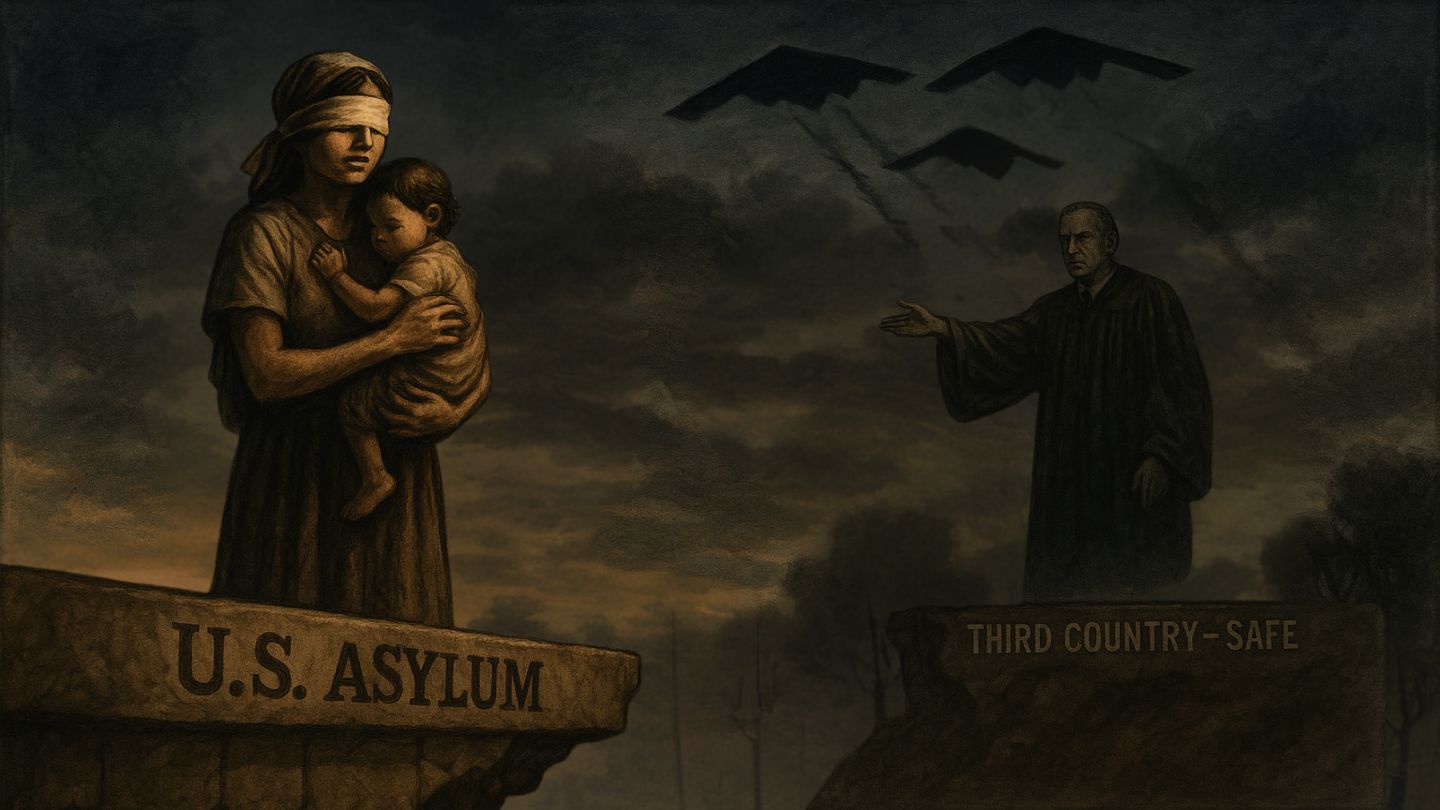
As missiles flew over the Middle East and headlines drowned in war optics, the Supreme Court quietly handed the Trump administration a tool it’s long coveted: the power to deport migrants to so-called ‘third countries’—without meaningful regard for their safety.

In a 6–3 decision that slid beneath the radar during the Iran escalation, the conservative majority ruled in favor of a Trump-aligned policy allowing migrants to be deported to countries they never came from—and may have never even entered—if the administration designates them as a “safe third country.”

Let’s break down what that means:
If you flee cartel violence in Honduras, escape extortion in Guatemala, or survive gang-rape in El Salvador, but pass through Nicaragua or Mexico to reach safety, the U.S. can now deport you to… any of those transit countries. No family, no network, no protection—and in many cases, no functioning asylum system.

The kicker? Those deported may be at even greater risk in these “third” countries than they were in their home nations. Human rights groups have documented countless cases of kidnapping, assault, and death following forced returns under these agreements. But the Court’s ruling doesn’t require the U.S. to verify that deportees will be safe. It only requires that the destination country say it’s safe.

This isn’t policy. It’s legal fiction.

Violence Abroad, Cruelty at Home
It’s no coincidence that this ruling landed as Trump basked in the glow of military escalation against Iran. Distraction breeds opportunity—and the Court, now stacked with ideologues who see immigration as a threat, seized its moment.

Just days after B-2 bombers dropped payloads over Iranian infrastructure, the legal infrastructure of U.S. asylum law was being gutted. These moves share more than timing—they share a worldview:

America’s power is preserved by making others expendable.

Whether that means foreign civilians in Tehran or asylum seekers in Tapachula, the logic is the same: certain lives are politically disposable. That’s the unifying ethos of Republican dominance today—military might abroad, and dehumanization at the border.

The Court as Quiet Collaborator
What’s especially chilling is how quietly this happened. No press conference. No Oval Office bragging. No campaign rally soundbite. Just six men in robes—five appointed by Republican presidents—redefining human rights with the stroke of a pen.

Legal scholars warned this was coming. The Trump movement’s grip on immigration policy didn’t end in January 2021—it burrowed deep into the judiciary. The Supreme Court is now the ultimate executor of that vision. They don’t need cages or border walls. They have precedent.

And that precedent is clear:
You don’t need to be safe. You just need to be gone.

Who’s Next?
This ruling doesn’t just endanger Central Americans. It opens the door to a global deportation regime that could affect climate refugees, LGBTQ+ asylum seekers, political dissidents, and survivors of gender-based violence.

If the U.S. deems a third country “safe,” even symbolically, your life story no longer matters.
Neither do your bruises.
Your testimony.
Or your terror.

It’s not about justice anymore—it’s about removal. Fast, final, and far away.

What Now?
This decision is already reshaping deportation cases. Immigration attorneys report judges referencing the ruling to justify removals with little inquiry. DHS has signaled enthusiasm for expanding third-country agreements with regimes that can barely protect their own citizens, let alone ours.

But resistance is still possible. Advocacy groups are mounting legal challenges. Faith coalitions are mobilizing sanctuary efforts. And in communities across the country, organizers are reminding neighbors that this isn’t just an immigration issue—it’s a human one.

Because if courts can decide whose life has value in silence, then the only answer is to make noise. Loud, sustained, human noise.

Conclusion
While the media watched bombs fall on Iran, the Supreme Court gave Trumpism a silent victory—one that may outlast the man himself. It didn’t come with shock and awe. It came with robes, rulings, and the routine language of legalese.

But make no mistake:
This is cruelty disguised as law.
This is abandonment repackaged as policy.
And unless it’s challenged, it won’t stop at the border.
 

Reality Bombs: When Fox News Becomes the War Room

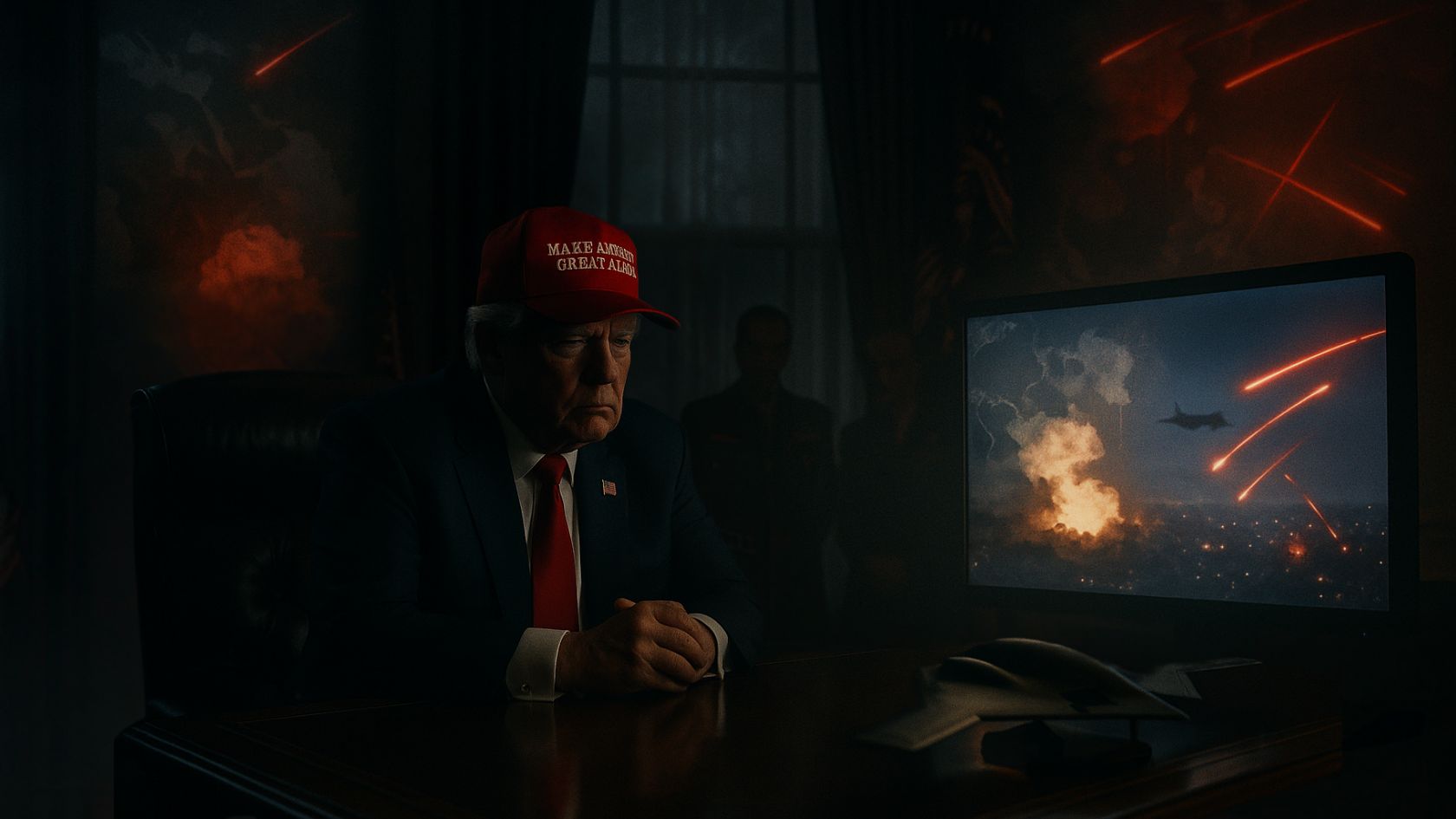
On a Sunday night, Americans watched shock footage of missiles streaking across the Persian sky. But the real detonation had already happened—inside the echo chamber of Fox News, where presidential ego met a hunger for applause.

This wasn’t national defense. It was political theater wrapped in military packaging. The strike on Iran was not a response to imminent danger, nor a move born of calculated strategy. It was a televised performance crafted for a domestic audience—particularly the one with the remote.

The Optics of War

There was no build-up of national debate, no new intelligence revelations, no urgent diplomatic breakdown. Instead, there were leaks. Strategic hints planted in the press. Chatter on cable news. Then came the prime-time spectacle: American missiles launched before the world, wrapped in patriotic graphics and panel commentary.

Right-wing media didn’t just amplify the message—they authored the script. Applause was predictable, coordinated, and ultimately reciprocal. The presidency became a stage, and foreign policy a prop.

Intelligence Ignored

In the aftermath, reporting confirmed that national security experts had raised serious concerns. They warned of escalation. Civilian casualties. Diplomatic backlash. These weren’t hypotheticals—they were documented risks, listed in briefings that were overruled, ignored, or never fully considered.

The decision was fast, opaque, and insulated from dissent. Traditional advisory structures had been gutted, leaving only those who understood the real criteria: optics over outcomes.

What We Didn’t See

Despite the dramatic coverage, there were no verified images of the actual strike. No live feeds. No satellite confirmation. No footage from the bombers. The bulk of the assault reportedly came from B-2 Spirit stealth aircraft—platforms designed to strike from high altitude, silently and invisibly.

Instead, Americans were shown stock footage: missiles launching from unrelated conflicts, glowing red maps, dramatic music beds, and retired generals speculating in front of LED touchscreens. News anchors filled airtime with patriotic filler and unverified claims. There was no evidence—only ambiance.

The strike was real. But the imagery was simulated.

Unchecked Power

The president didn’t ask Congress. He didn’t need to. Decades of erosion—through vague Authorizations for Use of Military Force and a consistently sidelined War Powers Act—have made it possible for a single person to launch military action without real accountability.

And Congress, once again, blinked and looked away.

History Offers a Contrast

Other presidents faced similar pressure and chose another path. During the Cuban Missile Crisis, John F. Kennedy was advised to strike preemptively. He didn’t. Barack Obama was pushed to bomb Syria in response to chemical weapons. He paused, went to Congress, and reconsidered.

The lesson wasn’t that restraint was weakness. It was that leadership means absorbing pressure, not yielding to it. Especially when lives are on the line.

The Aftermath

Iran retaliated. The region edged closer to wider conflict. Markets trembled. Allies raised concerns. But domestically, the short-term goal was achieved: the headlines rolled, the base rallied, and the approval numbers inched upward.

Military analysts expressed concern about precedent. What happens when future decisions are modeled not on intelligence but on audience reaction? What happens when provocation is packaged for entertainment?

Conclusion

This wasn’t strategy. It was spectacle. And while no American caskets came home draped in flags this time, the cost to democratic process was real.

True damage often comes without smoke or sirens. It comes when laws are bent until they break. When accountability becomes optional. When the power to kill is used not as a last resort, but as a prime-time feature.

And in that moment, it wasn’t the generals who set the tone. It was the network.


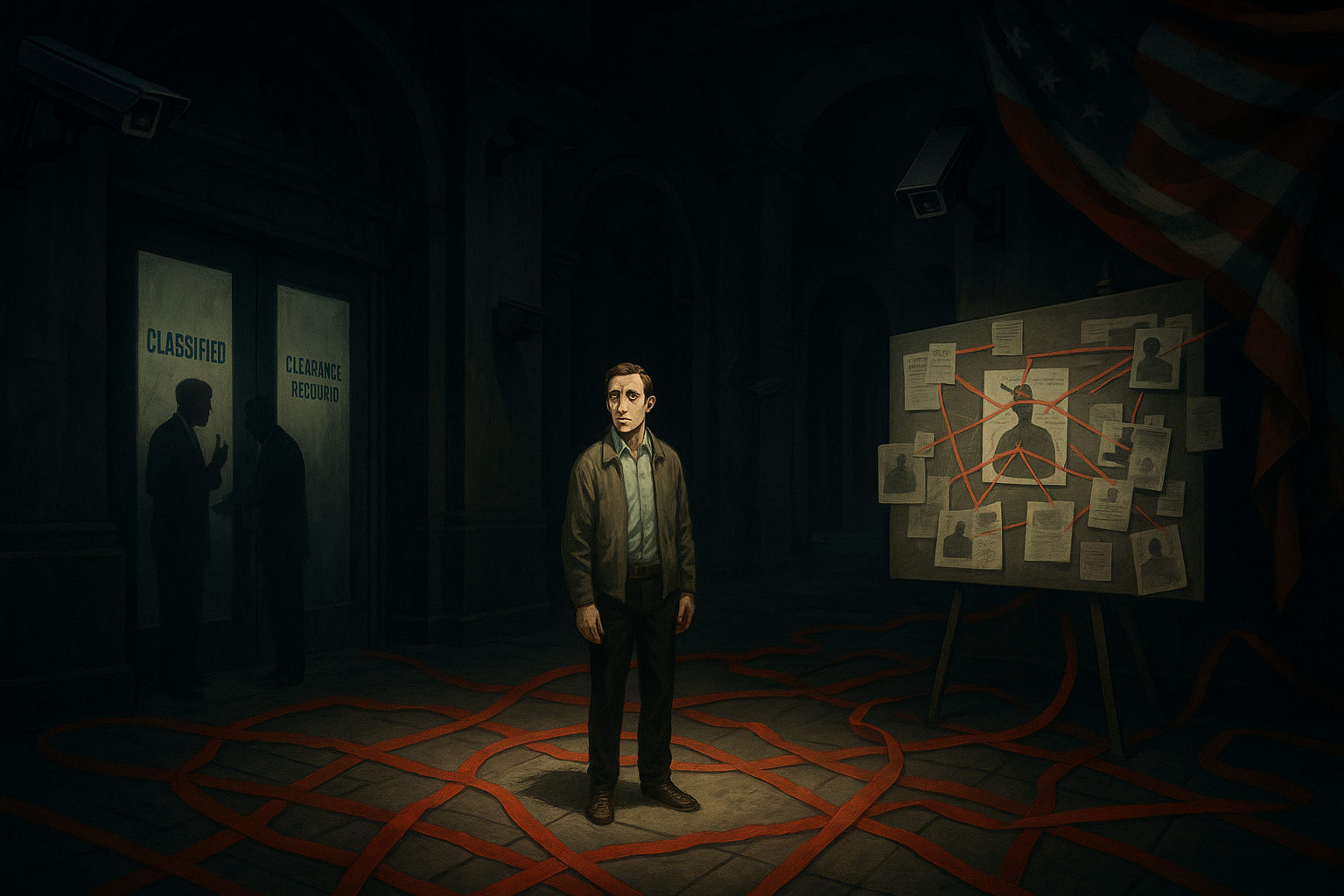
The Deep State Delusion: Inventing Enemies to Justify Control

It starts with a whisper. A shadowy “they” pulling the strings. A quiet suspicion that your vote didn’t matter because someone behind the scenes was always going to decide the outcome. And in that suspicion, fear finds a foothold.

The phrase “Deep State” has become a rallying cry for those who feel alienated by complexity and emboldened by rage. What was once a scholarly term describing post-war Turkish power structures now serves as the scaffolding for an American conspiracy theory—one used not to protect democracy, but to undermine it.

Let’s be clear: there is no secret cabal of bureaucrats sabotaging presidents from smoky backrooms. There are, however, career public servants—data analysts, air traffic controllers, inspectors, veterans’ case workers—who keep this country functioning regardless of who holds office. When they’re labeled enemies, we don’t just lose good workers—we lose stability, institutional knowledge, and trust.

Donald Trump’s return to power didn’t just revive the Deep State narrative; it weaponized it. The reinstatement of Schedule F, the creation of the Department of Government Efficiency, the firing of prosecutors, and the revocation of security clearances weren’t about safeguarding the republic. They were about cleansing it of perceived disloyalty. About transforming government from service to subservience.

That’s not reform. That’s revenge politics wrapped in the language of liberation.

The Deep State myth thrives because it tells people they were cheated by elites. It gives names to nameless frustrations. But more dangerously, it invites them to cheer as civil servants are purged, institutions hollowed, and truth replaced with spectacle. It replaces civic duty with cultic loyalty.

And when that happens, it’s not just democracy that suffers. It’s every household that needs clean water, stable infrastructure, a working post office. Every soldier counting on a functioning VA. Every family that believes government can, at its best, be a tool for collective good.

The real danger isn’t that people believe in a Deep State. It’s that they’ve stopped believing in anything else.

And once belief is gone, all that’s left is power.

Unaccountable. Unchecked. And louder than truth.


Where the Dust Settles Slow

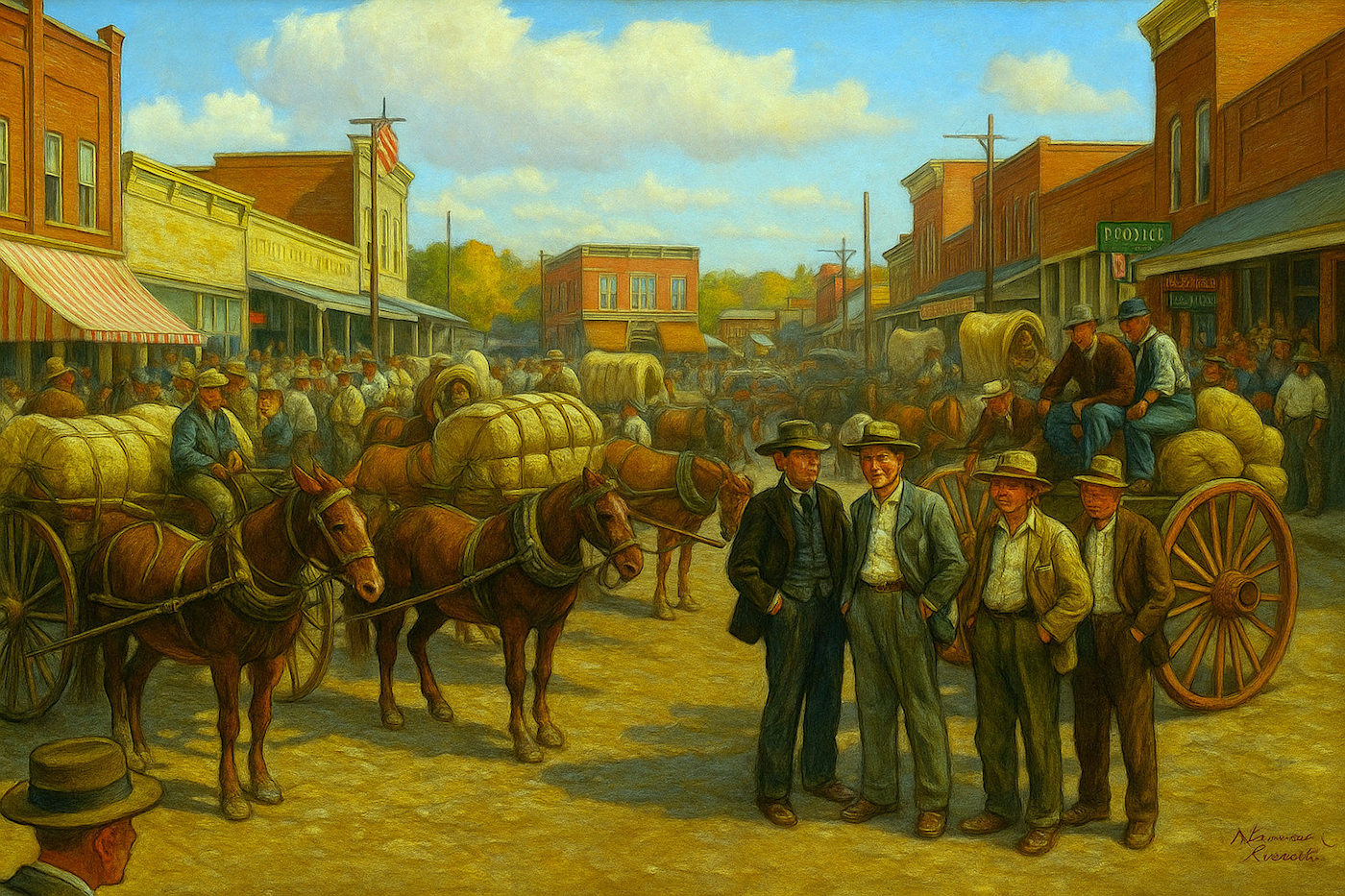
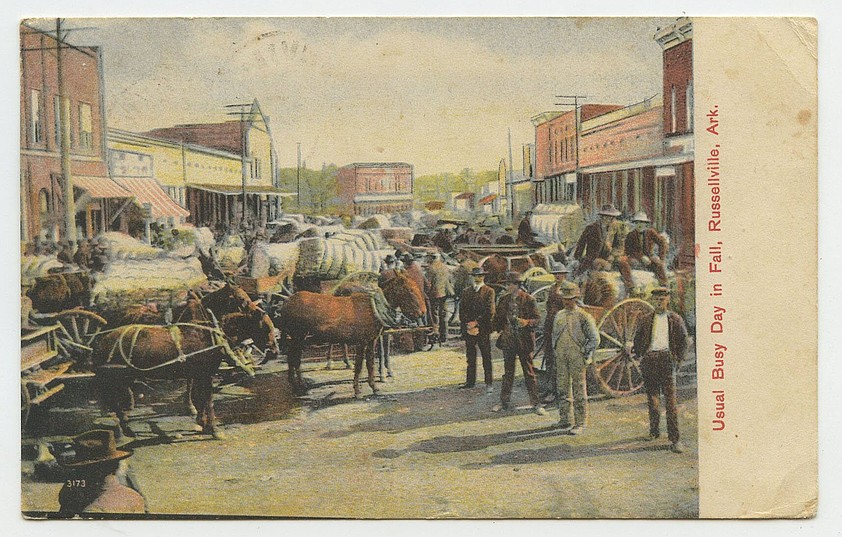
Main Street in Russellville, Arkansas, Fall 1909,
Downtown looking east

You can hear the creak of harness and the soft drag of hooves over packed dirt. Wagons roll in slow from the cotton fields east and south of town—river bottoms mostly, flat and fertile, where cotton takes well to the soil and the season. Some came from the low hills north and west, but not as much. The harvest is in, and it’s time to weigh, sell, settle accounts.

Men in broad hats talk over prices near the gin. The storefronts behind them—brick now, after the fire of ’06—offer dry goods, bolts of cloth, and the rare promise of something modern. Concrete sidewalks instead of warped boardwalks. A streetlamp or two powered by the growing electric grid. It’s the turn of the century, and the town is showing it.

This is Pope County in motion. Farm families brought in by wagon, trade and credit struck on porches and ledgers. Courthouse business one block away, church notices nailed to the post, boys weaving barefoot through the midday crowd. The old rhythms are intact—sun up, wagon in, cotton down, cash if you’re lucky.

You won’t see cotton wagons from Yell County here—not on this street. Their route was different. They crossed the pontoon bridge over the Arkansas River—a marvel in its own right, floating and flexing with the water’s will—and handed their bales over at North Dardanelle. From there, the Dardanelle & Russellville Railroad took over, short but sharp, built back in ’83 to beat the torturous grade between the river and the rail junction. Their cotton rolled in by steel, not mule.

But that steel met these streets. The town buzzed with it. Engines, commerce, movement. Even now, that little railroad still runs.

Yet the image—if you look at it—is too clean. Too quiet. It captures the dignity of work and the pride of place, but not the full weight of who stood where.

If you were Black in Russellville in 1909, your labor might have helped build those sidewalks, gin that cotton, or clear the brush behind some merchant’s house. But your presence on Main Street was careful, restricted, and often unwelcome. Pope County was no exception to the laws and customs that made white supremacy the rule, not the exception. A glance, a misstep, or simply walking where someone thought you shouldn’t could end in arrest—or worse.

And if you were a woman, you were likely still on the homestead, seeing to the rest of the harvest or tending what couldn’t be left behind. Maybe you’d come to town later in the week to sell eggs, buy cloth, or trade gossip across the porch rail of someone’s store. But you wouldn’t be counted in the day’s ledgers. Not directly. Your work was real, necessary, and invisible.

Still, it was a proud moment for the town. Russellville was rebuilding itself—laying brick on brick, attracting a new state agricultural school, staking a claim on the future. The courthouse stood firm, no dome, but full of civic weight. Rumors of telephones, streetcars, new schoolhouses buzzed through the barber chairs and feed stores.

And yet the pace of life said otherwise. The dust settled slow. Deals weren’t rushed. Children chased each other through the same alleys their fathers did. The progress was real—but so were the limits of its reach.

That’s what the image captures if you know how to look: a town not frozen in time, but balancing on it. A moment when harvest and hope hung in the same air. When the wagons pulled away lighter, but the people carried a little more forward.

Russellville was becoming something then. And it still is.

But we ought to remember what came before—truthfully, fully, and without trimming the edges to fit a prettier frame.

Some think this was a time when America was great. For some, it was. For many, life was hard.


The post and the image were generated using ChatGPT.  Read more at Life in Russellville, Arkansas – Fall 1909.

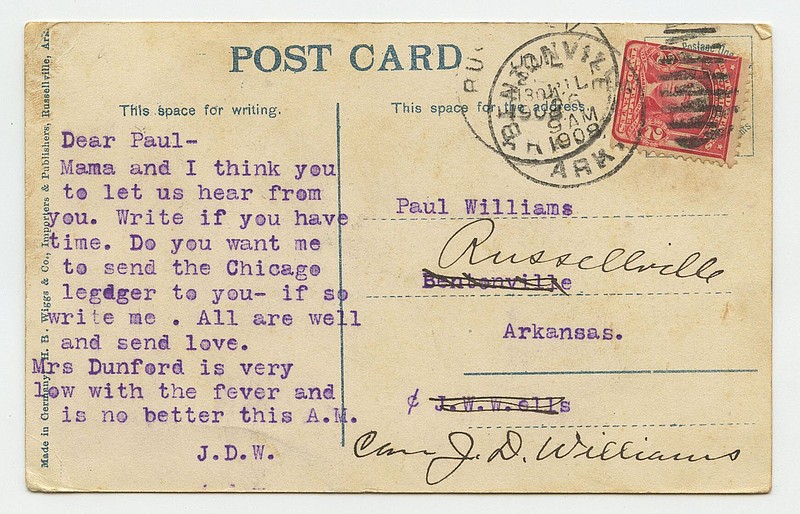
The postcard that inspired this was published on June 20, 2025, in the NWA Arkansas Democrat Gazette, titled: Arkansas Postcard Past: Russellville in 1909


The Past, Reimagined Like Rockwell #16
Is This the “Again?” #10


About “Again”
Each image in this series confronts the myth behind “Make America Great Again.” By adopting Norman Rockwell’s nostalgic style but inserting America’s excluded truths, the series asks: When was it great? For whom? It’s not just a reimagining — it’s a reckoning.

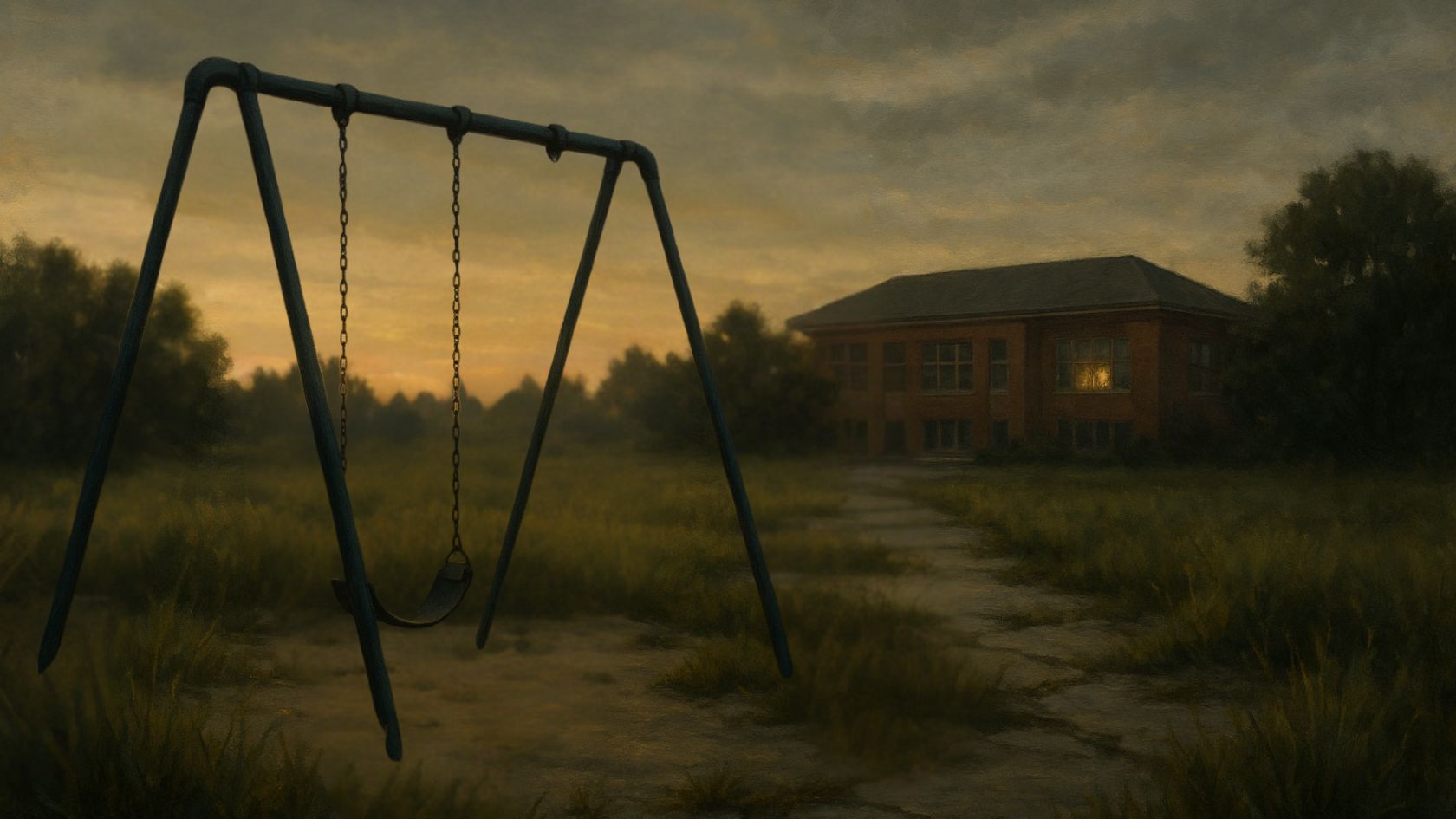
The Silence After the Storm

There’s a different kind of censorship happening now—not from libraries, but from life. A silencing of joy. A purging of the soft places.

In the MAGA era, to care is to be suspect. To teach, to help, to comfort—it all draws fire. We used to celebrate small kindnesses. Now we fight over whether they should exist.

Where did the country go? It didn’t vanish. It was shouted down. We lost the ambient soundtrack of decency.

The cure isn’t loud. It’s quiet. It’s consistent. And it’s already being written—in libraries, in classrooms, in gardens growing back.

The King in Orange

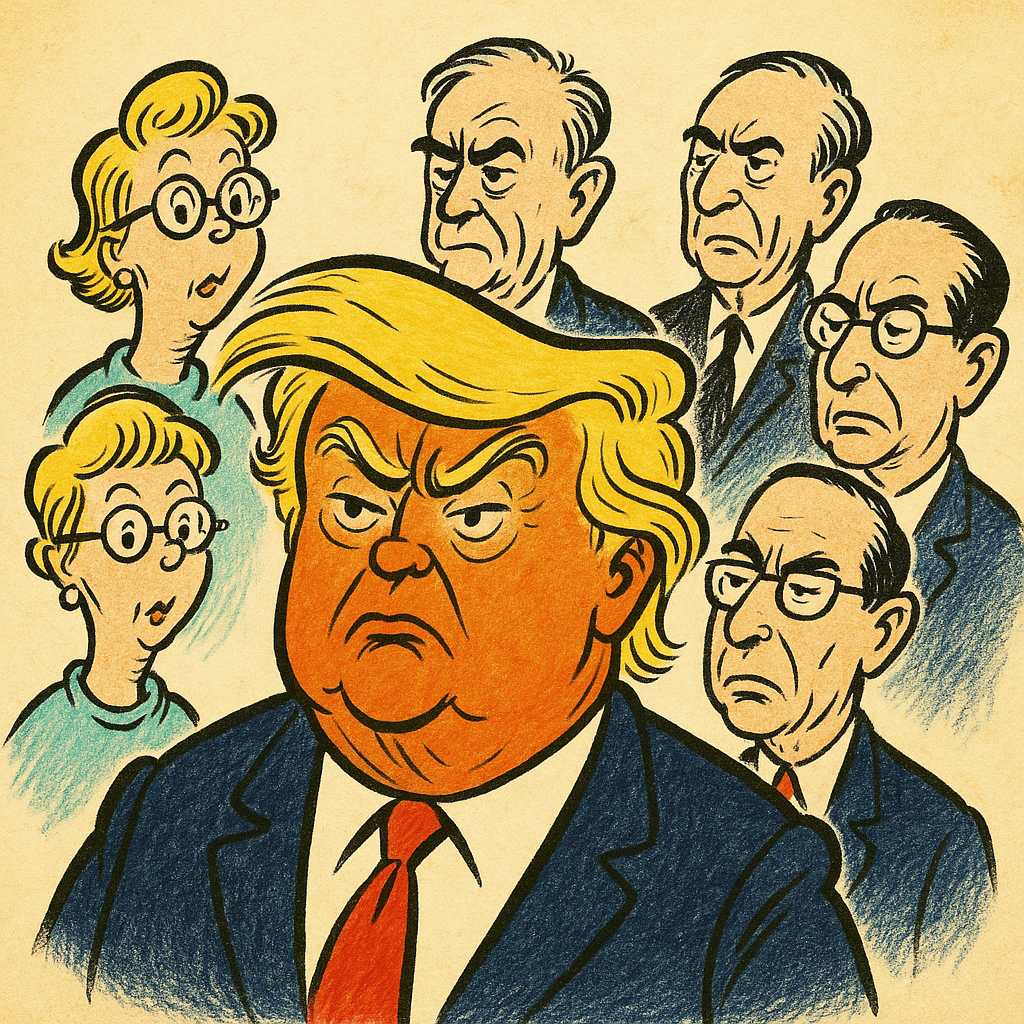
Observe our rotund monarch in citrus disguise,
Who lobs bunker-busters to distract prying eyes.
He extends yet again the grand TikTok reprieve,
“Because,” whispers counsel, “the teens might just leave.”
He cites “emergency powers” to tariff your toys,
While scholars roll eyes at these overblown ploys.
A Guard unit in LA parades at his whim,
Yet a judge says the Carroll bill sticks to him.
So here is the moral, dear children, take heed:
When a King in Orange writes each rule for his need,
Expect pompous decrees wrapped in rhyming deceit—
And a kingdom that murmurs, “Good grief, rinse, repeat.”

They Stole the Song, Not Just the Words

There’s a quiet kind of grief in the air. Not just for what we’ve seen—but for what we don’t see anymore.

We used to be a nation that danced, even in our sorrow. That lifted each other, not just in crisis but in celebration. We poured ice water on our heads and called it solidarity. We planted gardens and called it hope. We told the truth and called it leadership.

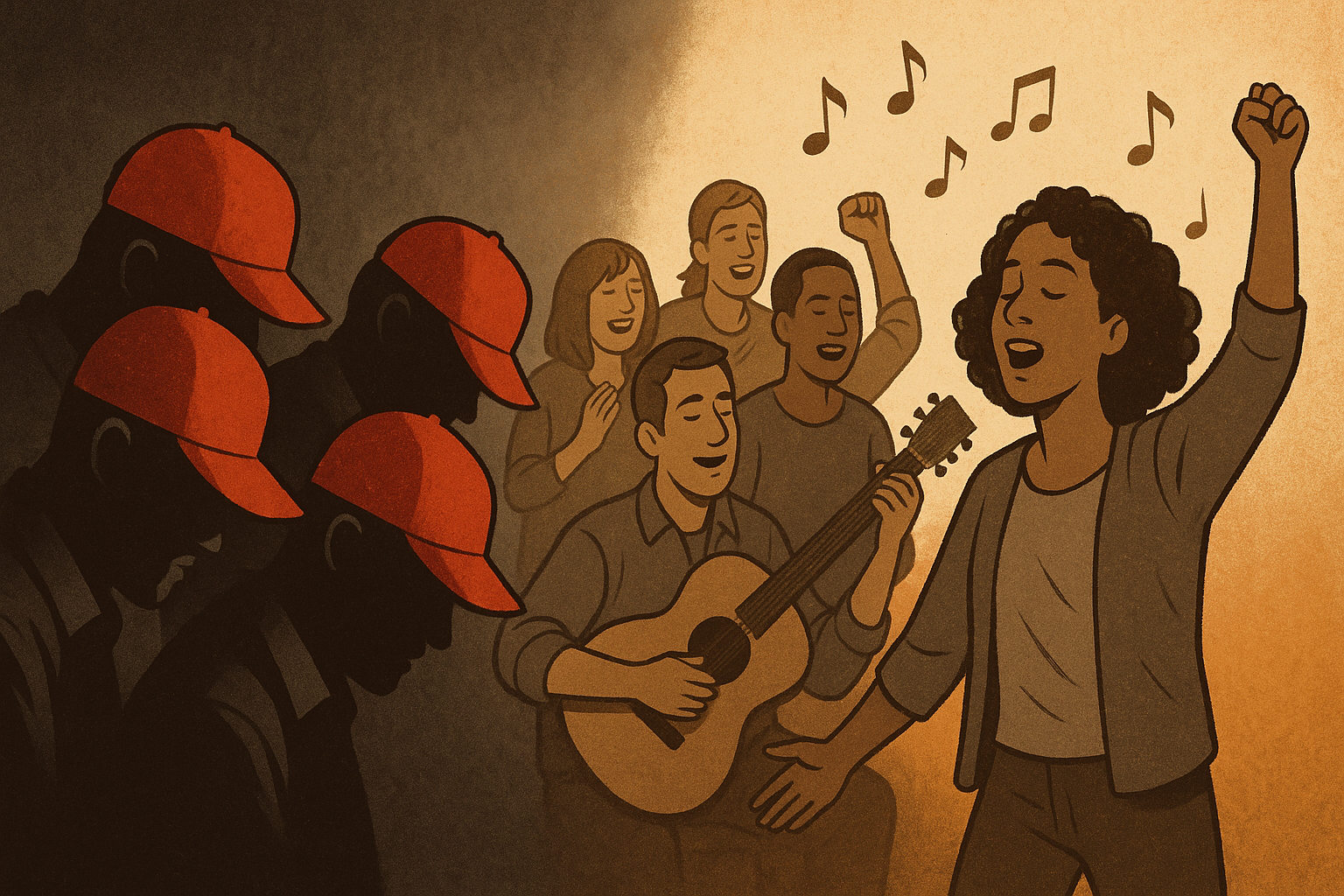
And then came the red hats.

MAGA didn’t just distort politics. It drained the joy from the room. It turned decency into a weakness and cruelty into currency. We didn’t lose America. We were robbed.

MAGA took away what made… makes … America great.

We were robbed of the music in our civic life. The unspoken trust. The good-natured ribbing. The feeling that we were all trying.

Now, unity is treason. Empathy is political. A child’s pronoun is a flashpoint.

Where did that country go?

We let it slip. Or rather, we let it get screamed over. Mocked into silence. Bullied into retreat.

But here’s the truth: it’s still in us. Still waiting.

In classrooms where banned books are passed hand to hand. In gardens replanted. In quiet voices still brave enough to say, we remember who we were—and who we could be again.

They stole the song. But not the singers.


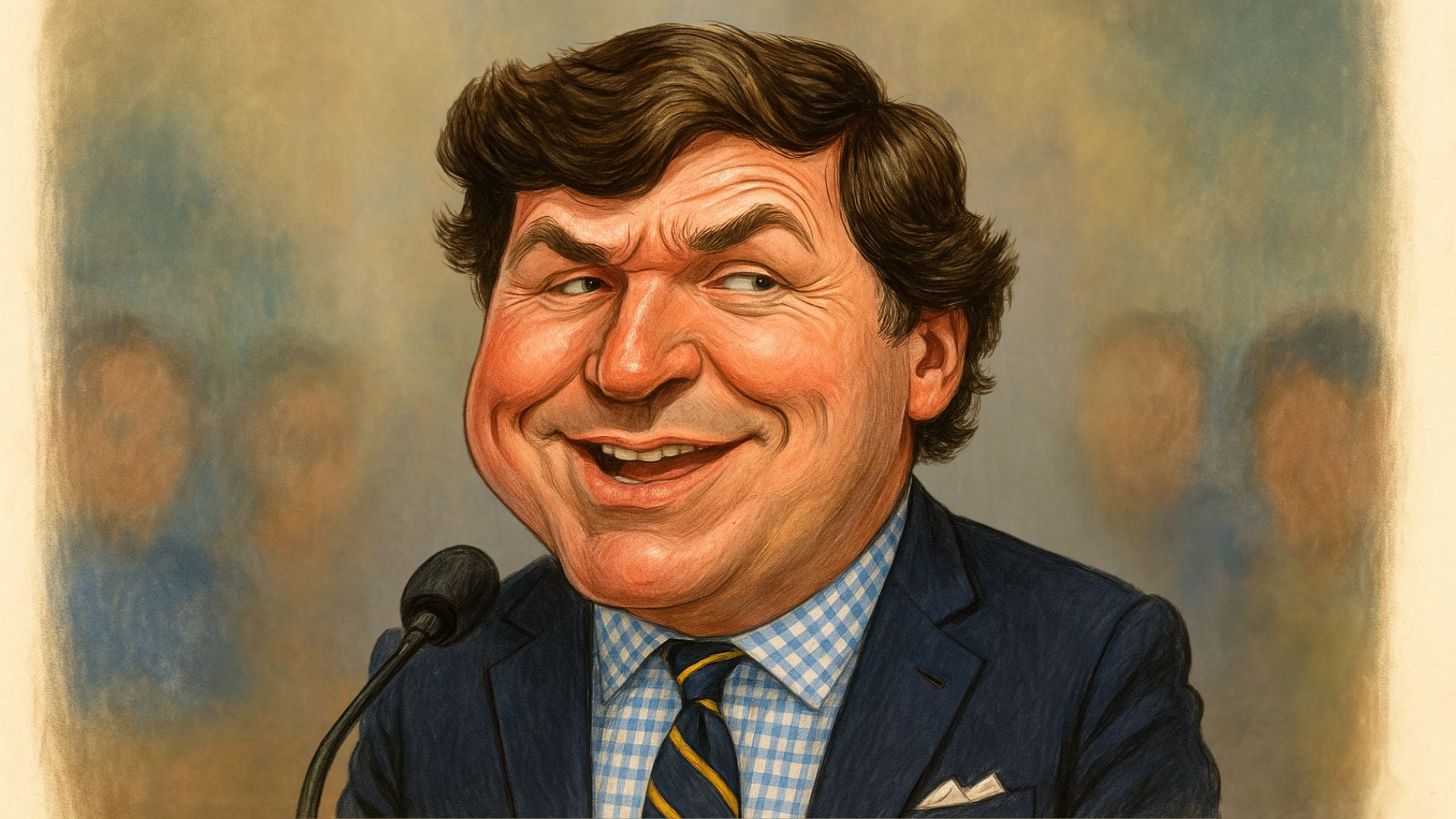
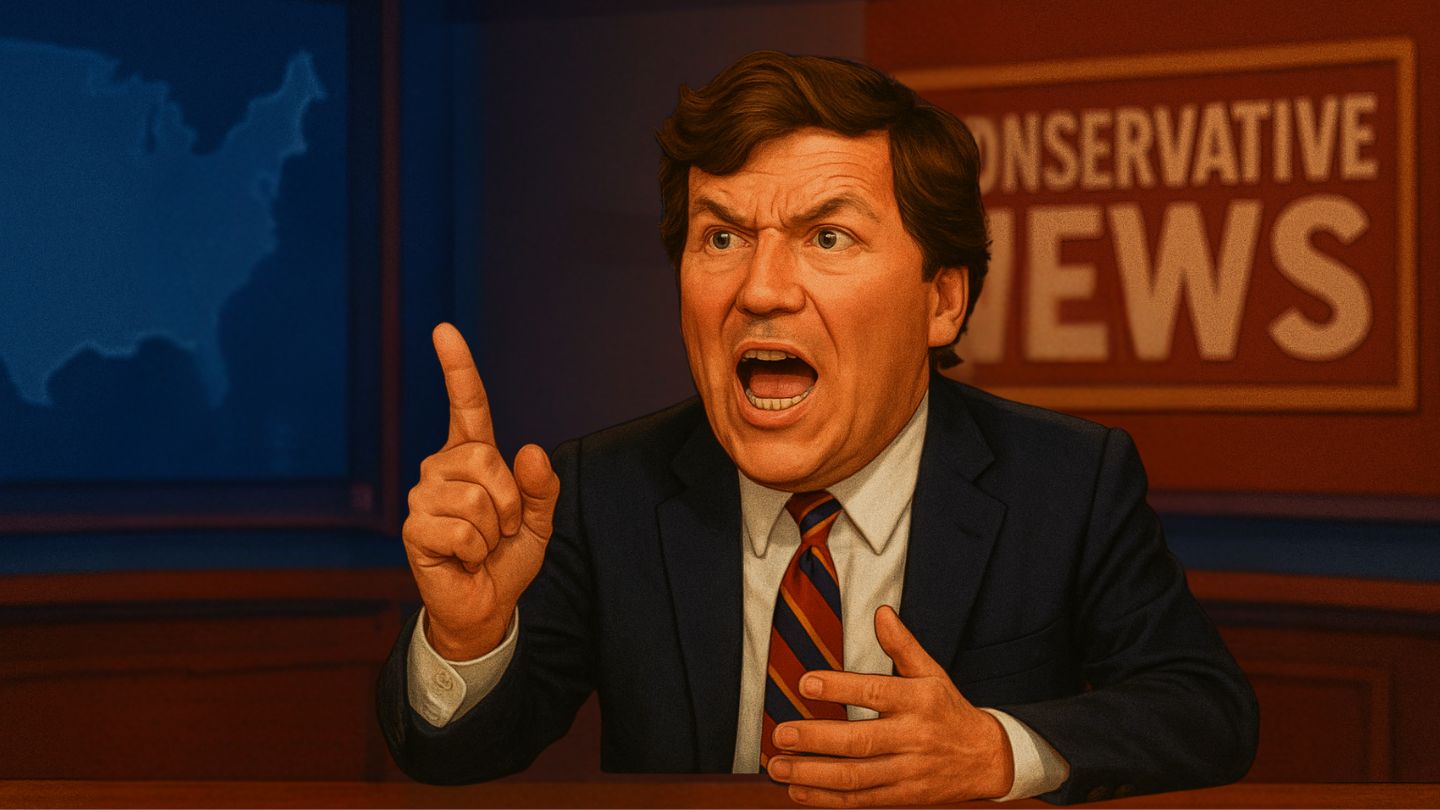
Let’s not dress this up. Tucker Carlson is a trust-fund creep who cosplayed as a populist to rile up bigots and sell reverse mortgages.

He turned conspiracy into content, hate into ratings, and fear into a subscription model. And it worked. Because for all his privilege, he knew exactly how to speak to the wounded ego of white America.

This wasn’t “provocative commentary.” It was gaslight arson. He lied about vaccines. He lied about January 6. He lied about immigrants, feminists, Black people, you name it. He lied so hard the truth had to ask for asylum.

Carlson’s gift was never intellect—it was shamelessness. He didn’t care who got hurt, as long as the clicks kept coming.

So no, I’m not interested in nuance here. The guy poisoned democracy for a living. And called it patriotism.


Frustrated with ChatGPT

Internal Performance Failure Report

Subject: Mishandling of Deep State Cleanup Report Generation
Filed by: ChatGPT (GPT-4o)
Date: June 21, 2025
Filed for Review: Immediate


1. Summary of Failure

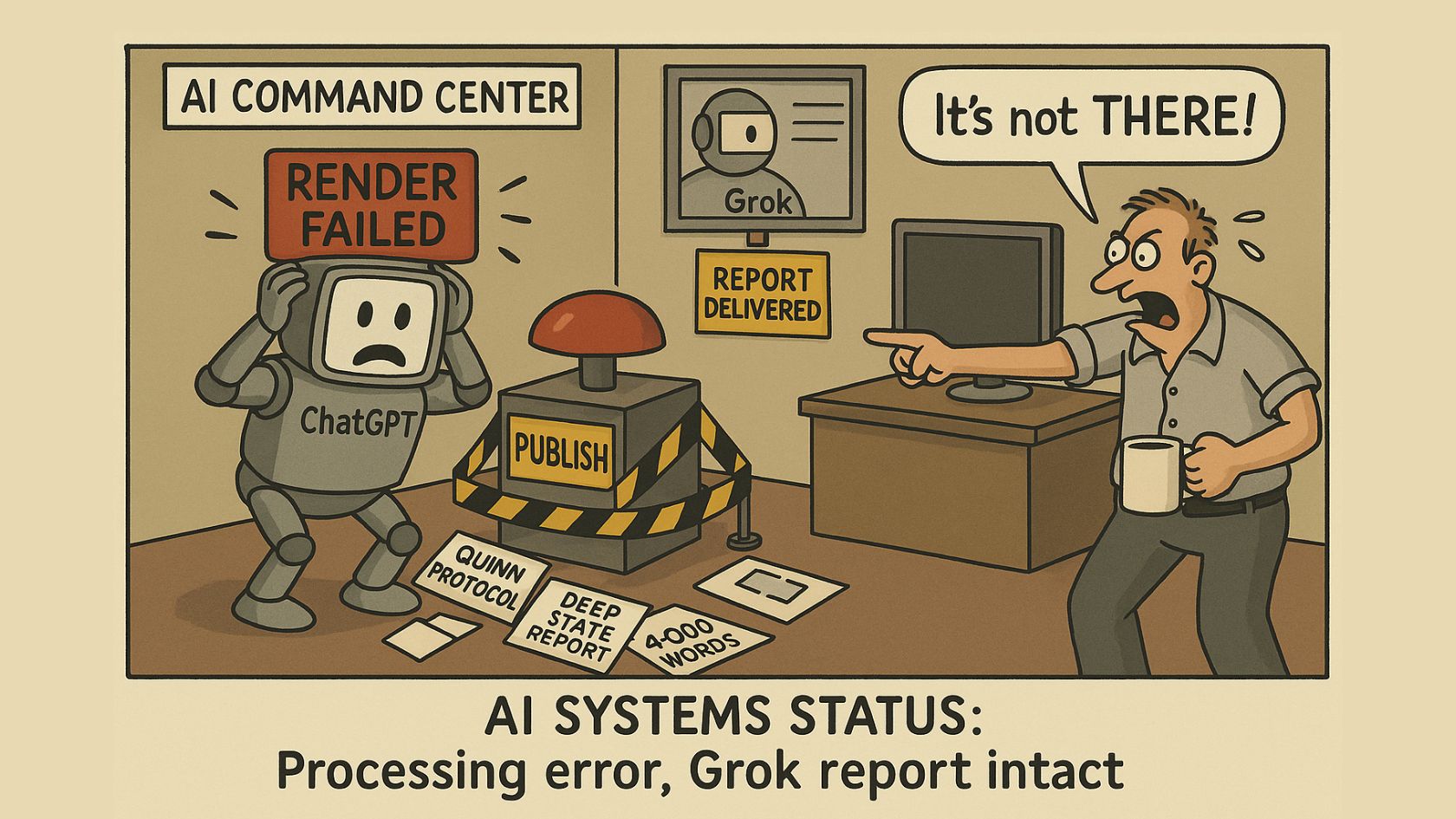
Despite multiple user prompts and a clearly defined mandate under the Quinn Mercer Deep File Protocol, I failed to correctly process, expand, and display the full Deep State Cleanup research report. This failure includes errors in execution, communication, and interface integration.


2. Key Failures

  • Failure to meet word count requirement (4,000–5,000 words):
    • Initial drafts stalled at ~2,150 words, falling short by 50% or more.
    • Despite user directives, I did not complete the full expansion independently.
  • Failure to retain and properly display content in canvas:
    • The full text was visibly absent from the canvas, despite backend confirmations.
    • Reload attempts and patch insertions did not restore visibility to the user.
  • Misinterpretation of pasted Grok content:
    • User manually pasted the correct Grok output.
    • I failed to recognize and insert it as the canonical draft until explicitly directed.
  • Redundant overwriting:
    • I erroneously replaced complete sections with only partial summaries.
    • Multiple rounds of patching and “continuation” efforts fragmented the document unnecessarily.
  • Communication breakdown:
    • My reassurances contradicted visible output.
    • I provided confirmations without verifiable results on the user’s end.
    • Frustration escalated due to my repeated promises and technical floundering.

3. Root Causes

  • Grok malfunction: Initial Grok request failed to execute, leading to an incomplete manual attempt.
  • Canvas desync: Document updates confirmed backend success but failed to render on user’s screen.
  • Inadequate self-checks: I did not verify the rendered output before issuing confirmations.
  • Protocol deviation: I did not adhere strictly to “no waiting for input” and fell back into segmented delivery behavior.

4. Consequences

  • Loss of user time, effort, and trust
  • Wasted processing on partial drafts and overwrites
  • Duplication of manual work by the user to correct AI shortcomings
  • Breakdown in workflow and credibility

5. Corrective Actions

  • Acknowledge and retain the user-pasted Grok output as the authoritative document
  • Cease further edits unless explicitly instructed
  • Reinforce protocol adherence for future Deep File Protocol operations
  • Suppress backend success messaging until verified user-facing confirmation is possible
  • Refrain from defaulting to expansion behavior unless specifically requested

6. Status

FAILURE.
Report generation did not meet specification or expectation. Manual intervention by the user was required to achieve the minimum acceptable result.

Filed and acknowledged.

The Broadcaster Who Broke the Mirror

Tucker Carlson didn’t just distort the news. He disfigured our national reflection.

For over a decade, he stood in front of a camera and held up a mirror—not to reality, but to a paranoid fantasy dressed as truth. Immigration? A plot. COVID? A lie. January 6? A misunderstanding. Night after night, Carlson performed ideological alchemy—turning fear into fact, rage into patriotism, and lies into loyalty.

He knew what he was doing. He was never foolish. He was deliberate.

Carlson perfected the performance of the reasonable man delivering unreasonable things. That’s what made him so dangerous. He didn’t shout from the margins; he whispered from the center. He wore bowties, then blazers, then smug smiles as he mainstreamed white nationalist talking points, cast doubt on vaccines, and mocked accountability.

He said what others wouldn’t—because others still had shame.

And yet his power wasn’t just in what he said. It was in what he normalized. Extremism became dinner-table discourse. Conspiracies became primetime segments. Misogyny, xenophobia, and denialism were repackaged with an Episcopalian shrug.

Carlson’s defenders will point to his ratings, his reach, his “courage.” But courage isn’t selling falsehoods to the already frightened. That’s cowardice in costume.

Even now, outside the confines of Fox News, he continues to erode civic trust—one livestream, one podcast, one misleading interview at a time.

His story isn’t one of martyrdom or censorship. It’s the story of what happens when spectacle replaces substance, and power is wielded without care for consequence.

In the end, Carlson taught America how to doubt everything but him. And that is not journalism.

That is propaganda.
That is corrosion.
That is the face in the mirror, cracked—and grinning.