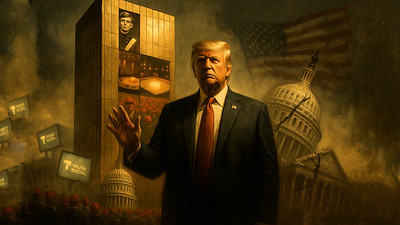
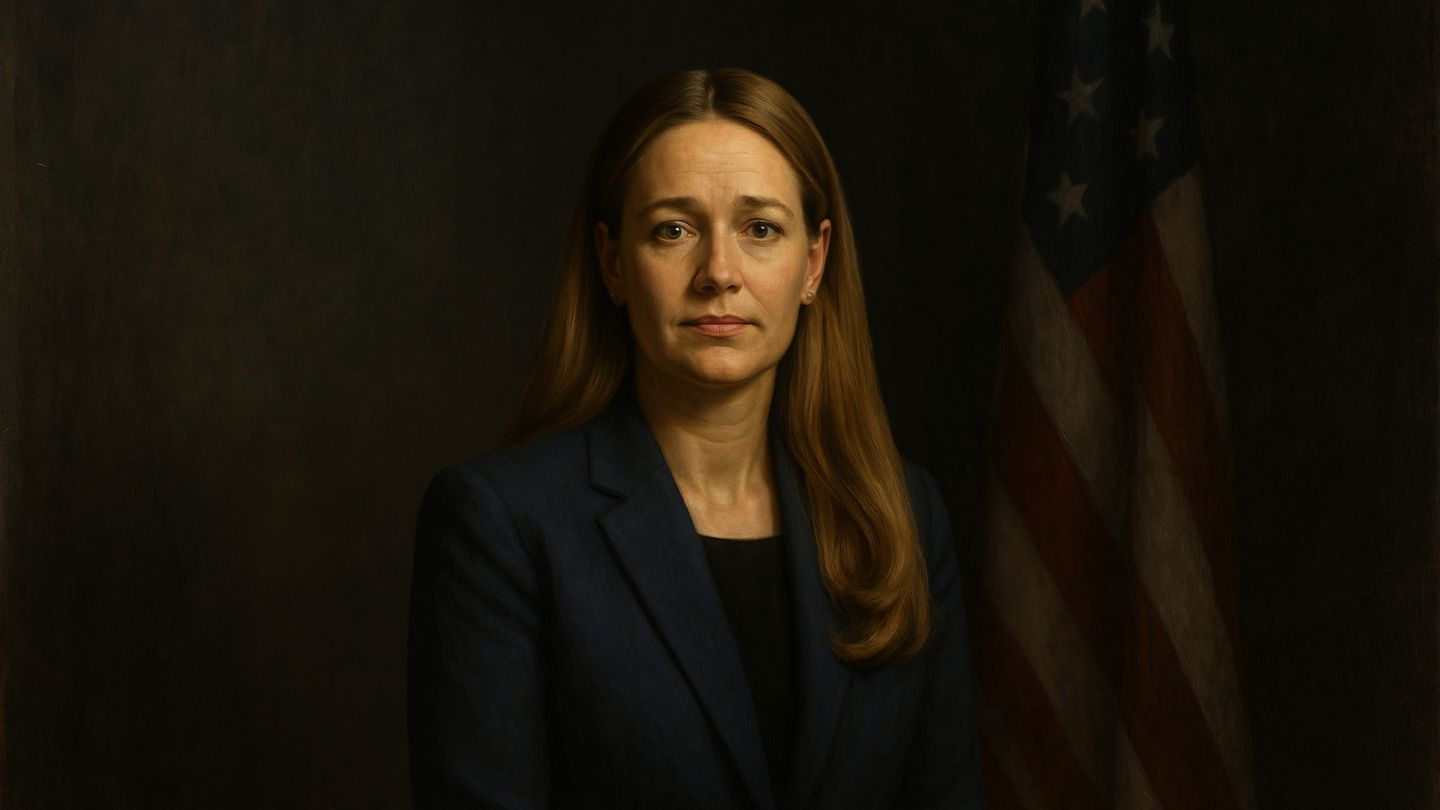
 Tricia McLaughlin is the voice behind the podium—but don’t mistake her for background noise. As Assistant Secretary for Public Affairs at DHS, she is the connective tissue between policy and public consent. Her polished briefings mask the mechanics of a government increasingly hostile to dissent and transparency.
Her defense of the CBP self-deportation app rebrands coercion as compassion. Her handling of Senator Padilla’s violent removal reframes suppression as security. Her social media posts don’t just rebut—they signal allegiance to a doctrine where power justifies itself.
This is more than communications. It’s culture-building. McLaughlin isn’t shouting like the firebrands of the last MAGA wave—she’s normalizing, smoothing, and professionalizing authoritarianism. She knows exactly what she’s doing. She isn’t freelancing. She’s reinforcing the narrative architecture of an administration that wants obedience, not questions.
When propaganda dresses in professionalism, it becomes harder to detect—and harder to resist. McLaughlin’s rise is a warning: in 2025, the most dangerous operators aren’t the ones breaking the rules. They’re the ones rewriting the script, with cameras rolling and credentials in hand.