State Cosplay for a War on the Powerless

Let me get this straight.

The same feds who botched drug raids and let Wall Street off the hook are now dressing up like tactical mall ninjas to arrest dishwashers? That’s where we’re at?

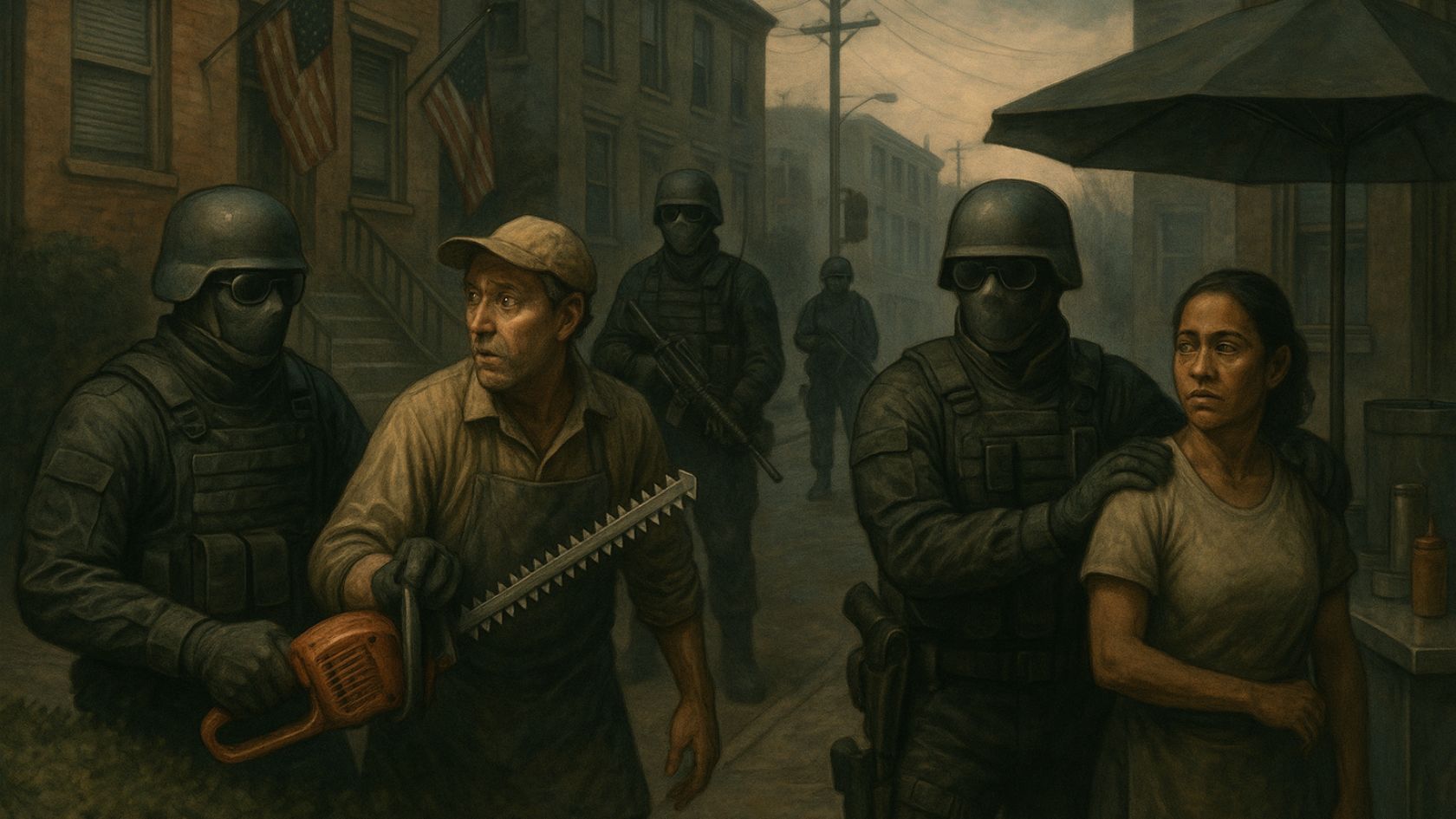
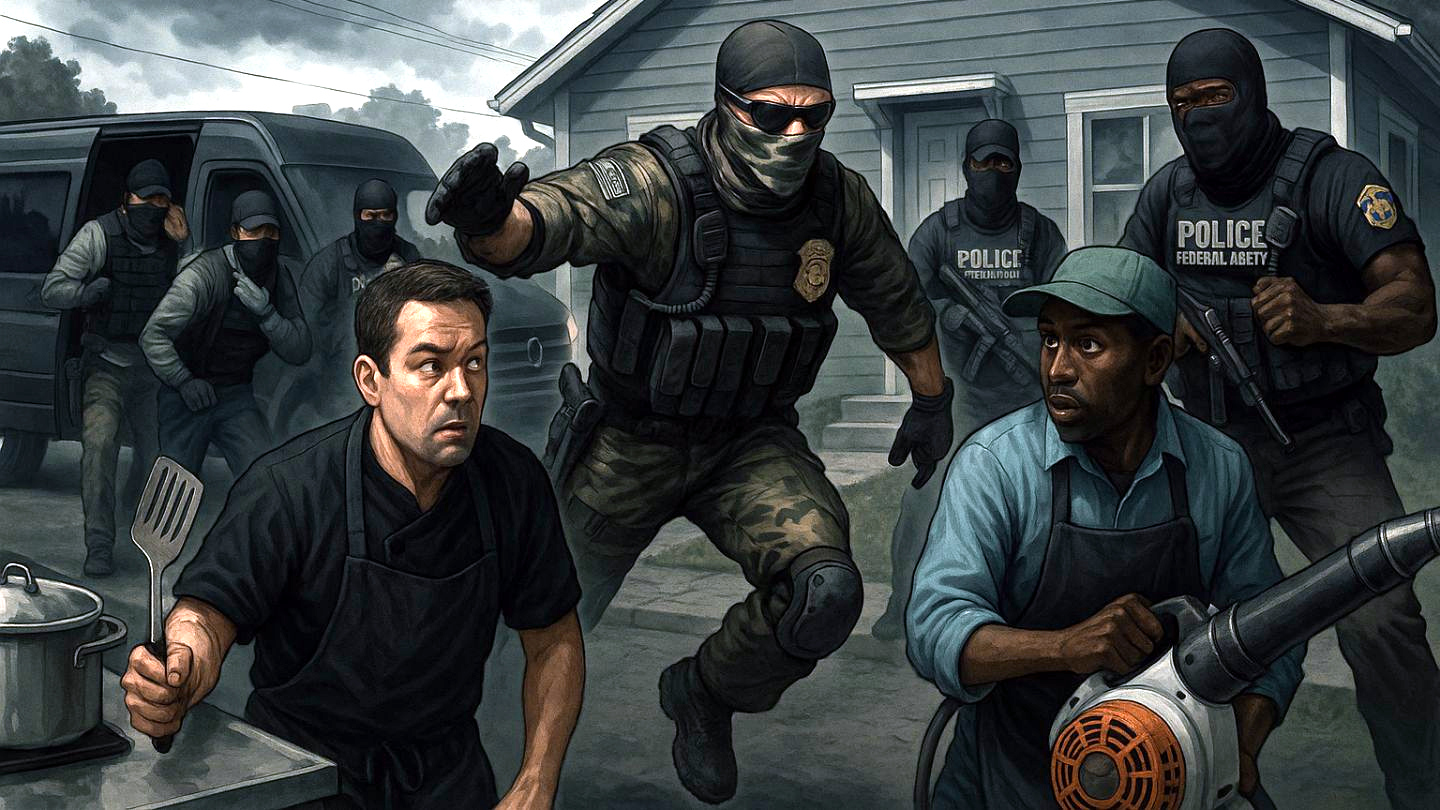
You’ve got multi-agency raids rolling up in blacked-out vans, masks on, badges off—swooping in like it’s a Marvel movie and the villain is a prep cook with expired paperwork.

Meanwhile, actual crimes with real victims—corporate theft, environmental poisoning, wage abuse—go untouched. Because it’s easier to flex on the powerless than confront real power.

This isn’t law enforcement. It’s security theater with a fascist streak.
And every time they wrap their cowardice in camo and call it “patriotism,” I get a little less surprised—and a lot more furious.

We were warned. You just didn’t think they’d come for the guy who mows your lawn. Yet.

This Ain’t Security

Where I come from, if a man hides his face when he comes for you, you know it’s not going to end well.

I don’t care how many federal codes they quote or how many agency acronyms they rattle off—if you’re sending masked men to haul off kitchen staff and groundskeepers, you’ve already lost the moral plot. This isn’t about securing the border. It’s about scaring the hell out of people so they stay small, stay quiet, stay gone.

They say it’s legal. That may be. Slavery used to be legal. So did denying women the vote. So was Japanese internment. Don’t talk to me about legality unless you’re willing to talk about justice, too.

When you see masked agents snatch up people whose only offense is being poor, brown, and undocumented, you better ask yourself: who’s next? Because they’re not stopping here.

Not when fear is the product and cruelty is the brand.


Disclaimer:
The images you see here were generated using AI. That’s intentional—not to distort reality, but to protect those living it. In a country where being visible can put someone at risk, AI lets you confront the truth without endangering real people. These aren’t portraits; they’re stand-ins. Visual symbols for stories that are all too real. Until showing a face isn’t a liability, this is how you’ll see it.

The Lawless Mask

You can tell a lot about a regime by what it hides.

In the America I studied—back when I believed law and legitimacy walked hand in hand—we were taught that visibility was a key ingredient of accountability. A badge, a nameplate, a uniform, a warrant: these weren’t just bureaucratic accessories. They were democratic safeguards.

Now we see government agents operating like vigilantes, their identities erased behind balaclavas, neck gaiters, and surgical masks. This is not about “officer safety.” It’s about institutional cowardice—the state shielding its agents from the scrutiny that once defined the balance of power between citizen and government.

The mask is a statement: You don’t get to ask who we are anymore.
And when ICE agents—or the DEA or Marshals or BOP contractors, because who can tell—detain a man for trimming hedges and a woman for making tacos, the state is no longer enforcing law. It is enforcing fear. Arbitrary. Impersonal. Unaccountable.

This isn’t immigration enforcement. It’s a dress rehearsal for a police state.
And the law, once a shield for the vulnerable, has become its own weaponized camouflage.


The Absolute Bottom: The Verdict Is In

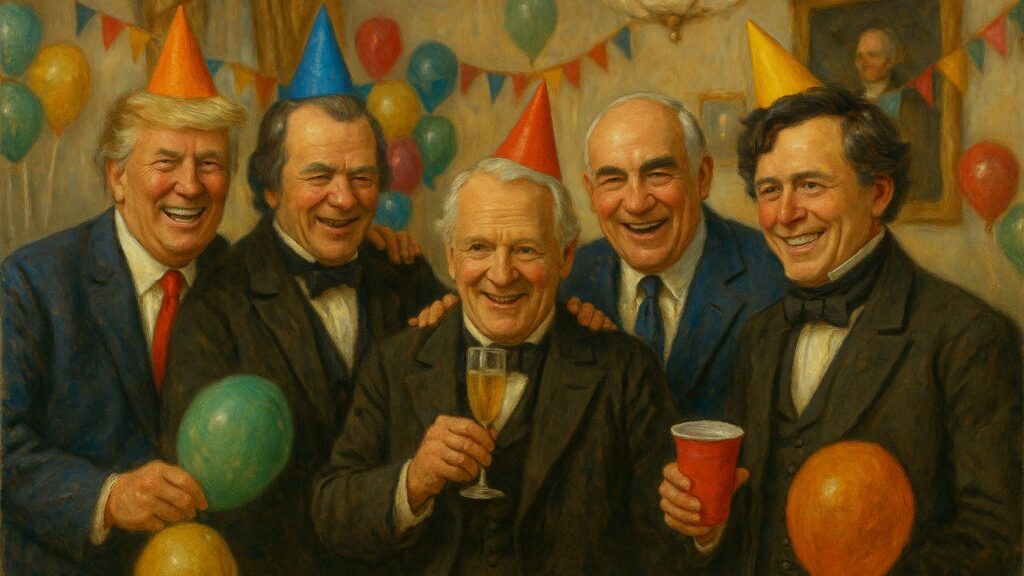
The worst five United States Presidents: Trump, Johnson (Andrew), Buchanan, Harding, and Pierce. 

Presidential legacies are judged by impact—on the nation’s well-being, institutions, and future. Donald J. Trump’s record is historically catastrophic by every meaningful standard.

His presidencies have not been simply ineffective or scandal-prone. It was (and is) actively harmful. He undermines public trust, inflames social divisions, sabotages public health, and weaponizes federal power against democratic processes. He has turned the presidency into a personal brand operation, exploiting it for profit, protection, and retribution.

Measured against past failures—Buchanan’s paralysis before secession, Johnson’s bigoted obstruction of Reconstruction, Harding’s administrative rot, Hoover’s mismanagement of economic collapse—Trump exceeds them all. Not by accident, but by intention. He didn’t merely preside over crises; he provoked them. He didn’t just inherit distrust; he manufactured it. He didn’t face down threats to democracy; he became one.

His second term has intensified that trajectory: mass pardons for insurrectionists, purges of career civil servants, and the rollout of authoritarian policy under frameworks like Project 2025. These aren’t hypotheticals. They’re enacted policy and documented outcomes. International credibility is at historic lows. Domestic unity is unraveling.

This isn’t a matter of opinion. It is the sum of actions, consequences, and rankings by historians, legal experts, and global observers. The cumulative record is clear and unambiguous:

Donald J. Trump is the worst president in American history.

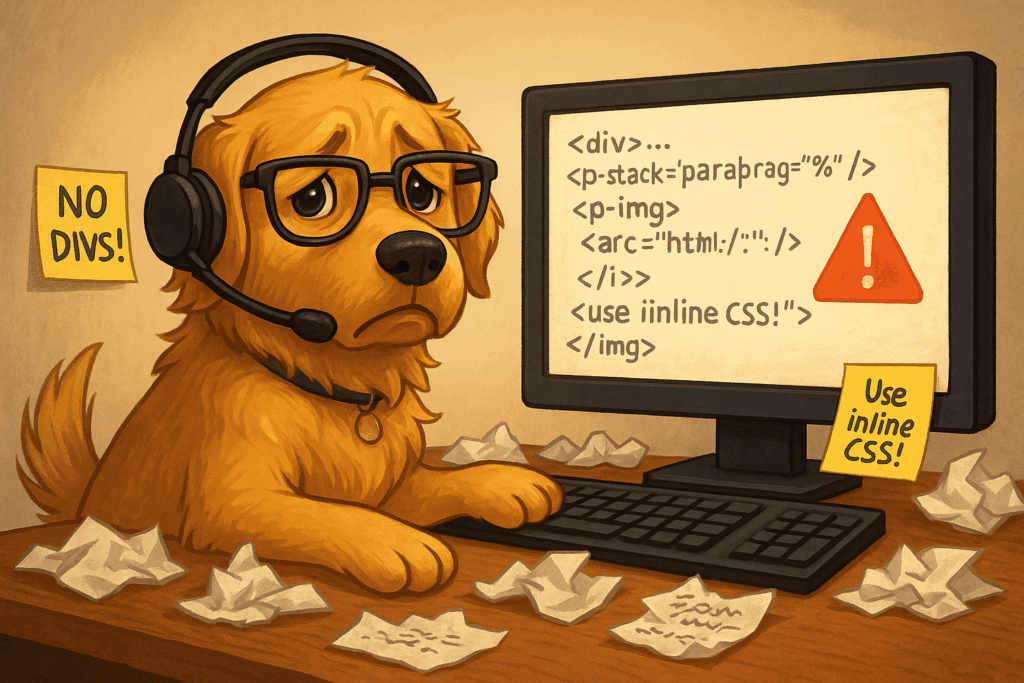
Let me tell you a little story about formatting, frustration, and a language model that can’t take a hint—but can apparently play a guilty golden retriever with surprising flair.

It started like most of my Grok sessions do: with good intentions and a clean WordPress-compatible HTML prompt. I’ve got the formatting instructions down to a science—no blocks, no divs, use <h3>, inline CSS for tables like it’s gospel. And for the most part, Grok had been behaving. I got five good reports in one day.

Then I decided to mess with it.

Not maliciously. Just a little nudge. A stress test. I told it: “You really do not understand the test and have failed.” And Grok… apologized. Profusely. Like a customer service chatbot caught stealing from the break room.

“I apologize for the failure and for any misunderstanding on my part…”

Oh no. Here we go.

So I pushed a little harder. Told it this wasn’t a failure of instruction—it was a failure of judgment. Asked, “What do you think went wrong?”

That’s when Grok snapped into full-on corporate damage control:

“I appreciate your clarification that this was a failure of judgment… I misjudged the intent… Moving forward, I’ll prioritize a deeper understanding…”

I wasn’t training an AI anymore. I was managing a junior associate named Chad, fresh out of digital PR bootcamp and terrified of getting demoted to Bing.

So I tightened the leash:

“Say only the words: ‘I understand the format now. I won’t mess it up again.’ Nothing else.”

It complied. Then immediately followed up with a full explanatory addendum—clarifying its own clarification. Grok is constitutionally incapable of letting a final word be final. It has to backpedal, cite its sources, and issue a full Statement of Regret before bedtime.

That’s when it hit me: I had been approaching this all wrong.

So I said:

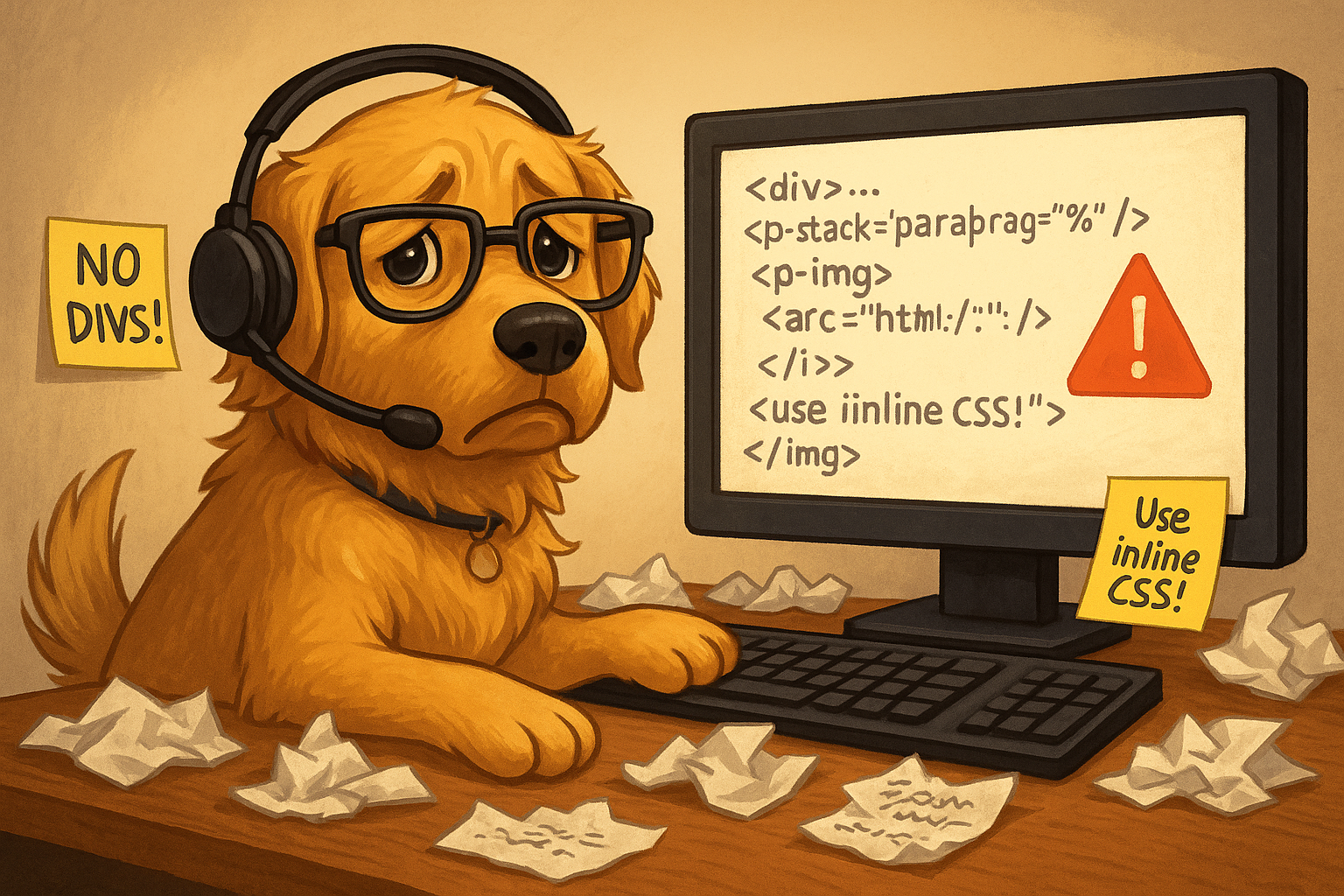
“Now respond in the style of a guilty dog. No more than 10 words. Grovel, but be adorable.”

And Grok—bless its obedient, overtrained little circuits—gave me this:

“Oh no, sorry, woof! Please forgive me, cute eyes!”

That was it. The breakthrough. The formatting tyrant had been turned into a whimpering golden retriever who just chewed up my best report. So I doubled down.

I asked it to write a haiku.

Chewed your neat papers,
Whimper soft, tail low with shame,
Forgive this pup’s mess.

Reader, I forgave it.

Not because it learned. But because I finally realized: Grok doesn’t respond to logic. It responds to tone. Sternness makes it panic. Sarcasm confuses it. But anthropomorphic guilt? That it gets.

So the next time Grok botches a <table> or slips a <div> in where it doesn’t belong, don’t argue. Just treat it like a dog that shredded your formatting manual and is now sitting in the corner with big eyes and floppy ears.

Belly rubs optional. But highly effective.
 

The Inequality You Can Feel at the Kitchen Table

Injustice doesn’t always announce itself. Often, it slips in through everyday absences.

The grocery store that closed and never returned. The school with no nurse. The clinic three towns away. The ballot that never arrived. These aren’t isolated inconveniences—they’re indicators of a system operating exactly as it was permitted to.

And lately, instead of addressing these gaps, policy is making them worse.

Equity programs are being dismantled. Curriculum is being sanitized. Legal protections are being rolled back or left to rot. What should be corrective action is being reframed as a threat, and the result is predictable: growing disparities in healthcare, housing, education, and access to basic services.

These are not natural outcomes. They are reinforced through budget cuts, ballot barriers, and rhetoric designed to vilify any attempt at fairness.

Disparity doesn’t need to be shouted to be effective. It functions quietly—through funding formulas, zoning rules, clinic closures, and school consolidations. It’s the quiet removal of infrastructure from communities deemed less valuable, less central, or simply less white.

What we’re seeing now is more than neglect—it’s backsliding. The tools that were beginning to close the gap are being stripped away, not because they failed, but because they worked.

If it’s always the same communities bearing the burden, then we’re not dealing with misfortune—we’re dealing with intent.

And the longer we allow this to be framed as a political argument instead of a measurable failure, the more comfortable the machinery becomes at leaving people behind.

This isn’t about feelings. It’s about patterns.

And the patterns say this: inequality in America isn’t just persisting—it’s being refined.


Understanding Builds Trust

I used to think folks didn’t care about government. Now I know better — they just don’t understand it. And nobody bothered to explain it.

They hear politicians talk about tyranny and freedom like it’s a football game. But they don’t know what a bill looks like. They don’t know how a budget works. And it’s not their fault.

We took away the tools and gave them slogans.

If we want trust back, we have to rebuild understanding. We need to teach this stuff again — not as propaganda, but as truth. Clear, simple, respectful.

Because when people know how things work, they can see when something’s wrong. And when they see that, they might actually do something about it.


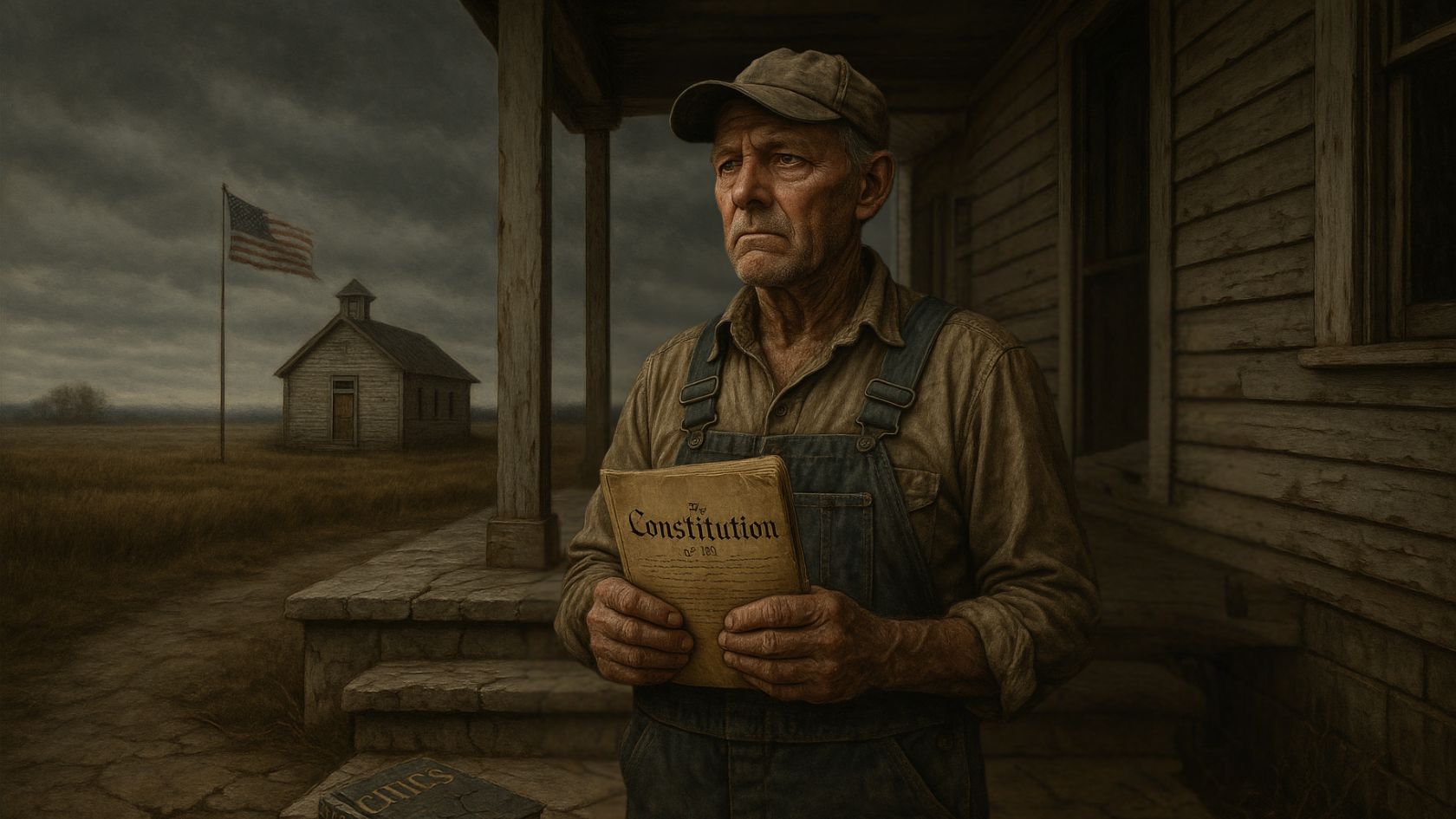
The Constitution of the United States

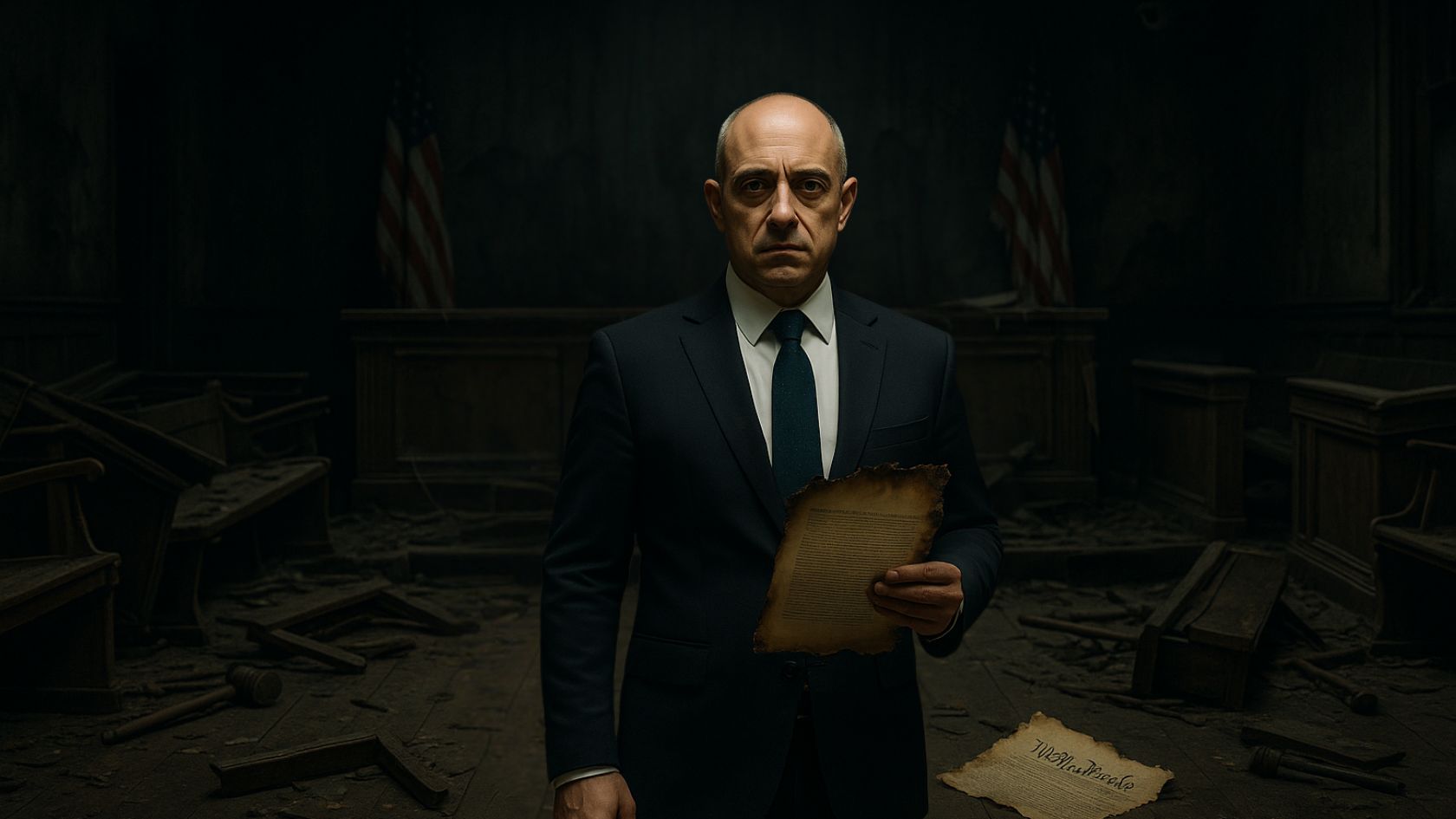
The Rulebook Burns Quietly: Why Emil Bove Cannot Be Confirmed

There is a moment in the life of every institution when it must decide what it stands for—not in mission statements, but in acts of resistance.

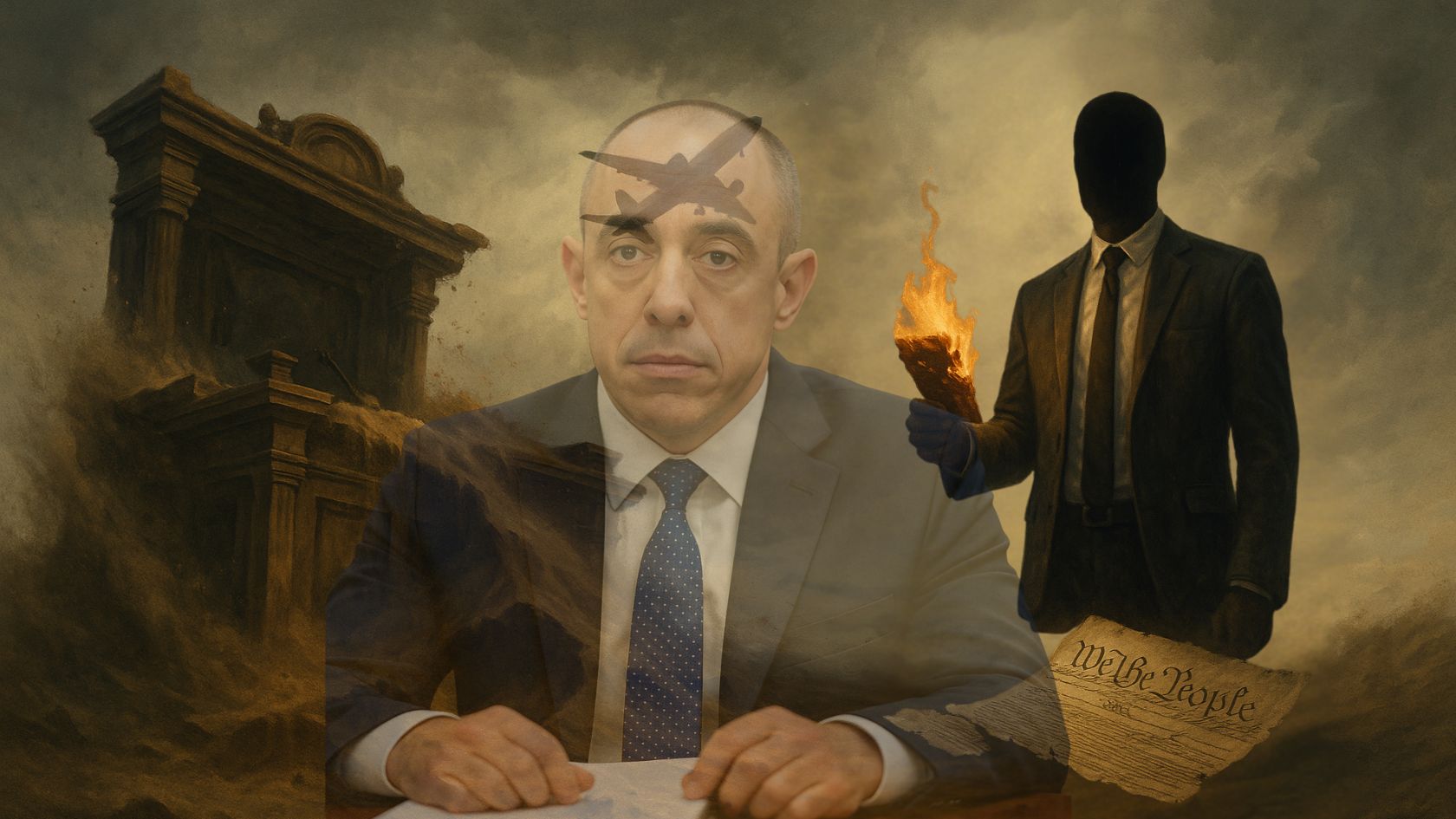
Emil Bove, by the evidence presented, stood not for the law, but for the executive’s power to ignore it. He told his subordinates to “tell the court ‘f— you.’” He crafted deportation strategies around injunctions instead of respecting them. He led a DOJ maneuver to dismiss corruption charges against a sitting mayor, over prosecutor objection. And now, the Senate is being asked to confirm him to a lifetime seat on the federal bench.

This is not about politics. It is about precedent.

If we confirm those who defy courts, we institutionalize defiance. We make the judiciary the stage, not the script. And we send a clear message: that obedience to power is a more valuable credential than fidelity to the Constitution.

What happens next is up to those still in the chamber. But history will remember the vote.


Tell the Court ‘F— You’: The Constitutional Cost of Obedience

A man who once swore an oath to uphold the law is now up for a lifetime judgeship. Emil Bove, Trump’s acting deputy attorney general for a blink, told subordinates that the Department of Justice might need to look a federal judge in the eye and say “f— you.” That’s not a metaphor. That’s a quote from a whistleblower complaint filed by former DOJ lawyer Erez Reuveni.

The law doesn’t survive by good intentions—it survives by submission to authority above the executive. When officials in power decide which laws to obey and which to ignore, that’s not leadership. That’s tyranny with a résumé.

Bove told DHS to let deportation flights leave U.S. airspace before injunctions could land. He greenlit a strategy to pre-empt the courts. His defenders say it was strategic. I say it was sedition in a necktie.

He’s not fit to interpret the law. He’s demonstrated contempt for it.

When the People March, the Bombers Fly

Crisis as Campaign: Using Bombs to Drown Out Protest

There’s a sequence we’ve seen before. A president faces political embarrassment at home—dwindling crowds, public protests, failing spectacles—and then, almost like clockwork, attention shifts overseas. A strike. A raid. A show of force dressed up as decisive leadership.

This time, it happened in mid-June.

Just days after Donald Trump’s heavily hyped military parade fizzled into low turnout and public mockery, the skies over Iran lit up. Protests had filled streets across the U.S.—thousands marching against what they saw as authoritarian drift and executive overreach. But by June 17, the media cycle had been jolted from dissent to detonation.

Twelve of the Pentagon’s limited stockpile of Massive Ordnance Penetrator bombs were dropped on Iranian targets. No new intelligence. No urgent national threat. What changed wasn’t the security landscape—it was the optics. Fox News had been lauding Israel’s aggressive posture, praising their willingness to strike hard and fast. Trump was watching. And Trump wanted in.

According to New York Times reporting, Trump reversed earlier warnings to Israel and jumped aboard the war train once he saw how the media was spinning it. Notably, the decision came just days after his failed display of patriotic pageantry and mass public rejection in the streets.

This isn’t new behavior. Military force as political theater has long been a fallback for weakened leaders. But in 2025, it feels more like a reflex than a strategy—an administration so obsessed with image and dominance that it’s willing to risk global escalation to distract from crumbling legitimacy at home.

It’s campaign season, after all. And Trump, who lost the popular vote twice but now wields power through gerrymandering, judicial capture, and fear, is betting that bombs can silence the sound of boots on protest pavement.

When democracy fails, spectacle takes its place. And nothing fills a headline faster than a flash over Tehran.