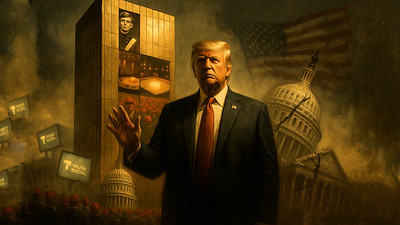
Crisis as Campaign: Using Bombs to Drown Out Protest
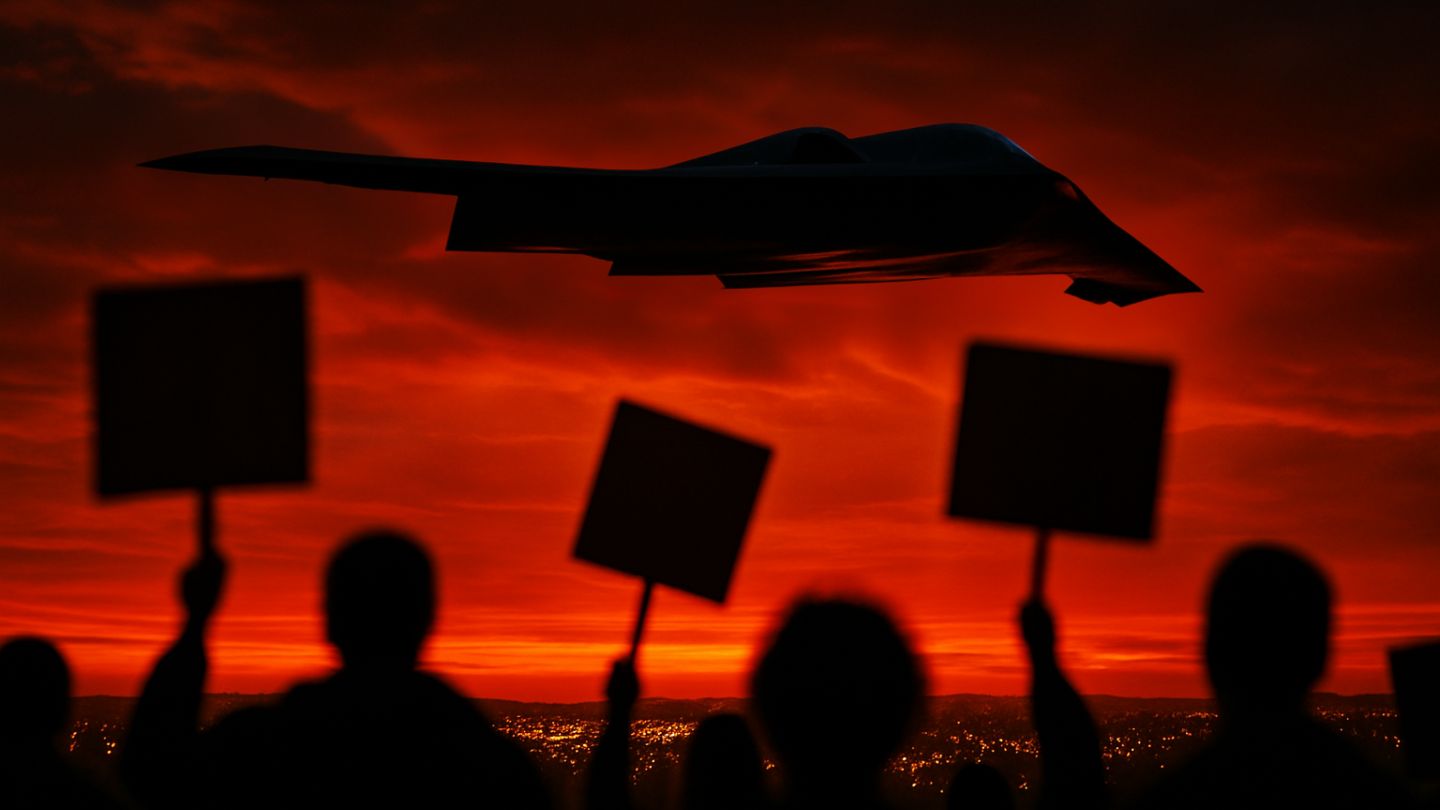 There’s a sequence we’ve seen before. A president faces political embarrassment at home—dwindling crowds, public protests, failing spectacles—and then, almost like clockwork, attention shifts overseas. A strike. A raid. A show of force dressed up as decisive leadership.
This time, it happened in mid-June.
Just days after Donald Trump’s heavily hyped military parade fizzled into low turnout and public mockery, the skies over Iran lit up. Protests had filled streets across the U.S.—thousands marching against what they saw as authoritarian drift and executive overreach. But by June 17, the media cycle had been jolted from dissent to detonation.
Twelve of the Pentagon’s limited stockpile of Massive Ordnance Penetrator bombs were dropped on Iranian targets. No new intelligence. No urgent national threat. What changed wasn’t the security landscape—it was the optics. Fox News had been lauding Israel’s aggressive posture, praising their willingness to strike hard and fast. Trump was watching. And Trump wanted in.
According to New York Times reporting, Trump reversed earlier warnings to Israel and jumped aboard the war train once he saw how the media was spinning it. Notably, the decision came just days after his failed display of patriotic pageantry and mass public rejection in the streets.
This isn’t new behavior. Military force as political theater has long been a fallback for weakened leaders. But in 2025, it feels more like a reflex than a strategy—an administration so obsessed with image and dominance that it’s willing to risk global escalation to distract from crumbling legitimacy at home.
It’s campaign season, after all. And Trump, who lost the popular vote twice but now wields power through gerrymandering, judicial capture, and fear, is betting that bombs can silence the sound of boots on protest pavement.
When democracy fails, spectacle takes its place. And nothing fills a headline faster than a flash over Tehran.