The Shadow Architect: Stephen Miller and the America First Agenda

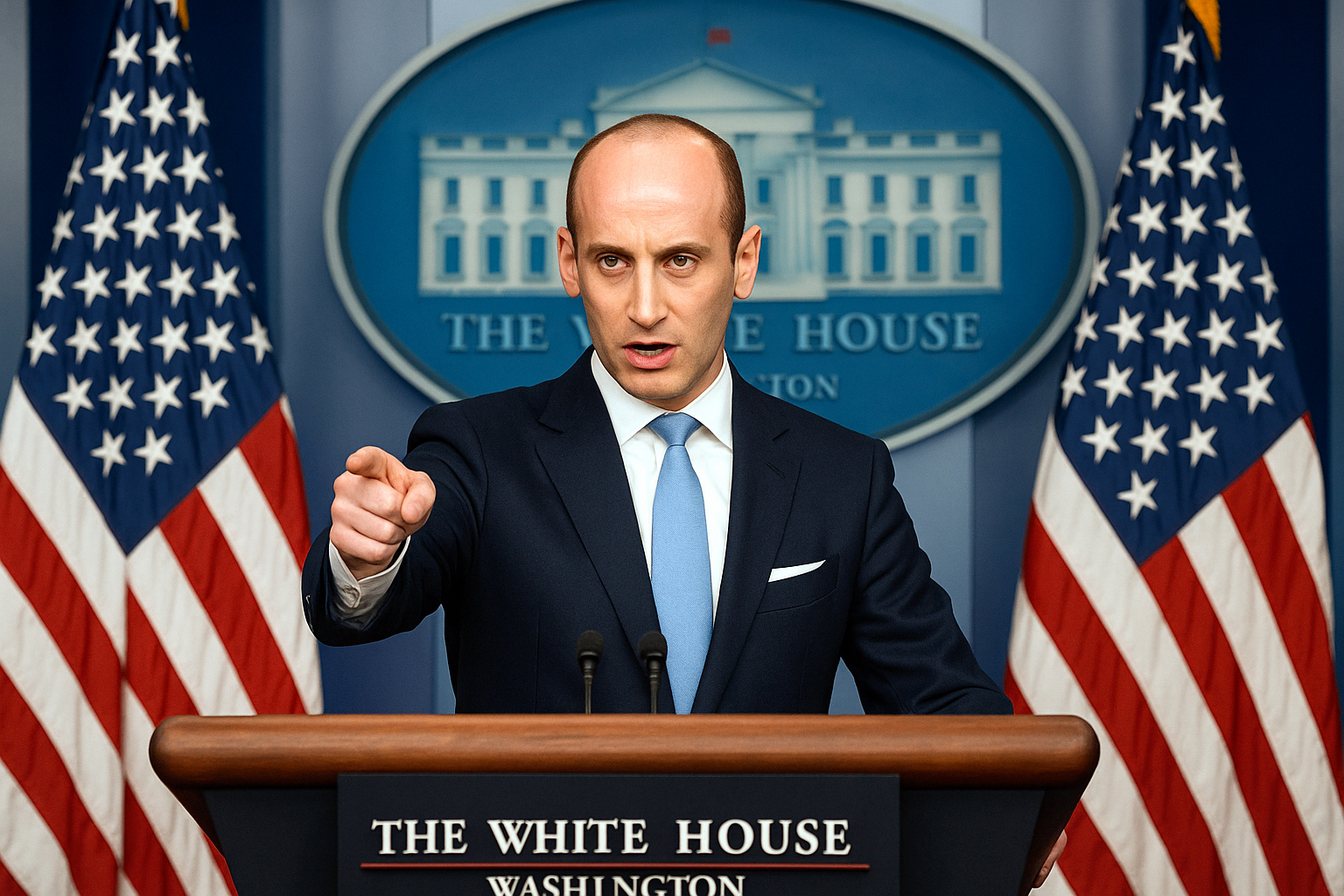
A key architect of Trump’s immigration policies, Miller's influence spans border security, legal challenges, and nationalist rhetoric, shaping America First.I never imagined the architect of some of the most polarizing policies in modern American history would emerge from the sunny streets of Santa Monica, California. Yet, here we are, with Stephen Miller—a man whose trajectory from a high school agitator to Deputy Chief of Staff for Policy and Homeland Security Advisor marks one of the most influential, and to some, infamous careers in Washington.

Early Roots in Conservatism

Miller’s early life hardly hints at the storm of controversy he would later generate. Born in 1985, he grew up in Santa Monica, the son of a real estate investor and a woman with roots tracing back to Jewish immigrants who fled pogroms in Belarus. His political leanings took shape in his teens, galvanized by the words of Wayne LaPierre and Rush Limbaugh. Miller’s activism began as soon as his ideology did—loud and unapologetic. He clashed with the progressive culture of Santa Monica High School, pushing for English-only policies and calling out what he saw as left-leaning bias.

College Years and Political Ascendancy

Duke University was where Miller found his stage. He led conservative movements, defended controversial figures, and organized Islamo-Fascism Awareness Week—a harbinger of the unapologetic stance he would carry into national politics. His writing in the Duke Chronicle showcased a zeal for nationalism and hardline conservatism, a template he would follow for the rest of his career.

Building the America First Platform

Miller’s rise to prominence came through his work with Representatives Michele Bachmann and John Shadegg, and later with Senator Jeff Sessions. His rhetoric grew sharper, his policies more defined. By 2016, he had found his ideological home in Donald Trump’s campaign, drafting speeches and shaping immigration policies that would come to define the administration. From the travel ban to family separations at the border, Miller’s fingerprints were unmistakable.

The Architect of Controversy

Controversy followed Miller’s career like a shadow. His hardline immigration stances drew accusations of xenophobia and cruelty. Leaked emails revealing his ties to white nationalist publications only fanned the flames. Yet, Miller has always been unrepentant, doubling down on the need for stringent immigration controls and stronger borders. His tenure as Senior Advisor for Policy and Director of Speechwriting saw some of the most aggressive policies enacted under Trump’s first term.

The America First Legal Foundation and the Return to Power

When Trump left office in 2021, Miller didn’t disappear. He founded the America First Legal Foundation, designed to challenge progressive policies through the courts. His return to power in Trump’s second term, now as Deputy Chief of Staff for Policy and Homeland Security Advisor, solidified his role as a primary architect of nationalist policy. With new executive orders aimed at ending birthright citizenship and designating Mexican cartels as terrorist organizations, Miller’s influence has only grown.

A Divisive Legacy

To his supporters, Miller is a champion of American sovereignty, a bulwark against unchecked immigration. To his critics, he is the face of a brutal, isolationist America that turns its back on the world’s most vulnerable. But if one thing is clear, it’s that Stephen Miller’s vision for America is as unyielding as the man himself.

Looking Forward

Miller’s ambitions seem far from complete. His current role with Trump’s administration could be a mere prelude to even greater influence, perhaps even a role as National Security Advisor. As the ideological architect behind America First, his legacy will be written not just in policy, but in the ripples those policies create for generations to come.
Karoline Leavitt—White House Press Secretary

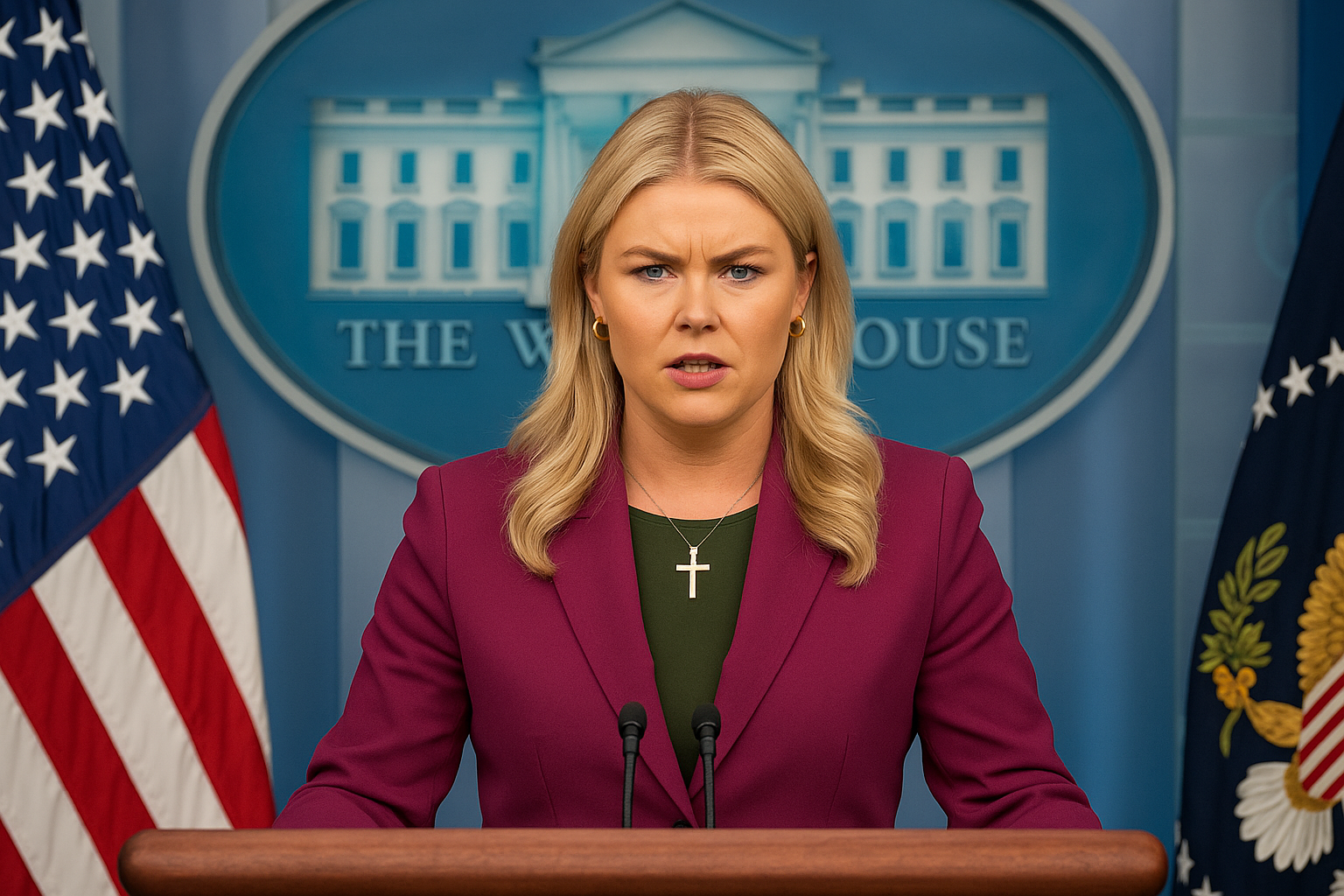
Karoline Leavitt—the White House Press Secretary under President Trump, known for her assertive style, conservative views, and rapid rise in political communications.A New Face of Conservative Combat

Karoline Leavitt came out swinging. Born and raised in Atkinson, New Hampshire, she grew up in a Catholic household, working summers at the family’s ice cream stand. It’s the kind of hometown upbringing that would make any New Englander nod with familiarity—scooping cones, smiling at locals, learning what it means to work for every dollar. But it didn’t take long for Leavitt to trade in the smell of waffle cones for the sharp scent of political ambition.

Leavitt’s rise has been anything but quiet. A softball scholarship took her to Saint Anselm College, where she majored in communications and minored in political science. For someone who once handled local summer crowds, she quickly found herself wading through far more turbulent waters. Fox News internships, a stint at the White House Office of Presidential Correspondence—Leavitt wasted no time setting her sights on the halls of power. She climbed the ranks quickly, first landing as a writer, then advancing to Associate Director before joining Kayleigh McEnany as Assistant Press Secretary. In a town where ambition is the currency, she seemed to have a vault full of it.

By 2021, she was the Communications Director for Rep. Elise Stefanik of New York. Say what you will about Leavitt, she’s not afraid of the fight. And if you’ve paid any attention to her style, you know it’s not about smoothing edges—it’s about sharpening them. Her congressional run in New Hampshire’s 1st District only cemented that image. She grabbed the Republican primary with both hands, leaning hard into her pro-Trump stance. But November wasn’t kind; Chris Pappas held the seat. Leavitt, undeterred, moved back to the trenches as National Press Secretary for Trump’s 2024 campaign.

Now she’s behind the podium as White House Press Secretary. At 27, she’s the youngest to ever hold the role. Her style? Combative, unyielding, and unapologetically partisan. Critics say she’s the bulldog Trump’s second term needs, while others claim she’s a bludgeon to journalistic integrity. Either way, Leavitt has made it clear she’s not here to play nice.

Of course, her path hasn’t been without missteps. In 2022, her congressional campaign got flagged by the FEC for alleged acceptance of donations over the legal limit—an issue that resulted in amended filings disclosing $326,370 in debts. Then there was that January 2025 press briefing, where she claimed $50 million of taxpayer money was being funneled for condoms in Gaza—a statement debunked almost immediately. Unfazed, Leavitt doubled down, issuing her usual brand of fiery retort to the fact-checkers.

Her personal life has been no less newsworthy. In January 2025, she married Nicholas Riccio, a real estate developer 32 years her senior. Their son was born in July 2024, and from the looks of it, Leavitt’s personal convictions—faith, family, and the conservative cause—remain deeply ingrained.

The question is, what does Leavitt really represent? To some, she’s the sharp edge of a younger, louder Republican movement. To others, she’s proof that brashness and blind loyalty have replaced tact and strategy. But if you ask me, Leavitt is the kind of political figure that doesn’t just toe the line—she redraws it. Whether that’s for better or worse is still up for debate.

As she continues her run as Trump’s voice to the world, one thing’s clear: Karoline Leavitt is not just riding the wave of conservative politics—she’s trying to reshape its current.

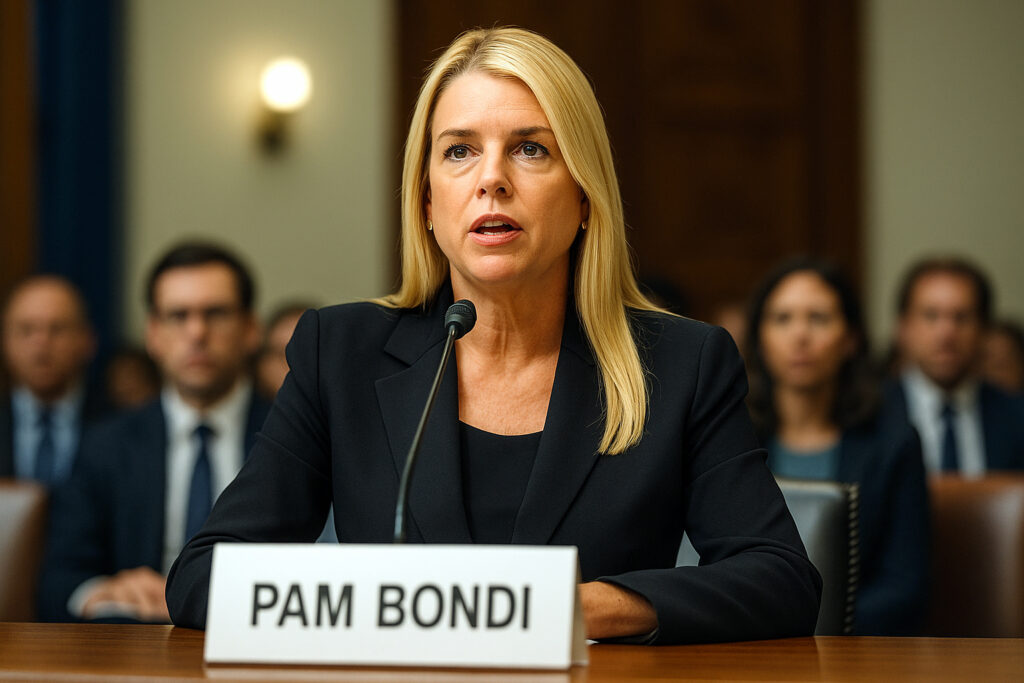
AG Bondi

Pam Bondi, huh? You’ve got to hand it to her—she knows how to play the game. Whether it’s calling the shots as Florida’s Attorney General or stepping into the national spotlight with her fierce loyalty to Trump, she’s always got an eye on the next move.

She built her brand by hammering on Medicaid fraud and taking on pill mills—a real tough-on-crime type. But then she hitched herself to Trump’s wagon during the impeachment saga, putting herself front and center as his attack dog on cable news. That’s where she really made her mark—going all-in, defending Trump, and spinning stories like a pro. She knew that to make it in the MAGA universe, you had to be loud, relentless, and unapologetically on message. Bondi did that with flair.

Now she’s sitting in the Attorney General’s chair, and I can’t help but wonder if it’s just another rung on the political ladder for her. She’s ambitious, no doubt about it, and she knows how to work the angles. But the thing is, her loyalty always seems to flow in one direction—up. She’s not exactly the grassroots champion some folks hoped for back in her Florida days.

You don’t get that far without a knack for self-promotion and a talent for staying on the right side of the power equation. Bondi’s not stupid—she knows that as long as Trump’s in the picture, being his staunch defender keeps her relevant. She’s betting on the long game, and right now, she’s still holding her cards close.

But her fawning supplication to Trump before the media is downright sickening. It’s like she’s taken the role of cheerleader-in-chief, parroting his lines with a grin plastered across her face as if loyalty alone is enough to buy political immortality. She’s tied herself so tightly to his brand that it’s hard to tell where Trump ends and Bondi begins.

But here’s the thing: when you tie yourself so tightly to one guy’s legacy, you’d better hope it holds up. If Trump’s star fades, what happens to Bondi’s? She’s made a career of riding political waves, but sometimes the tide turns. Will she sink or swim when that happens? That’s the real question.


Clown in Chief

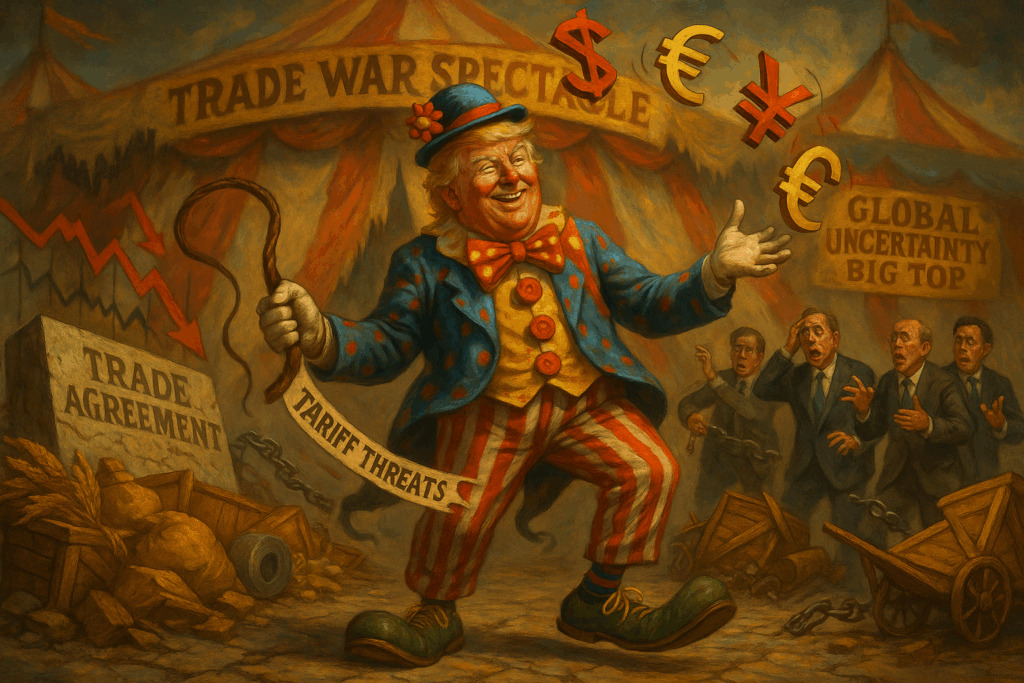
On May 8, 2025, in discussing President Trump’s trade policies on his show, Lawrence O’Donnell referred to the President as an economically illiterate clown at the center of his own trade war.
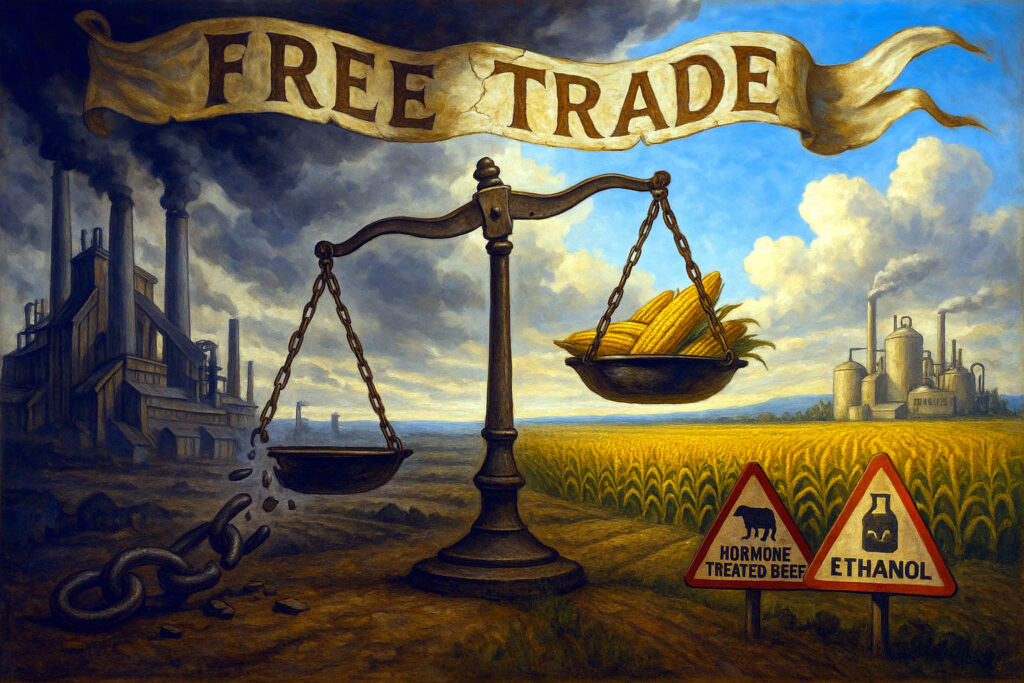
The much-anticipated UK–US trade deal, announced with characteristic fanfare by President Trump and Prime Minister Starmer, has been billed as a historic achievement—a testament to the ‘special relationship’ that supposedly transcends political friction and economic disparity. But beyond the spectacle of handshakes and soundbites lies a more complicated narrative—one that speaks more to political symbolism than substantive economic reform.
A Shallow Victory for British Industry

At the core of the agreement is a reduction in U.S. tariffs on British car exports, dropping from a stifling 27.5% to a more manageable 10% for up to 100,000 vehicles annually. For the UK’s automotive sector, still reeling from Brexit’s trade disruptions, this is a welcome reprieve. Yet, it is hardly the sweeping victory Downing Street would have the public believe. The cap at 100,000 vehicles limits the potential growth, ensuring that American manufacturers retain dominance in their domestic market while offering Britain just enough of a concession to claim progress.

In exchange, the UK has agreed to lower tariffs on 13,000 tonnes of U.S. beef and 1.4 billion liters of American ethanol, a move that has already sparked concern among British farmers. The irony, of course, is that this concession arrives on the back of post-Brexit promises to prioritize domestic producers. Hormone-treated beef and ethanol imports raise the specter of regulatory dilution—a specter that Parliament will struggle to exorcise.

Steel, Aluminum, and the Illusion of Progress

Eliminating the Trump-era 25% tariffs on UK steel and aluminum exports is perhaps the most tangible victory within this agreement. British manufacturers, long hamstrung by the levies, now have an opportunity to regain competitive footing. Yet, this victory is tempered by the maintenance of a 10% baseline tariff on most British goods entering American markets—a clear signal of protectionist policy that belies the notion of truly free trade.

It is the kind of half-measure that underscores the limitations of the deal. For all its bluster, this is not a comprehensive free trade agreement. Digital services, artificial intelligence regulation, and cultural industry protections remain conspicuously unresolved, leaving major sectors of both economies untouched by the supposed breakthrough.

Political Spectacle over Substance

There is a kind of grim predictability in the theater of it all. For Trump, the deal is a chance to posture as a kingmaker in international trade, to show strength on the world stage as he enters his second term. For Starmer, it is an opportunity to project British relevance, to suggest that post-Brexit Britain can indeed forge powerful bilateral agreements outside the European sphere. But beneath the surface lies the stark reality: this is a transactional arrangement, not a transformative one.

Conclusion: A Step Forward or a Sideways Shuffle?

The true measure of any trade deal is not in the headlines it generates, but in the economic realities it creates. For now, British farmers brace for competition, steel and aluminum manufacturers prepare for modest relief, and American agricultural exports eye new markets. Whether this is the beginning of a strengthened transatlantic relationship or merely a political stage play remains to be seen. But one thing is clear—when political theater takes precedence over economic foresight, the curtain often falls on those least prepared for the consequences.

The Historic Election of Pope Leo XIV: A New Era for the Catholic ChurchA Historic First for the Catholic Church

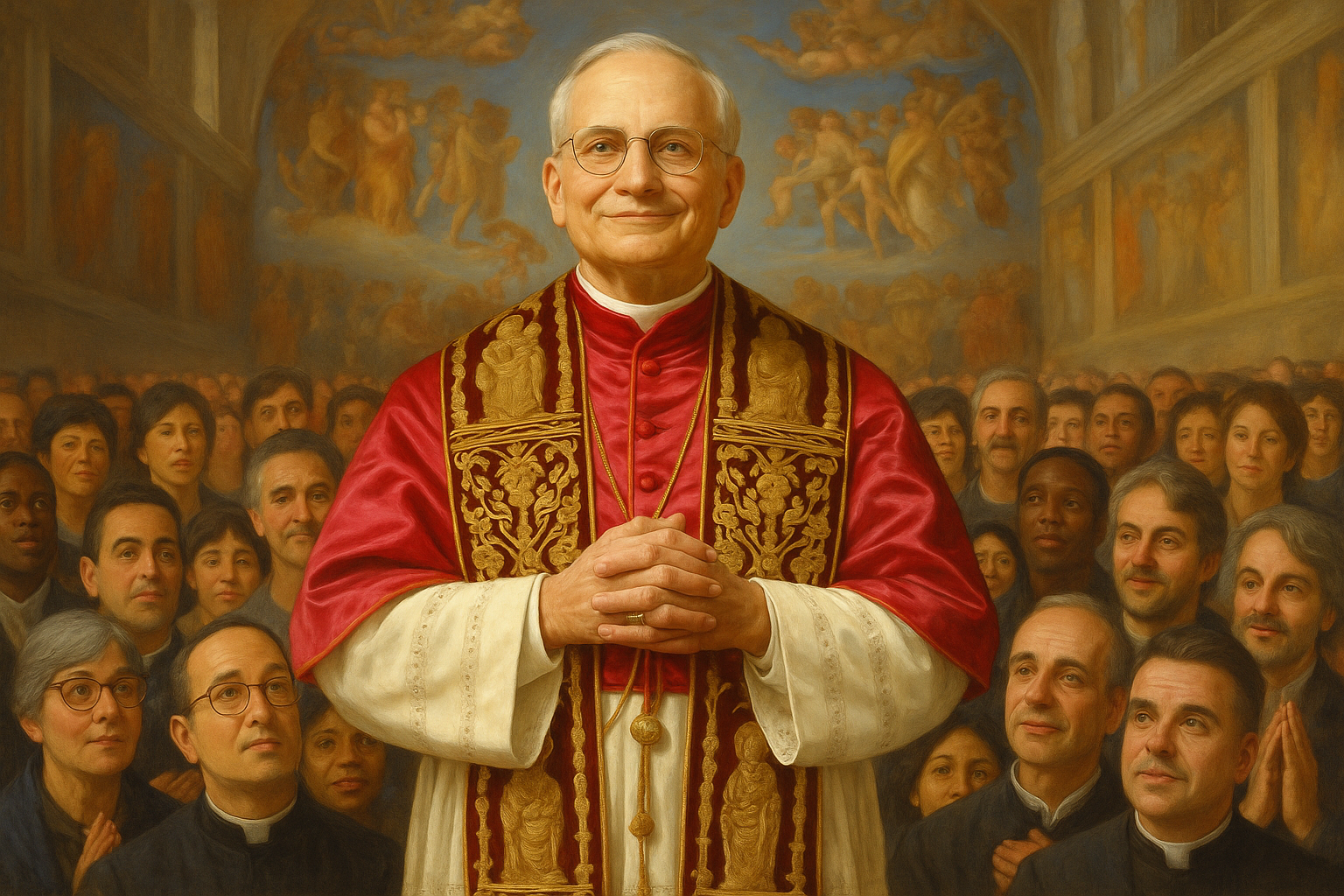
On May 8, 2025, the world witnessed a historic event—the election of Pope Leo XIV as the 267th leader of the Roman Catholic Church. Formerly known as Cardinal Robert Francis Prevost, his election marks the first time an American has ascended to the papacy. Yet, what makes this even more profound is his diverse ethnic heritage—a rich tapestry of Italian, French, Afro-Haitian, and Creole roots.

A Legacy of Diversity

Pope Leo XIV’s ethnic background is emblematic of the Church’s global reach and evolving demographics. His father, Louis Marius Prevost, carried Italian and French heritage, while his mother, Mildred Martínez Prevost, contributed Afro-Haitian and Black Creole ancestry with deep French and Spanish influences. This makes him the first pope with documented Black African ancestry since the 5th century—a historical milestone that echoes the Church’s shifting center of gravity towards more diverse populations.

The roots of his maternal heritage trace back to New Orleans’ 7th Ward, a community known for its rich Creole culture, blending African, French, and Spanish influences. This unique background not only positions Pope Leo XIV as a bridge between different cultures but also as a living symbol of inclusivity in one of the world’s oldest institutions.

An International Perspective

Before ascending to the papacy, Pope Leo XIV served extensively in Peru, even becoming a naturalized citizen. His time in Latin America allowed him to immerse himself in the struggles and faith of one of the fastest-growing Catholic regions. Fluent in six languages—English, Spanish, Italian, French, Portuguese, and Latin—his global perspective is unmatched, setting the stage for a papacy that may prioritize issues of migration, social justice, and global equity.

A Sign of Progress and Reconciliation

The election of a pope with Afro-Haitian and Creole roots signifies more than just a symbolic nod to diversity—it is a concrete step toward reconciliation with historically marginalized communities. The Catholic Church’s legacy in colonized nations has been fraught with conflict, but Pope Leo XIV’s heritage may pave the way for healing and inclusion, especially in African and Caribbean communities where Catholicism’s role has been both profound and complicated.

The Path Forward

Pope Leo XIV’s election is not without its challenges. Traditionalist factions within the Church may resist the shift towards a more inclusive papacy. However, this resistance also represents an opportunity for dialogue and progress. His deep understanding of Latin American struggles, coupled with his Creole and Afro-Haitian background, positions him to address the Church’s historical inequities head-on.

As Pope Leo XIV steps into his role, the world watches not just the first American pope, but a leader whose roots embody the global Church. His papacy could very well redefine the narrative of Catholic leadership, opening the door to a broader, more inclusive understanding of faith that transcends borders and racial lines.

Conclusion

The election of Pope Leo XIV is a landmark moment in the history of the Catholic Church—a moment that symbolizes growth, diversity, and hope for a more inclusive future. His heritage is not merely a footnote but a proclamation: the Church is ready to embrace its diverse body of believers in a way it never has before.

British Disdain for American Spectacle

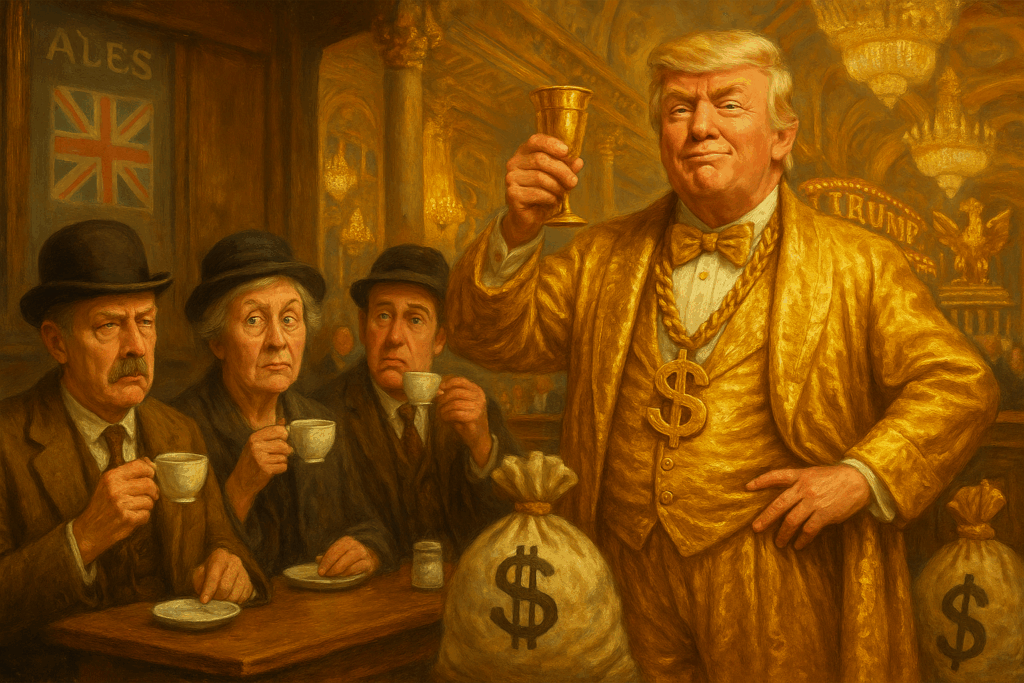
Donald Trump has always been a polarizing figure in American politics, but to many across the Atlantic, particularly in Britain, the reaction is a mix of disbelief and genuine confusion. What is it about Trump that so sharply contrasts with the sensibilities held by the British? It comes down to more than just policy; it’s about character—or, as they might say, the profound lack of it.
In Britain, certain qualities are traditionally admired: wit, charm, subtlety, and a sense of fair play. Historically, even the most bombastic British leaders had a streak of self-awareness and a knack for cleverness. Churchill’s sharp tongue came with a knowing grin; Thatcher’s iron will was tempered with an understanding of the game. Boris Johnson, for all his buffoonery, can at least turn a phrase. Trump, on the other hand, is seen as profoundly graceless—a man who bulldozes through discourse with all the elegance of a wrecking ball and none of the strategic foresight.

To the British, wit is not optional; it is essential. A sharp mind must be matched with a sharper tongue, wielded with precision and irony. Trump’s attempts at humor, often crass and self-congratulatory, fall flat. There is no punchline, no double entendre, no clever twist. Just blunt force, wielded without grace. It is the kind of humorless ranting that would struggle to fill a pub, let alone command respect.

Class and humility also matter in British society. Even the privileged are expected to display a certain decorum—a sense of obligation to those less fortunate. Trump’s public persona, drenched in excess and braggadocio, is the antithesis of this. To the British, it is the swagger of a man who inherited wealth and power but never learned the quiet confidence that true leadership demands. His critics would argue that his wealth is worn like a badge rather than a responsibility, a testament not to achievement, but to opportunity hoarded and flaunted.

Then there is the matter of cruelty. Perhaps most bewildering to those across the pond is Trump’s apparent comfort with punching down. Whether it’s mocking a disabled reporter, belittling political opponents, or demeaning entire communities, his instinct seems to be one of domination rather than discourse. In British culture, there is an unwritten rule—one simply does not punch down. True strength is measured by how one treats those without power, and Trump’s record on this front is, at best, troubling.

But perhaps the most perplexing thing for the British is not Trump himself, but his support base. It is the paradox of watching a nation that prides itself on kindness and fair play embrace someone who so openly defies those principles. The British have long held Americans in high regard as a kind and generous people, so the endorsement of Trump’s behavior is met with bewilderment. How does a nation known for its generosity and optimism rally behind someone so divisive and mean-spirited?

To many in Britain, Trump is not just a bad politician—he is an anomaly. A departure from the norms of statesmanship and a rejection of the qualities they hold dear. It is less about his policies and more about his person; a puzzle yet unsolved, and perhaps unsolvable. Trump represents the antithesis of what British culture admires—not just because of his policies, but because of his manner, his ethos, and his brazen defiance of decency. To a British sensibility, it’s as if America handed the keys to a reality show antagonist and called it leadership. And the world has been left watching, jaw agape, wondering when the curtain will finally close.

They Stood There Anyway

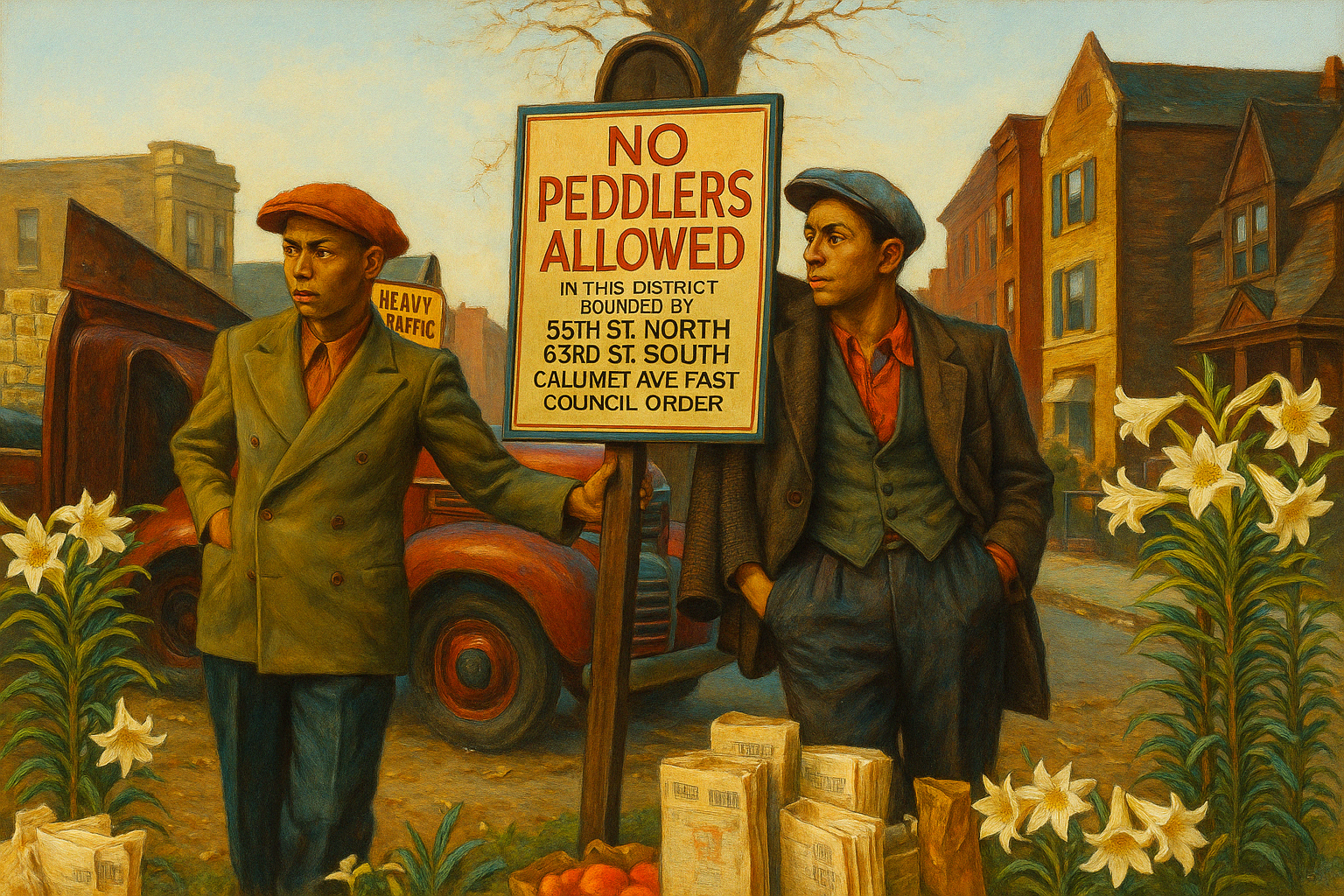
On Easter morning in April 1941, two young men stood beside a sign that made their very presence a quiet act of defiance. The sign shouted in capital letters: “NO PEDDLERS ALLOWED.” Beneath it, boundaries were drawn — lines meant to keep certain people out. But they stood there anyway.

Photographer Russell Lee captured that moment on Garfield Boulevard in Chicago, at a time when the country was emerging from the Great Depression and inching toward war. Jobs were scarce. Laws were uneven. Rules — like the one on that sign — were often aimed at the people who could least afford to follow them.

In this reimagining, the scene is not simply recorded but interpreted. The painterly lens gives it dignity, warmth, and weight. The men wear the same coats, stand in the same pose. The lilies still bloom. The papers and peaches still wait to be sold. But the light has changed — soft, golden, almost reverent. They are not lawbreakers. They are part of the American story.

The sign still says what it says.
But now, we see who’s standing beside it.


Original Photograph Information:

  • Original Title: Peddlers on Easter morning on Garfield Boulevard, Chicago, Illinois
  • Photographer: Russell Lee (1903–1986)
  • Date: April 1941
  • Medium: 1 safety negative, 35mm
  • Collection: Farm Security Administration / Office of War Information (FSA/OWI)
  • Rights: Public domain; no known restrictions
  • LOC Call Number: LC-USF33-013009-M5 [P&P]
  • Repository: Library of Congress, Prints and Photographs Division
  • Permalink: https://www.loc.gov/pictures/item/2017743662/

This is The Past, Reimagined Like Rockwell #5.

I Have Here in My Hand…

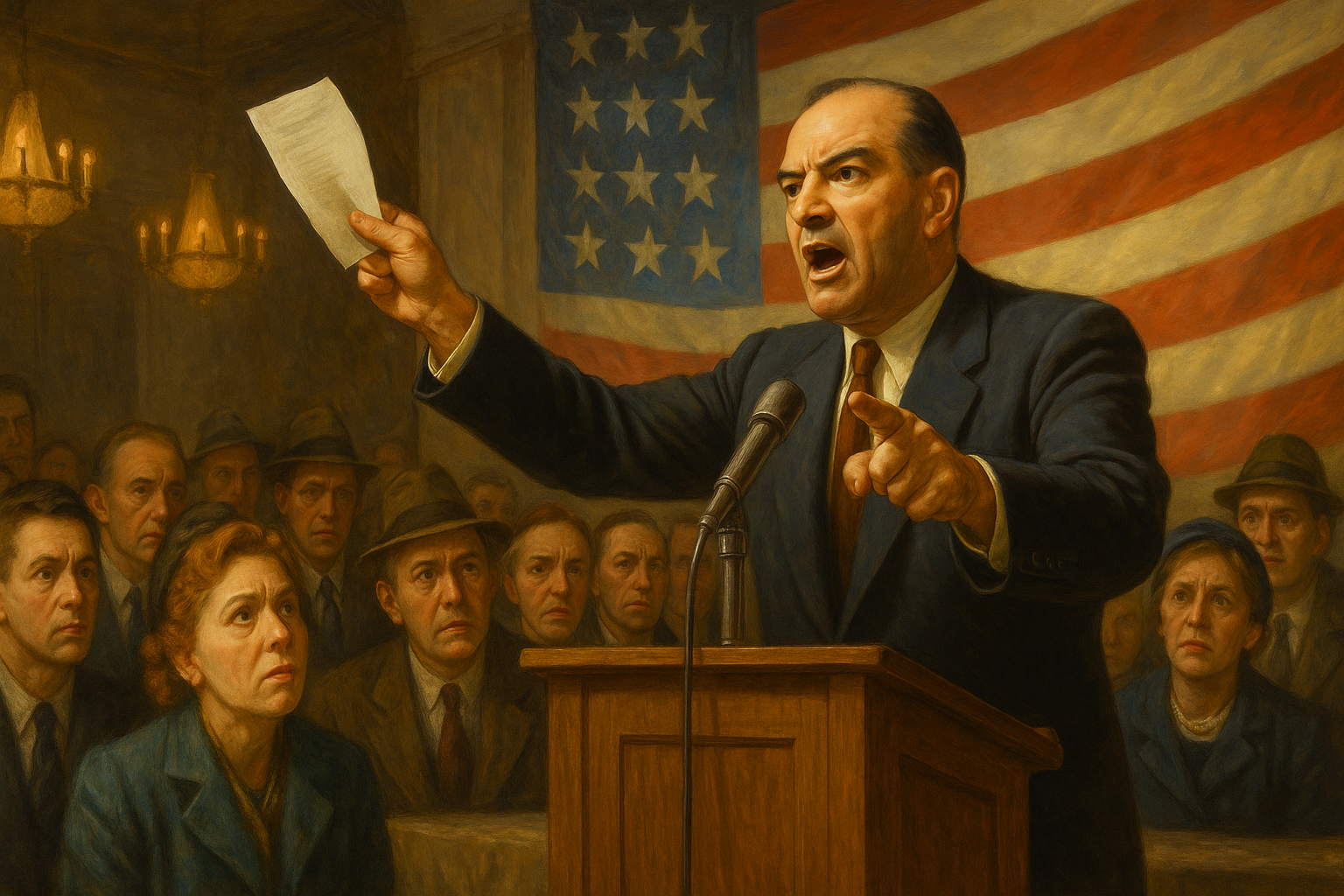
1950s scene in a hotel ballroom in Wheeling, West Virginia. A medium-built, balding man in a dark suit (Joseph McCarthy) stands behind a podium, holding a paper aloft in one hand, mid-speech

Date: February 9, 1950
Location: Wheeling, West Virginia
Scene: A dim ballroom, a clenched fist, and a paper waved in the air. The moment fear got a face.

A Picture of Panic, Painted in Real Time

It’s all there in the eyes.

The senator’s mouth is open mid-sentence, his right hand stabbing the air, his left brandishing a paper like a warrant of arrest. Behind him, a flag. In front of him, a sea of stony, worried, startled faces.

Joseph McCarthy isn’t just making a speech. He’s declaring war. Not against an enemy abroad — but one he claims is already here. Hidden. Embedded. Betraying America from within.

What started as an off-the-cuff decision to deliver his “red scare” speech at a Lincoln Day dinner in Wheeling became one of the most destructive inflection points in modern American history.

The Crowd Never Knew What Hit Them

They came for a dinner, a few jokes, maybe a toast to freedom.

What they got was a senator claiming communists were working inside the State Department.

“I have here in my hand a list of 205 that were made known to the Secretary of State as being members of the Communist Party …” McCarthy bellowed.

One woman froze. A man leaned forward. A reporter lifted his pen. The room held its breath. The warmth of the chandeliers clashed with the chill McCarthy unleashed.

It wasn’t truth they heard. It was theater.

A Nation Primed for the Fall

The Cold War had already seeded distrust. The Soviets had detonated a bomb. China had fallen. Whispers of spies echoed in every corridor. McCarthy didn’t need proof — just panic. And the press ran with it.

The fallout came fast:

  • Thousands of federal employees lost their jobs.
  • Blacklists decimated Hollywood and academia.
  • Friendships, careers, and lives were shattered.
  • All sparked by one sheet of paper no one ever saw.

📜 Sidebar: How McCarthy’s Claims Escalated

(Just a few examples:  By conservative estimates, between 1950 and 1954, well over 30,000 to 40,000 articles were published in the U.S. that referenced or discussed McCarthy, with many thousands more globally.)

Feb 10, 1950 – “Claims 205 Reds Aid To Shape U.S. Policy”
Source: Waterloo Region Record (Canada)
McCarthy claims 205 communists are shaping State Department policy. No names offered.

Feb 10, 1950 – “Denies Red Charge”
Source: Corning Daily Observer (CA)
The State Department swiftly denies the claim. Spokesman: “We know of no Communist Party members.”

Feb 11, 1950 – “McCarthy Prepares to List Communists at GOP Session”
Source: Reno Gazette-Journal (NV)
McCarthy promises to name 57 individuals cleared by loyalty boards but still employed by the government.

Feb 14, 1950 – Speech in Las Vegas
Source: Beaver Dam Daily Citizen (WI)
Targets John W. Service, claims he’s determining U.S. policy in India after allegedly failing loyalty review.

Mar 14, 1950 – “McCarthy Charges State Dept. Hired Man Labelled Red Spy”
Source: Elmira Star-Gazette (NY)
McCarthy accuses Gustavo Durán, a former Spanish officer and U.N. diplomat, of being a Soviet agent.

Mar 14, 1950 – “United Nations Official Labeled Red by McCarthy”
Source: Honolulu Star-Bulletin (HI)
Expands accusations to U.N. officials, CIA staff, and reiterates discredited claims. Sec. Acheson rebuts: “Absolutely zero.”

Mar 12, 1951 – “Peterson Gives Childs Hope”
Source: Wisconsin State Journal
McCarthy threatens to release names of Alger Hiss defense fund donors. State Rep. Arthur Peterson denounces McCarthy on the Assembly floor, warning of lasting damage to liberty and the GOP.

Reimagining the Moment

We placed this scene in the world of Norman Rockwell — not because it deserves sentimentality, but because it demands realism. In this light, every wary face becomes a witness. Every twitch of a hand, a question. Every word, a match striking panic.

The End of the Line

McCarthy’s crusade burned hot — until he turned his fury on the Army. The hearings were televised. Americans saw the bullying for themselves. The Senate censured him in 1954. He died of alcoholism in 1957. His name, however, never left the dictionary.

McCarthyism: The practice of making accusations of subversion without evidence. The politics of fear. The art of the smear.

Why We Remember

Because this moment — this image — is not history’s relic. It’s a warning.
Because fear always finds a microphone.
And because somewhere out there, someone is waving a paper again.


🔗 Related Posts:

Hashtags for Social Media:
#ThePastReimagined #JosephMcCarthy #WheelingSpeech #McCarthyism #ColdWar #RockwellStyleHistory #HistoricalReckoning

This is The Past, Reimagined Like Rockwell #6.

A Quiet Sunday in Wartime Arlington

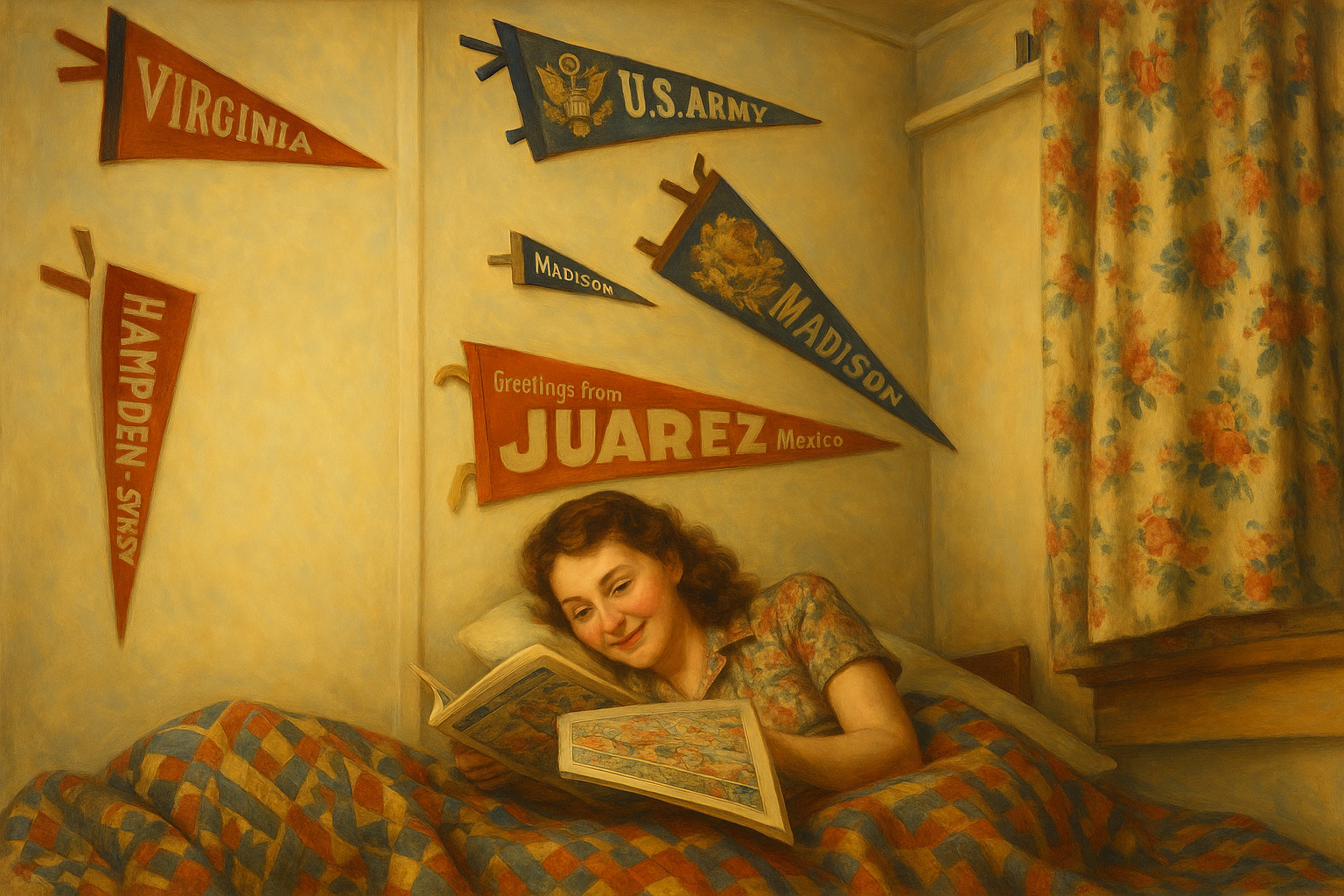
This image is a reimagined artistic rendering in the style of Norman Rockwell, based on an original 1943 photograph by Esther Bubley for the U.S. Office of War Information.

In the spring of 1943, amidst the uncertainties of global war, a young woman found a moment of peace in a modest dormitory room at Arlington Farms. Nestled under a patchwork quilt, she read the Sunday comics with a soft smile, her world briefly narrowed to the comforting rhythm of inked panels and gentle humor.

This modern reinterpretation honors that moment, drawing inspiration from Bubley’s original photograph and the narrative charm of Norman Rockwell’s paintings. The oil-style rendering highlights warm textures, inviting lighting, and small domestic details that celebrate the quiet dignity of women who supported the war effort from behind the scenes.

The setting is Idaho Hall, part of a complex in Arlington, Virginia, that housed thousands of female government workers during World War II. Built for utility, these dormitories became vibrant communities. Bubley’s lens—and this reimagining—transform one woman’s quiet Sunday into a timeless portrait of resilience and routine.

The room’s pennants, floral curtains, and modest furnishings reflect a sense of individuality and hope, even in temporary quarters. This is not just an archival reference—it’s a tribute to the personal lives that unfolded during wartime, far from the front lines but essential to the nation’s survival.

Note: The image featured here is a contemporary AI-generated painting. It is not the original photograph, but a respectful homage that seeks to evoke the emotion and atmosphere of the historic scene.


Original Photograph Information:

  • Title: Arlington, Virginia. Reading the Sunday comics in a single room in Idaho Hall, Arlington Farms, a residence for women who work in the United States government for the duration of the war
  • Photographer: Esther Bubley
  • Date: May 1943
  • Original Format: 1 nitrate negative; 2¼ × 2¼ inches
  • Reproduction Number: LC-USW3-029050-E
  • Call Number: LC-USW3-029050-E [P&P] LOT 763
  • Repository: Library of Congress, Prints and Photographs Division
  • Rights: Public domain – no known restrictions

This is The Past, Reimagined Like Rockwell #4.