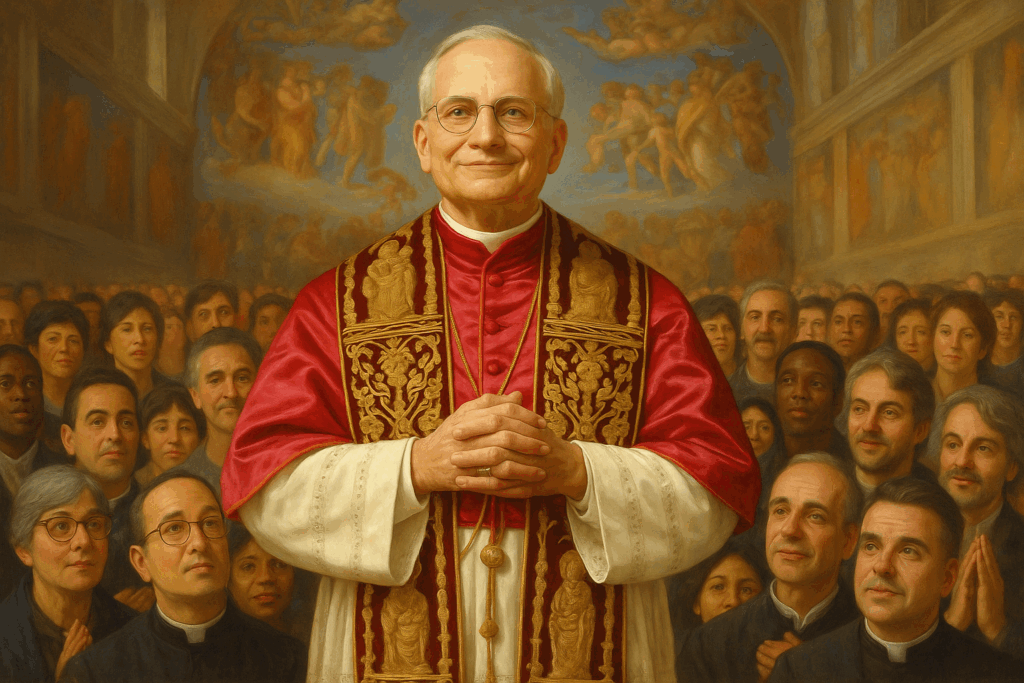
 A Historic First for the Catholic Church
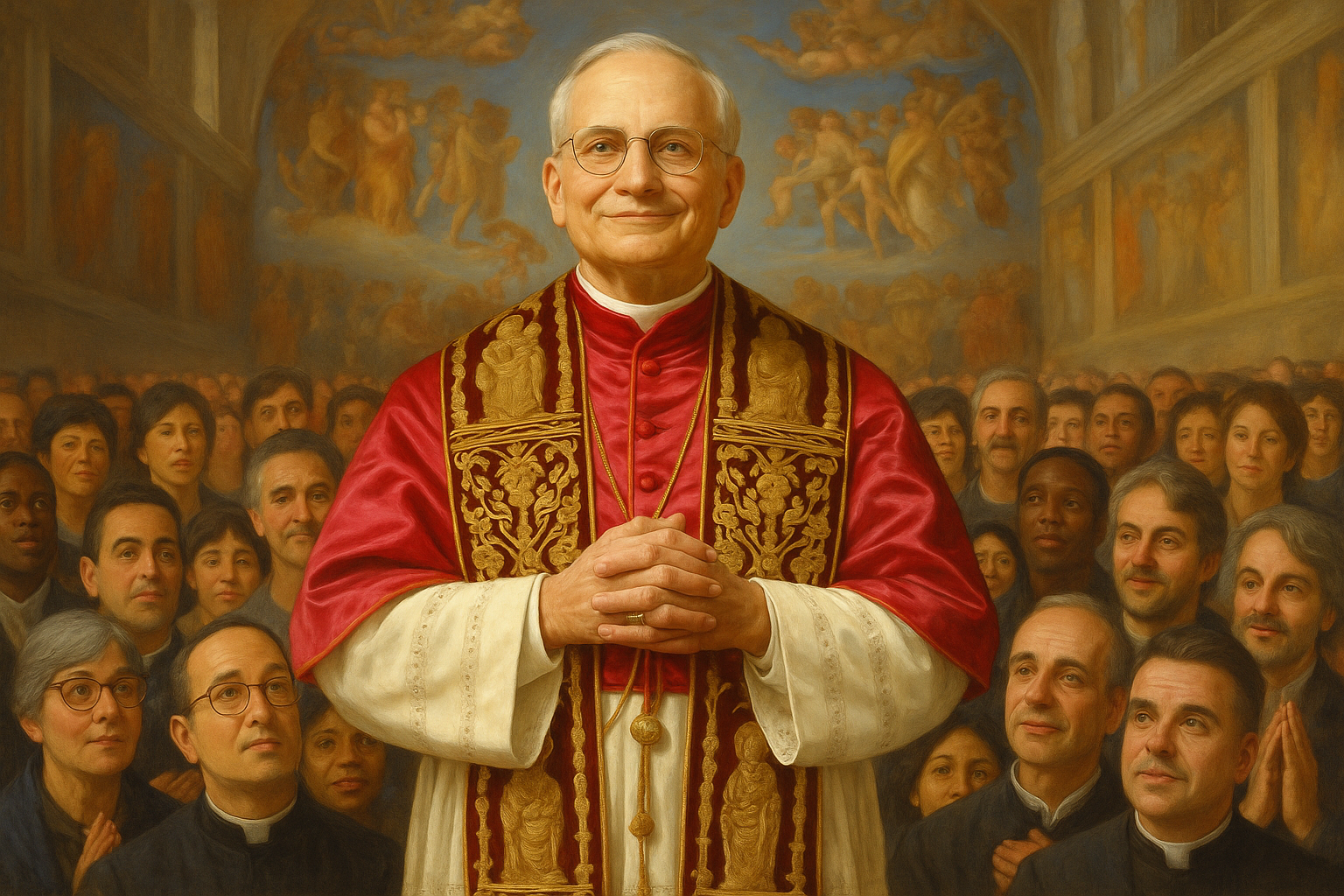
On May 8, 2025, the world witnessed a historic event—the election of Pope Leo XIV as the 267th leader of the Roman Catholic Church. Formerly known as Cardinal Robert Francis Prevost, his election marks the first time an American has ascended to the papacy. Yet, what makes this even more profound is his diverse ethnic heritage—a rich tapestry of Italian, French, Afro-Haitian, and Creole roots.
A Legacy of Diversity
Pope Leo XIV’s ethnic background is emblematic of the Church’s global reach and evolving demographics. His father, Louis Marius Prevost, carried Italian and French heritage, while his mother, Mildred Martínez Prevost, contributed Afro-Haitian and Black Creole ancestry with deep French and Spanish influences. This makes him the first pope with documented Black African ancestry since the 5th century—a historical milestone that echoes the Church’s shifting center of gravity towards more diverse populations.
The roots of his maternal heritage trace back to New Orleans’ 7th Ward, a community known for its rich Creole culture, blending African, French, and Spanish influences. This unique background not only positions Pope Leo XIV as a bridge between different cultures but also as a living symbol of inclusivity in one of the world’s oldest institutions.
An International Perspective
Before ascending to the papacy, Pope Leo XIV served extensively in Peru, even becoming a naturalized citizen. His time in Latin America allowed him to immerse himself in the struggles and faith of one of the fastest-growing Catholic regions. Fluent in six languages—English, Spanish, Italian, French, Portuguese, and Latin—his global perspective is unmatched, setting the stage for a papacy that may prioritize issues of migration, social justice, and global equity.
A Sign of Progress and Reconciliation
The election of a pope with Afro-Haitian and Creole roots signifies more than just a symbolic nod to diversity—it is a concrete step toward reconciliation with historically marginalized communities. The Catholic Church’s legacy in colonized nations has been fraught with conflict, but Pope Leo XIV’s heritage may pave the way for healing and inclusion, especially in African and Caribbean communities where Catholicism’s role has been both profound and complicated.
The Path Forward
Pope Leo XIV’s election is not without its challenges. Traditionalist factions within the Church may resist the shift towards a more inclusive papacy. However, this resistance also represents an opportunity for dialogue and progress. His deep understanding of Latin American struggles, coupled with his Creole and Afro-Haitian background, positions him to address the Church’s historical inequities head-on.
As Pope Leo XIV steps into his role, the world watches not just the first American pope, but a leader whose roots embody the global Church. His papacy could very well redefine the narrative of Catholic leadership, opening the door to a broader, more inclusive understanding of faith that transcends borders and racial lines.
Conclusion
The election of Pope Leo XIV is a landmark moment in the history of the Catholic Church—a moment that symbolizes growth, diversity, and hope for a more inclusive future. His heritage is not merely a footnote but a proclamation: the Church is ready to embrace its diverse body of believers in a way it never has before.