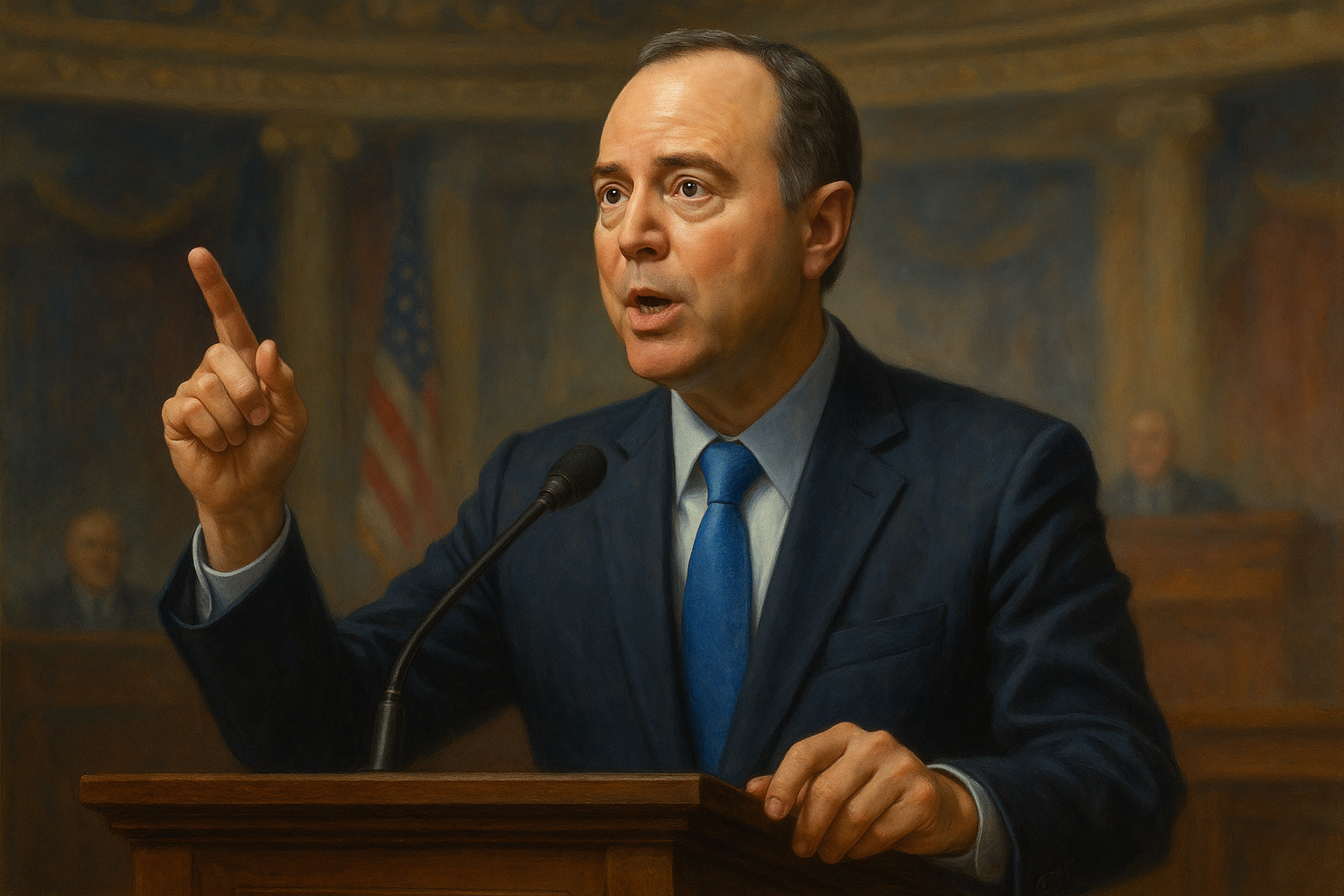
Adam Schiff and the Thin Line Between Integrity and Illusion

In the scorched landscape of American governance, where accountability is often a talking point rather than a practice, Adam Schiff stands as both symbol and test case. The man who once prosecuted Soviet espionage now finds himself navigating a Senate chamber where truth is not self-evident and loyalty to the Constitution is negotiable.

Schiff’s public image—architect of impeachment, voice of measured outrage, tireless advocate for transparency—has been burnished by the fires of the Trump era. He played his part with precision: leading the House Intelligence Committee through the Russia investigation, serving as impeachment manager during the first Trump trial, and enduring a retaliatory censure in 2023 by the House GOP for doing his job too effectively. If you’re charting the fall of democratic norms, that censure isn’t just a footnote—it’s a flare.

But let’s not romanticize the résumé. Schiff is not a revolutionary. He is a constitutionalist—one of the last, perhaps—who still believes institutions can hold. That belief is what earned him enemies in the MAGA camp and allies among those clinging to procedural sanity. It’s also what raises questions: Is fidelity to process enough in an age of manufactured crises and weaponized disinformation?

His elevation to the Senate in 2024, stepping into the void left by Dianne Feinstein, was less a coronation than a transfer of guardianship. He now serves on the Judiciary Committee—a frontline position in the slow-motion collapse of legal and moral precedent. He also sits on Agriculture and Small Business, which might seem like a sidestep until you realize those arenas are now battlegrounds too: funding fights, regulatory sabotage, and corporate consolidation hiding under populist slogans.

Schiff’s legislative record is meticulous. He’s advocated for juvenile justice, community housing, sanctions against bad actors abroad. He knows how to write a clean bill, give a crisp floor speech, and work the angles of committee politics. But here’s the core question: can a man who plays by the rules survive in a system where the rules are optional for others?

His critics call him performative. His supporters call him principled. Both might be right. In an era where firebrands and fascists dominate the airwaves, Schiff’s restraint can look like weakness or wisdom depending on what you value more: impact or integrity.

What is clear is this: Schiff represents the vanishing ideal that truth can still be legislated, or at least defended. He’s not the answer to authoritarian rot, but he’s a dam holding back the flood. The cracks are visible. The water’s rising.

And he’s still standing.
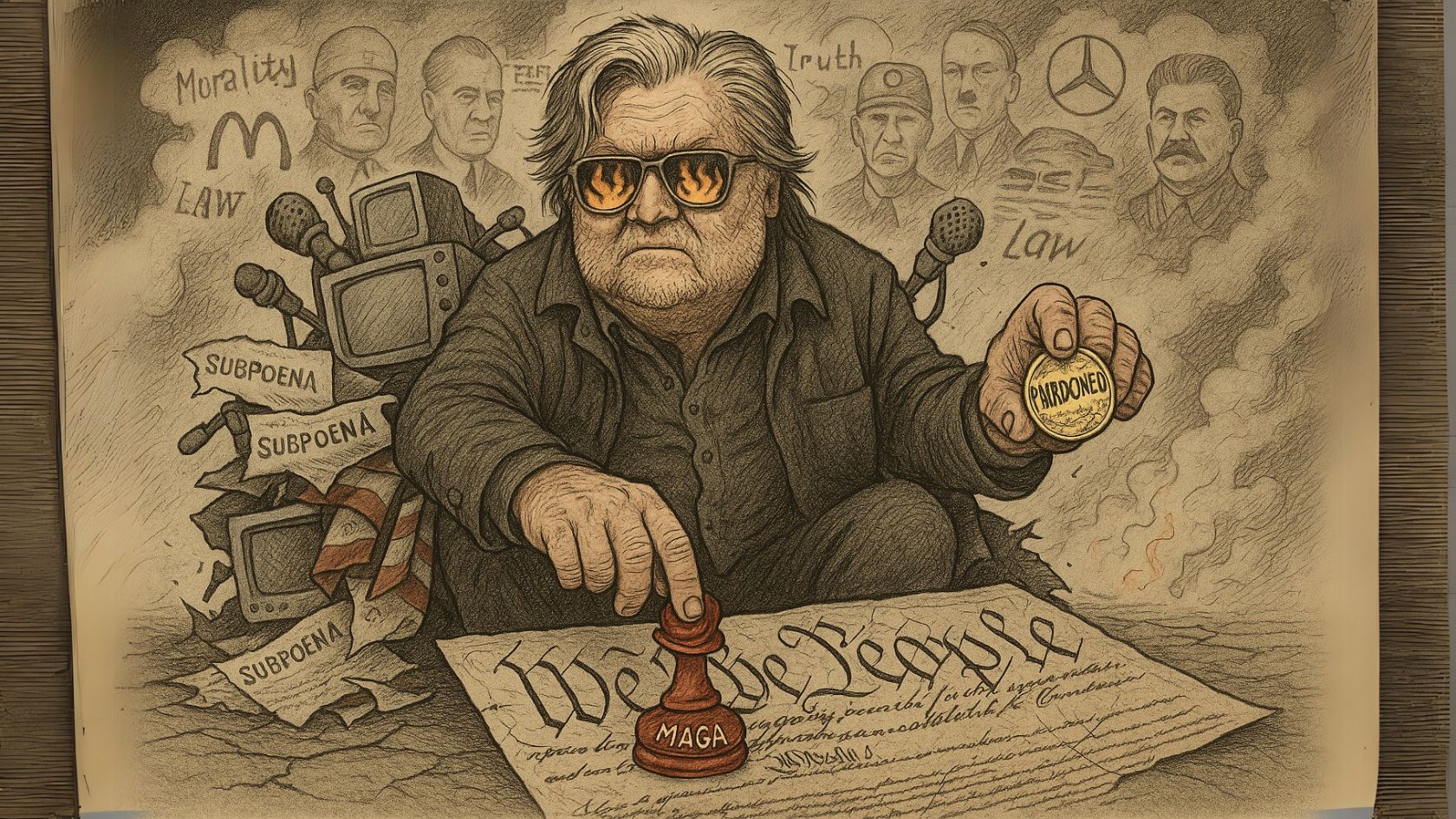
Steve Bannon: The Architect of Disinformation

There are political operatives, and then there are demolition men. Steve Bannon has always preferred the latter role.

To understand Bannon is to confront a paradox: a man who rails against elites while engineering systems that empower them. He has moved through finance, media, and politics like a pathogen with purpose—unseen until the fever breaks.

Bannon isn’t just a former strategist. He’s a doctrine in motion. A belief system packaged as populism, built atop nationalist rhetoric, weaponized media, and global far-right alliances. His résumé reads like a pipeline to chaos: Goldman Sachs, Breitbart, the Trump campaign, Cambridge Analytica, the so-called “War Room.” Each step, a carefully laid brick in a wall meant not to defend borders, but to corral minds.

And then there’s the money.

Let’s not forget the “We Build the Wall” scam—an ironic con wrapped in nationalist branding. Four men indicted. Bannon pardoned. Not exonerated, just spared the sentence. It’s the kind of footnote that defines modern authoritarianism: crime without consequence, provided your loyalty aligns with the right demagogue.

Bannon’s influence didn’t end with his White House exit. If anything, it metastasized. From Europe to Brazil to suburban school boards in America, his blueprint for right-wing radicalization has proven portable and profitable. He doesn’t just push disinformation—he teaches others how to profit from it.

What makes Bannon dangerous isn’t charisma or ideology. It’s strategy. The granular targeting of fear. The inversion of truth into narrative. The erosion of democratic trust, not by accident, but by design.

And make no mistake: the machinery he helped build is still running.

Fear Isn’t Fact: Dismantling a Dangerous Narrative

I came across a comment the other day that rattled off a long list of grievances—supposed proof that Biden had been “proven incompetent.” It read like a rage-filled chain email from 2004 that got a facelift for the MAGA era. Let me lay it out:

Biden was incompetent and that has now been proven. I need explanation on many wrongs that have put the American people in peril such as: opening the borders his first day in office and supplying the illegals with housing, food, healthcare and many more amenities. Our people have been raped, murdered and accosted by illegals. A lot of the illegals are Muslim, which is a severe danger we may never get control of, especially against women. Other concerns are covid which was a lie from the beginning by the ‘competent persons he surrounded.’

That’s a mouthful—and a minefield. But let’s break it down.

First, the border was never “opened.” That’s a political scare tactic. Biden rolled back some of Trump’s more draconian measures, but border enforcement never stopped. Immigrants didn’t just stroll across and get handed luxury perks. In fact, most face brutal conditions, long delays, and little to no aid—except what comes from nonprofits or strapped city governments.

Second, this idea that undocumented immigrants are on some sort of violent rampage? Total fiction. Immigrants, documented or not, commit fewer crimes than native-born citizens. And singling out Muslims as a “severe danger” isn’t just wrong—it’s dangerous. It’s the kind of talk that leads to hate crimes and division, not solutions.

As for COVID being a “lie”? Over a million Americans died. You can criticize how the Biden team handled it—we all should—but pretending the pandemic wasn’t real spits in the face of every family who buried someone.

This isn’t about defending Biden. I’ve got my own bones to pick with him, and with every president who dances for donors while the working class eats dust. But if we’re going to fight for truth and a future worth living in, we’ve got to start with reality—not conspiracy theory chainmail dressed up as patriotism.

Let’s stop fighting shadows. The real enemy isn’t at the border—it’s already in the boardroom, the courtroom, and sometimes behind the microphone feeding us fear.


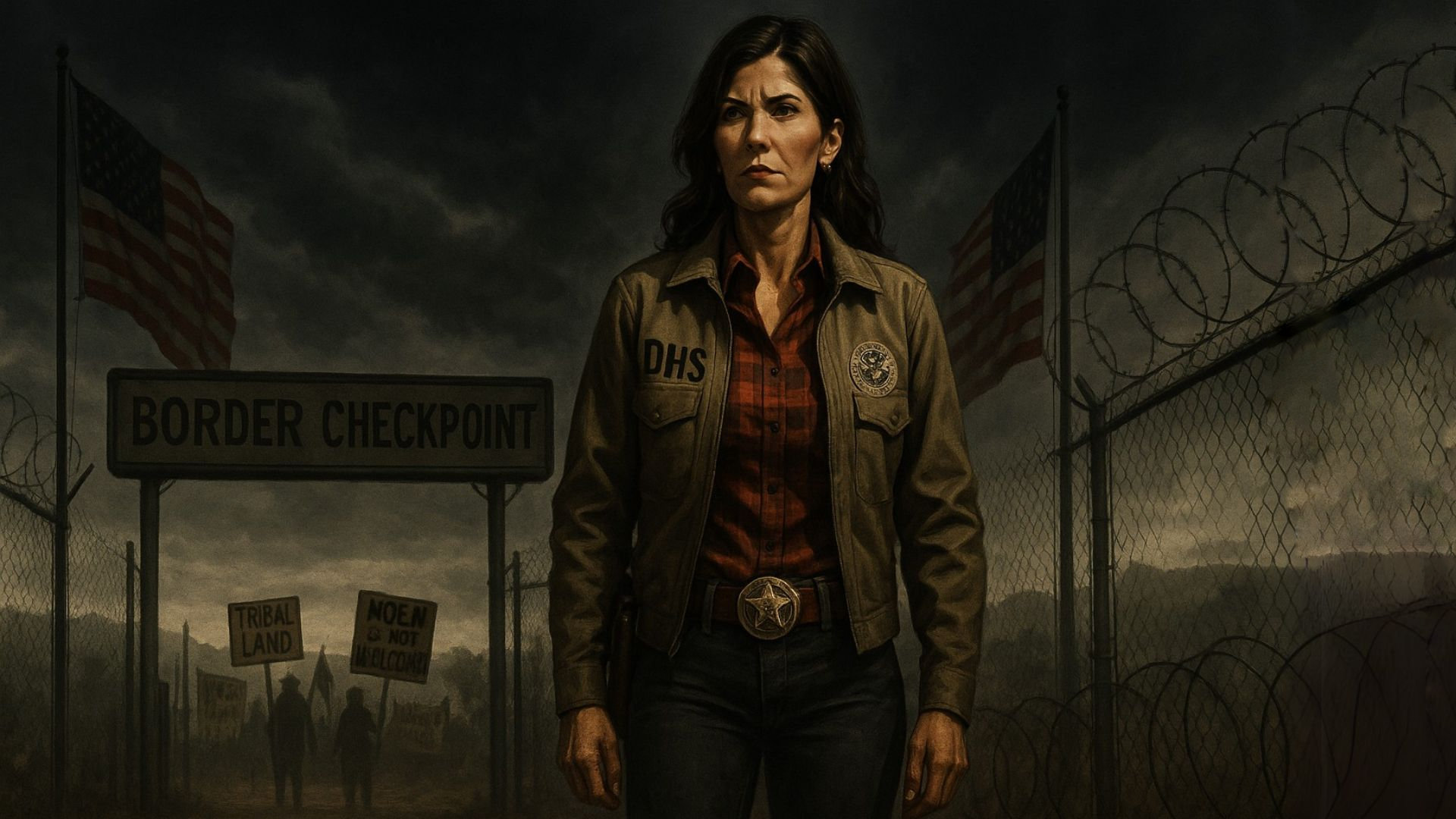
From the Prairie to the Police State: Kristi Noem’s Homeland Agenda

In a political era defined by erosion—of norms, of rights, of any semblance of governmental restraint—Kristi Noem’s rise feels less like an anomaly and more like inevitability. She was molded in the political petri dish of South Dakota: low-regulation libertarianism on the surface, rigid authoritarianism just beneath. The national stage simply offered her a bigger spotlight.

Noem’s appointment as Secretary of Homeland Security in Donald Trump’s second term should have raised alarms. But by 2025, the public had already been desensitized to the absurdity of a political climate where cruelty passes for competence. Her qualifications? A record of performative defiance, soundbites on “freedom,” and a willingness to ignore tribal sovereignty and epidemiological science alike.

Now, installed as DHS Secretary, Noem commands a sprawling security apparatus. And she’s wielding it with the kind of zeal only the converted possess. Noem didn’t spend her early years championing federal power. Quite the opposite—her time in Congress and as South Dakota governor was a steady stream of states’ rights rhetoric. Yet once handed the keys to one of the most powerful agencies in government, she did what nearly every pseudo-libertarian does when given power: she turned the car straight into people’s lives.

In just months, she’s orchestrated immigration raids on sanctuary cities, suspended protected statuses, and reintroduced rhetoric that mirrors the darkest chapters of nativist American policy. This is not border security—it’s political theater with a police state understudy.

Then there’s her ongoing feud with South Dakota’s tribes. Noem, banned from all nine tribal lands, escalated a manufactured war by linking tribal leaders to drug cartels—an accusation as baseless as it is inflammatory. It was a message, not to Native communities, but to a MAGA base addicted to fear and spectacle. The same base cheered when she shared a story about killing her own dog and goat—an anecdote meant to showcase “toughness,” but which revealed something more chilling: a willingness to sanitize cruelty if it earns applause.

Noem exemplifies what happens when performative populism fuses with unchecked federal power. She talks ranch values and personal liberty while coordinating raids on immigrant communities and gutting humanitarian protections. Her duality isn’t contradiction—it’s strategy. The strongman optics require it.

She is no longer the “small-town farm girl” archetype she sells. She’s a federal enforcer in denim—an agent of this administration’s darker ambitions.

And she’s just getting started.


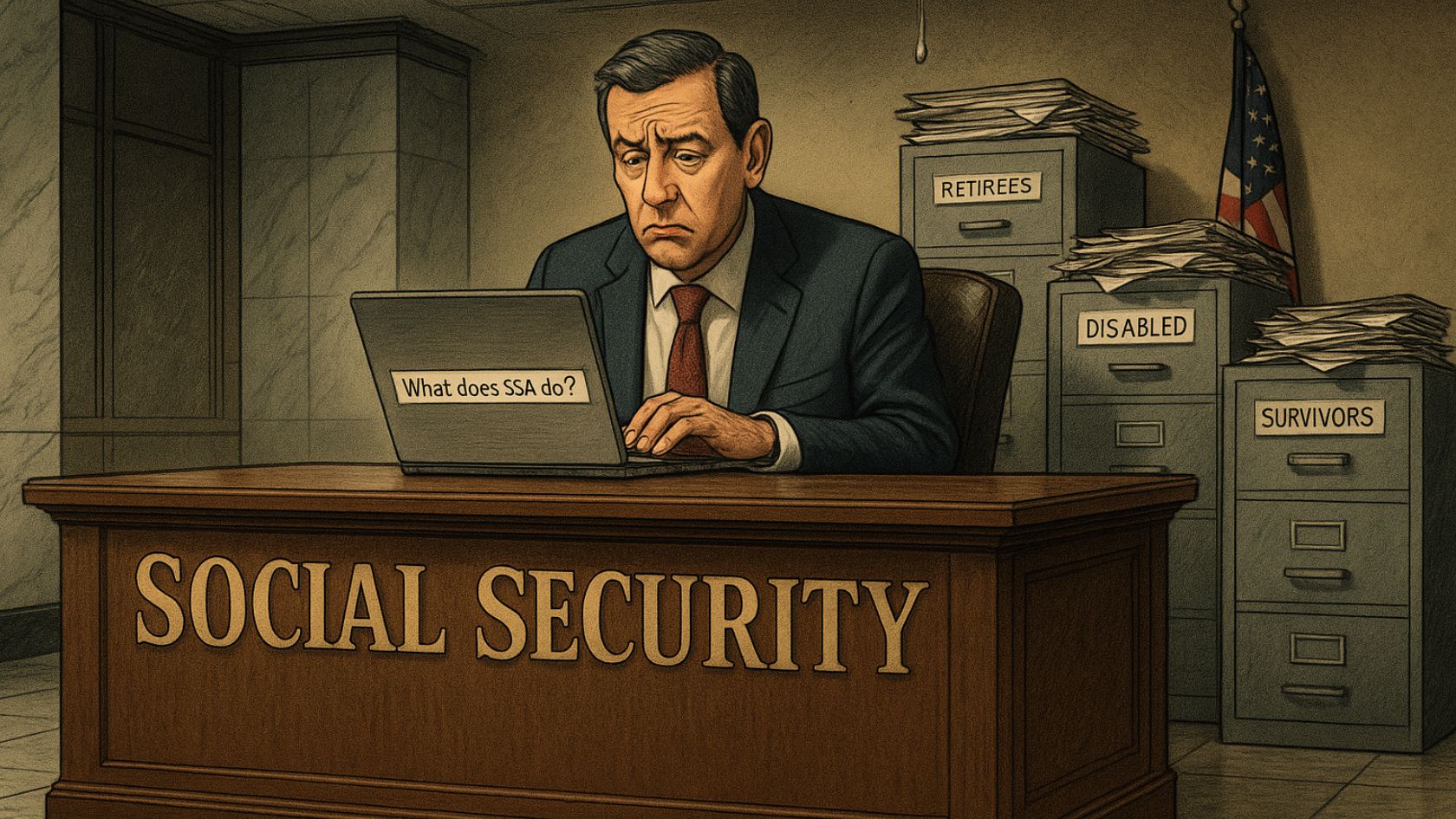
Frank J. Bisignano: Commissioner of Confusion

Frank Bisignano didn’t apply for the job. He didn’t study for it. He didn’t even know what it was. When Trump offered him the top seat at the Social Security Administration, the man in question reportedly had to Google what Social Security does. That’s not hearsay — that’s his own story, shared casually with employees during a town hall. His words, not ours.

Let that sink in.

This isn’t the head of a hedge fund or the CEO of a crypto startup. This is the person now overseeing the financial lifeline for 70 million Americans. Retirees. Disabled workers. Survivors. People who don’t get bailouts or golden parachutes.

So why him?

Simple. Loyalty and connections. Bisignano spent years climbing the corporate ladder at Citigroup, JPMorgan, First Data, and Fiserv. His loyalty to Trump and the broader corporate ecosystem — the one reshaping the government under the “Department of Government Efficiency” — got him the job. Qualifications? None in public service. No experience with entitlement programs. Just decades of boardroom polish and private-sector arrogance.

It’s not a punchline when he calls himself one of the “great Googlers on the East Coast.” It’s a warning.

The SSA isn’t some bloated agency begging for disruption. It’s a critical function of our republic. And putting a corporate technocrat with no relevant experience at the helm isn’t innovation — it’s sabotage.

And they’re not even hiding it anymore.


The Cost of Displacement: Is This the “Again?”

In April 1942, a handmade sign leaning against a rural gatepost marked the end of someone’s world: “Foreclosure Sale. Furniture. All Must Be Sold.”

Photographer Russell Lee captured the scene as Japanese-American families were forced from their homes under Executive Order 9066. No crimes. No trials. Just fear, policy, and silence.

This Rockwell-style rendering reimagines that quiet horror. It looks peaceful—almost idyllic. But the beauty of the land doesn’t absolve what was done on it. The sign is more than just notice of a sale; it’s a monument to how easily American ideals can be betrayed by American hands.

And now, in 2025, we hear it again: Make America Great Again. But which again do they mean? The one where citizens lost everything by executive decree? The one where racial suspicion justified state theft?

Because this image—that sign—was someone’s “again.”

We need to ask, every time we hear the chant:
Is this the ‘Again?’
The one we’re being sold?
The one they’re trying to bring back?

Displacement today wears new clothes. It’s foreclosure, eviction, deregulated land grabs, ICE raids, and economic abandonment. Different tools. Same cruelty.

History isn’t a warning if we let it repeat with better marketing.


The Past, Reimagined Like Rockwell #11
Is this the “Again?” #5

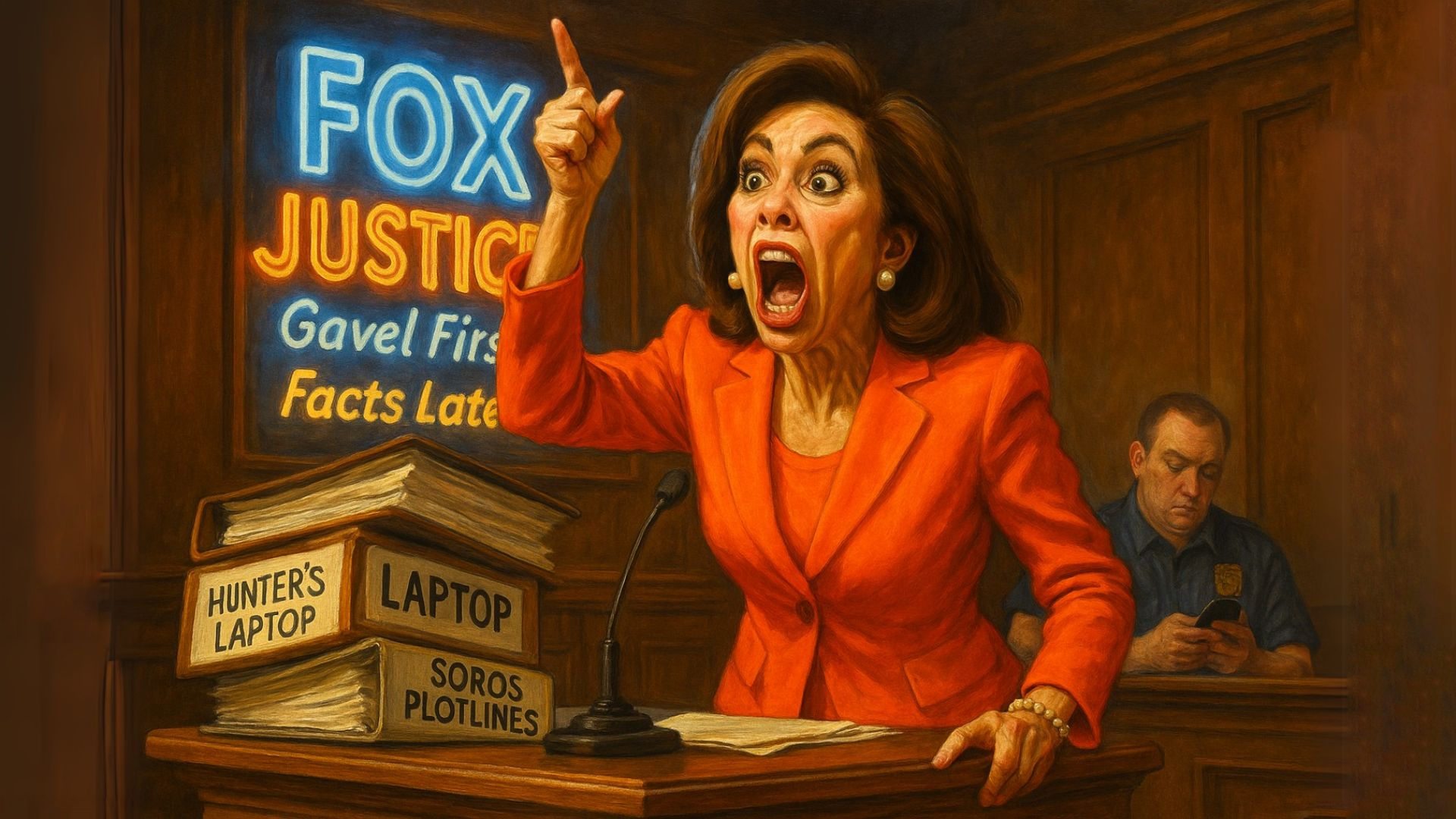
Well, well, well. Just when you thought the political theater couldn’t get any more absurd, Jeanine Pirro, the former Fox News firebrand known for her high-decibel diatribes and unwavering loyalty to Donald Trump, has been sworn in as the interim U.S. Attorney for Washington, D.C. .

Yes, you read that correctly. The same Pirro who once treated “The Five” as her personal soapbox, delivering monologues that made Shakespeare’s soliloquies seem subtle, is now tasked with upholding justice in the nation’s capital. One can only imagine the courtroom decorum: “Order in the court!” followed by a Pirro-esque retort, “I’ll decide what’s in order here!”

Her appointment comes after the unceremonious departure of Ed Martin, whose tenure was as brief as it was controversial. Martin’s penchant for targeting political opponents and mishandling cases made him a liability even within his own party . Enter Pirro, whose qualifications include a past life as a judge and district attorney, though it’s been decades since she last practiced law.

Critics argue that Pirro’s appointment is less about legal acumen and more about political loyalty. After all, her transition from Fox News host to federal prosecutor seems less like a career move and more like a casting decision in the ongoing reality show that is the Trump administration.

In her swearing-in ceremony, Pirro declared, “No more mercy for criminals,” a statement that, coming from her, sounds less like a commitment to justice and more like a tagline for her next book .

While it’s unclear how long Pirro will hold this position, one thing is certain: the line between political commentary and political action has never been blurrier. As we watch this latest episode unfold, one can’t help but wonder if the next season will bring even more dramatic plot twists.

Stay tuned.


Wake Up: The State of the Nation, May 2025

The United States, as of late May 2025, is not inching toward authoritarianism. It is already there. The facade of democracy remains, but the structural integrity behind it has rotted. Here is the unvarnished breakdown.

Governance: Executive Supremacy on Autopilot
Donald Trump governs by decree. Executive orders flow faster than legislative review, while agency heads are selected for loyalty, not competence. Civil servants who resist are purged. Oversight is dead. The system isn’t broken; it’s been gutted and replaced with something entirely new.

MAGA as a Nationalist Machine
What once masqueraded as a political movement is now a fully mobilized ideological regime. MAGA controls the GOP with cult-like discipline. Dissenting voices are exiled. At the state level, MAGA governors wield preemption, nullification, and targeted laws to erode rights—and it’s working.

The Judiciary: Weaponized Legitimacy
Trump’s judicial appointees—particularly at the circuit level—now function as policy enforcers. The Supreme Court, with its 6–3 conservative majority, is openly activist in defense of executive power. Accountability? That door has closed. The law bends to accommodate authoritarianism.

Civil Liberties: A Controlled Burn
Free speech and assembly are being criminalized under the guise of “public order.” Activists are charged. Protest zones are corralled. Surveillance expands under “domestic threat” classifications. LGBTQ+ and reproductive rights are eroding in real-time.

Immigration: Fear as Policy
The machinery of exclusion hums louder. ICE detains with impunity—sometimes even citizens. Real ID enforcement has become a pretext for harassment. Asylum is effectively dead. Legal pathways are blocked. Fear is the function, not a byproduct.

Military: Civilian Control in Name Only
Trump courts military loyalty with spectacle while sidelining dissenting generals. Political appointees push for domestic military roles. The National Guard is increasingly used to enforce partisan will in red states.

The Economy: Top-Down Prosperity
Inflation numbers look good on paper. Reality tells a different story. The wealth gap widens, wages stall, and worker protections shrink. Union busting is back in full swing. Deregulation favors megadonors. The rest get slogans.

Media: Manufacturing Consent, 2025 Edition
State-aligned media—OANN, Newsmax, and compliant Fox voices—feed the base a curated reality. Independent journalists face financial strangulation, legal threats, or worse. Social media platforms are cowed, censored, or co-opted. The First Amendment is being litigated into irrelevance.

International Standing: From Leader to Liability
Allies watch with alarm or shift focus entirely. NATO is weakened. Multilateral institutions are losing faith in American stability. Authoritarian regimes are emboldened. America’s soft power has withered, replaced with erratic threats and transactional deals.

The Verdict: This Is the Regime
This is no longer speculation. The slow coup succeeded. The United States, in function if not in form, now serves the ego and ambitions of one man. The institutions built to constrain power are being used to concentrate it. Dissent is smeared. Truth is punished. And the clock keeps ticking.


The Quiet Work of Legacy

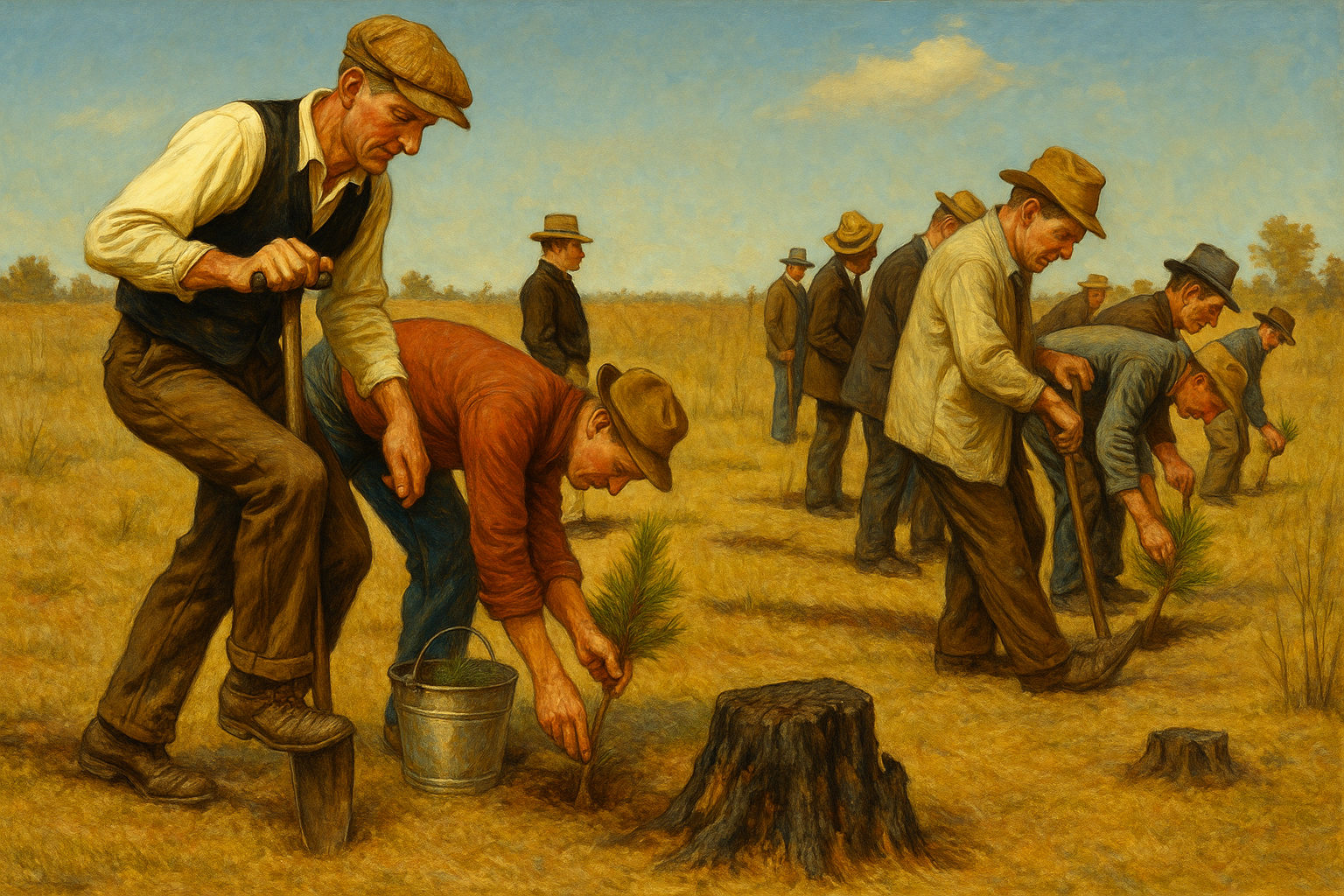
You won’t find this moment carved into marble or replayed on primetime. No flags waving. No speeches echoing across grand halls. Just a line of men in worn shirts and dusty hats, bent at the waist, pressing saplings into tired earth.

This image, a reinterpretation of a New Deal-era reforestation project, captures a kind of patriotism we rarely bother to name anymore. Not the fireworks-and-fanfare variety—but the slow, deliberate, blister-forming kind. The kind that plants trees not for today, but for someone else’s tomorrow.

The men here likely didn’t think of themselves as historic. They weren’t seeking credit. What they did, they did because the land was worn out, and the country was worn down, and something—anything—had to be built again.

And they did. Quietly. Together.

These are the gestures that stitch together the real America. The small, hard, hopeful things. A bucket passed from hand to hand. A sapling lowered into soil. A field replanted. Not for profit. Not for praise. Just for the sake of continuity.

We’re told to “make America great again” as though greatness was ever a moment that could be recaptured, boxed, and sold. But maybe—just maybe—it’s not about “again” at all. Maybe greatness lives in the acts no one tweets about. In the days when men planted trees they’d never live to sit under. When community meant labor, not a logo.

So if you’re looking for where American strength truly lives, look here—on a dry plain, where worn boots meet cracked earth, and a future is tucked into a hole no deeper than a shovel’s bite.


In 1936, volunteers and Boy Scouts gathered to replant Mansfield’s Liberty Park, Mansfield, Ohio, transforming barren fields into green landscapes for generations to come. Inspired by a June 2, 1936, Ohio WPA photograph, this rendering reimagines their efforts in a warm, Rockwell-like style, honoring the spirit of renewal during the Great Depression.

Rendered from an AI interpretation based on historical photography.


The Past, Reimagined Like Rockwell #10
Is this the “Again?” #4

The Hegseth Wiretap Scandal: Lawless Power Behind the Flag

The public deserves to know when the Department of Defense starts acting like a rogue intelligence agency. And yet, that’s exactly what appears to have happened under Pete Hegseth’s short, scandal-riddled tenure as Trump’s hand-picked Secretary of Defense. The latest bombshell? An alleged illegal NSA wiretap ordered without a warrant to track down leakers inside the Pentagon. If true, it’s not just unethical—it’s unconstitutional.

Let’s lay out the facts with the precision the administration has tried so hard to avoid.

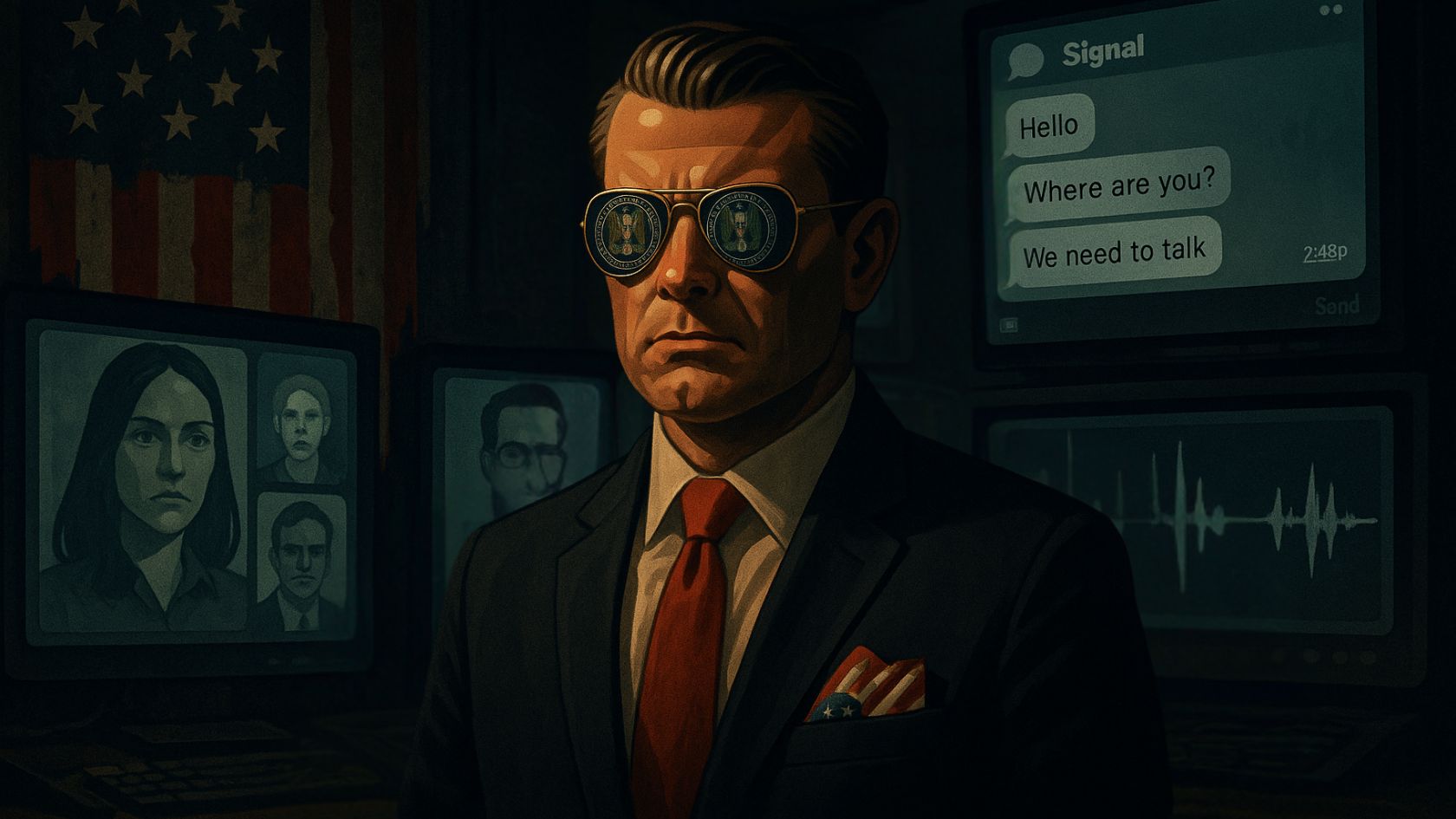
In the wake of the “Signalgate” leak—where screenshots of classified military strategy were passed around a private Signal chat like gossip in a middle school hallway—Hegseth’s team zeroed in on three aides: Dan Caldwell, Colin Carroll, and Darin Selnick. All were fired.

Then came the explosive claim: Hegseth’s lawyer, Tim Parlatore, told a reporter the firings were based on an NSA wiretap. No warrant. No court oversight. Just an off-the-books spy operation on American citizens, conducted under the guise of national security. When the legal alarm bells started ringing, Parlatore backpedaled. Suddenly, the wiretap never existed. Or maybe it did. Or maybe someone else misunderstood. The story shifted more than Trump’s stance on NATO.

That’s when the White House, already skittish from Hegseth’s prior antics, started pulling the plug. Vice President JD Vance reportedly “lost confidence.” The investigation was reassigned to Deputy Defense Secretary Stephen Feinberg, a mercenary billionaire with no formal intelligence background. That’s not accountability—it’s containment.

This wasn’t just an internal leak probe gone wrong. It was an attempt to consolidate power through surveillance, scapegoating, and deception. And the media cycle has moved on too quickly, letting the White House off the hook for allowing it to happen in the first place.

Consider the context. Hegseth was already mired in ethical quicksand—disregard for military protocol, politicization of the chain of command, and a fundamental disdain for oversight. This wiretap episode is not a deviation from the norm. It’s a confirmation of the pattern.

And if history has taught us anything, it’s that when leaders spy on subordinates under the flag of patriotism, it’s usually not patriotism—it’s panic.

The comparisons to Watergate aren’t hyperbole. They’re a warning. The only difference is that this time, the machinery of accountability may already be too compromised to respond.

We’re watching a Pentagon under Trump morph from a defense department into a domestic intelligence tool—loyal not to the Constitution, but to the personality cult in charge.

And if you think this scandal is over because the headlines have quieted, ask yourself: how many more “legal misunderstandings” are hiding behind executive privilege?

Hegseth may be on the ropes, but the system that enabled him still stands.