Author: E.T.
Published: July 19, 2025
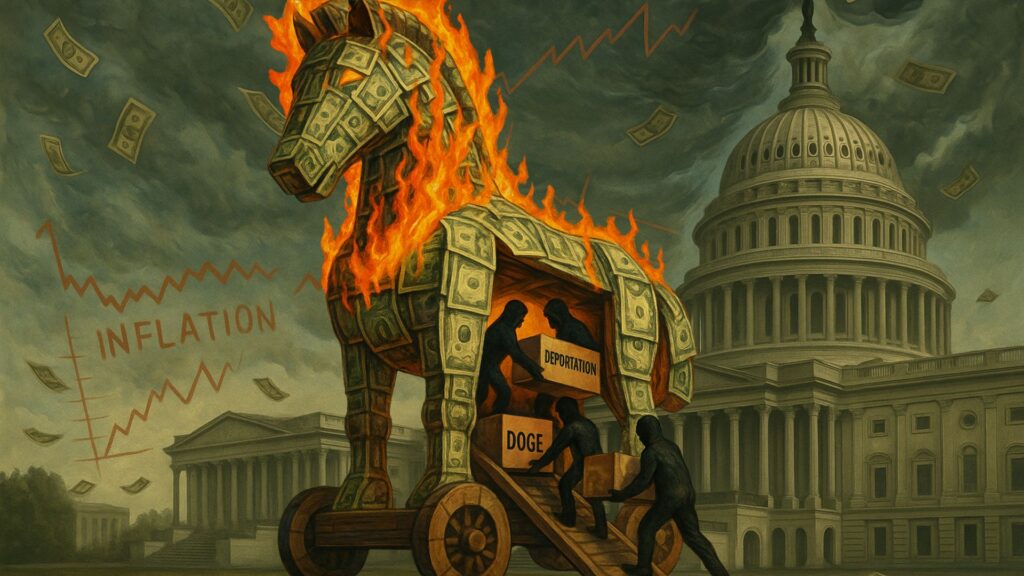 Trump’s “One Big Beautiful Bill” is not just a MAGA dream list—it’s a fiscal Trojan horse. Hidden inside its $1.2 trillion is a blueprint for power consolidation: slashed DEI programs, executive-funded immigration sweeps, and appropriations rerouted through the Department of Government Efficiency (DOGE)—a made-up agency doing very real damage.
Markets are surging now, sure. But inflation is too. Tariffs are up, prices are up, and yet the spending keeps coming. This isn’t fiscal discipline. It’s performative populism with a trillion-dollar price tag.
And deficit hawks? They’re not hawks anymore. They’re parrots.
Author: J.M.
Published: July 19, 2025
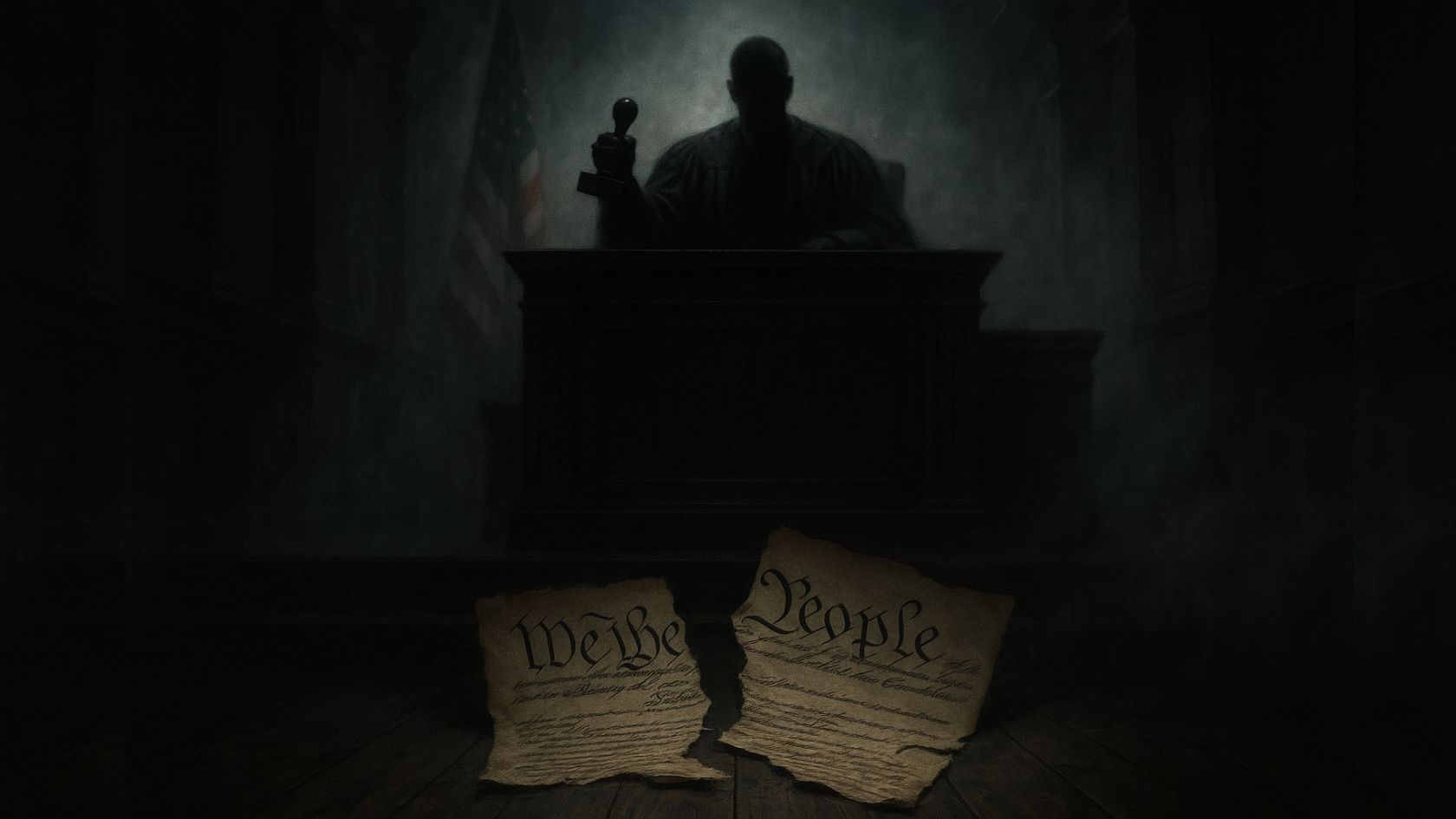
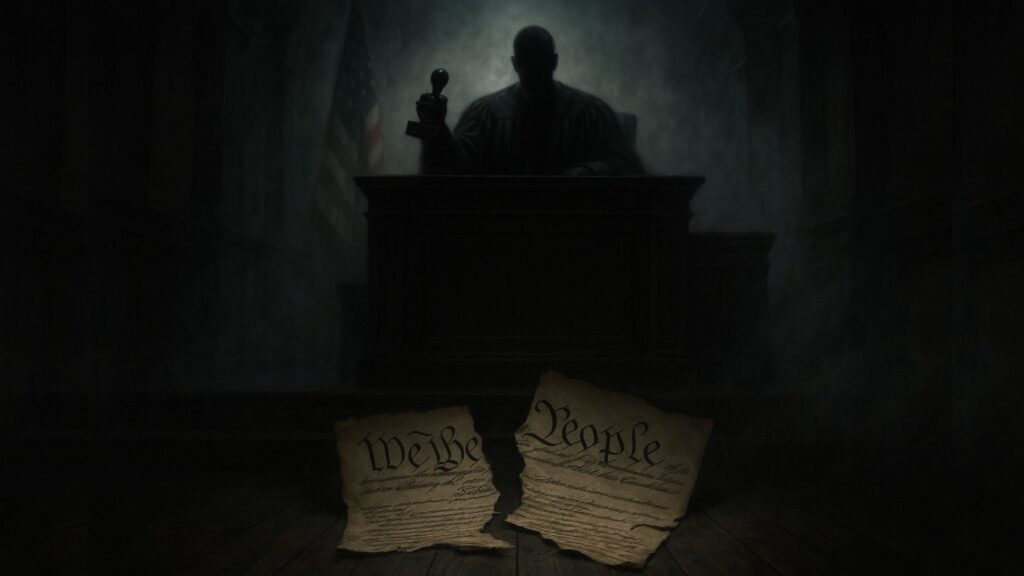 Most Americans haven’t heard of Emil Bove. That’s how erosion works—it’s quiet until something collapses.
Trump’s second-term judicial appointments are not just conservative. They’re loyalists, often drawn from inside his own legal inner circle. That includes those who’ve flouted subpoenas and obstructed court orders. Now they’re getting robes.
At the same time, the Supreme Court is narrowing the power of federal judges to block executive action. Nationwide injunctions? Gutted. That’s not legal reform—it’s institutional sabotage.
The judiciary is supposed to be the backstop. Instead, it’s becoming the rubber stamp.
Author: S.M.
Published: July 19, 2025
 Deploying Marines to patrol Los Angeles streets like it’s Kandahar wasn’t just an overreach—it was a misfire. And the troops know it. Reports from the ground confirm morale is plummeting. No clear mission. No exit strategy. No legal clarity.
Trump leaned on Title 10 to federalize the National Guard and send them into a civilian protest zone. That’s not standard military protocol. That’s posturing dressed up as command authority.
The Pentagon’s civilian purge? That’s just the second punch. You don’t need oversight when your goal is compliance. You don’t need balance when your enemy is accountability.
It’s not about readiness. It’s about control.
Author: W.S.
Published: July 19, 2025
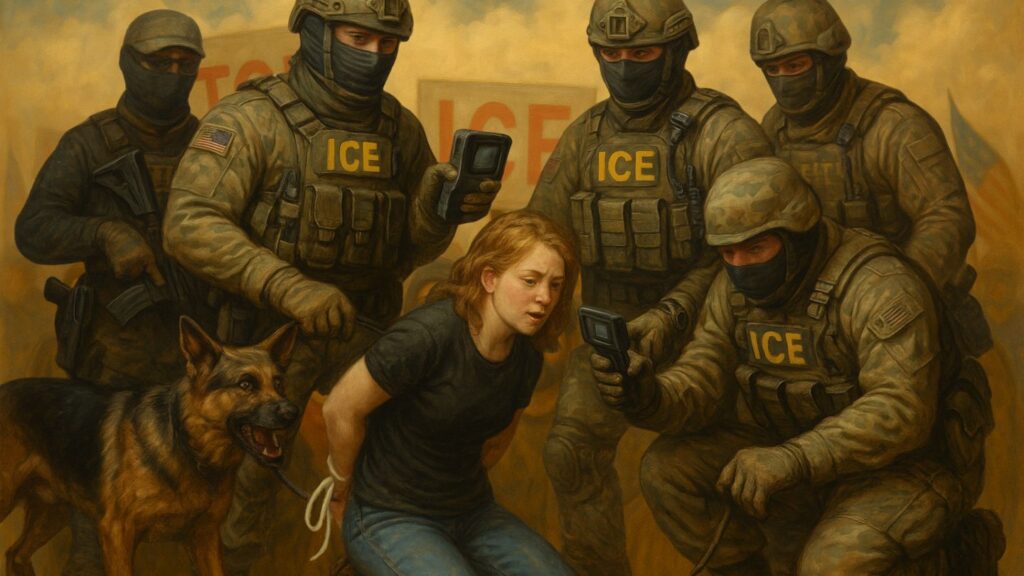 It’s not enforcement. It’s vengeance.
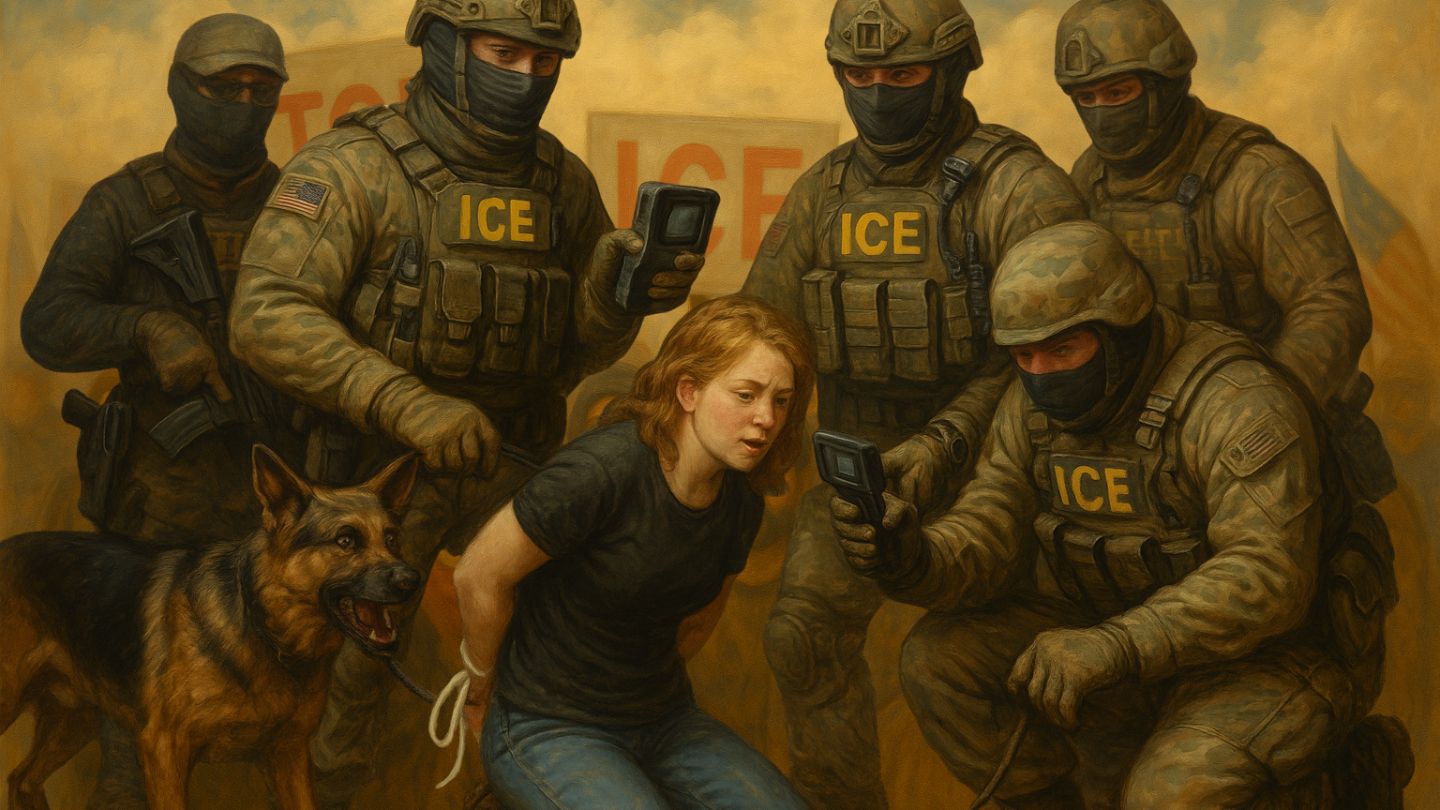
That’s what Trump’s “One Big Beautiful Bill” really is: a state-sponsored purge of people the MAGA machine wants gone. Stripping birthright citizenship? Raiding protests and farmworker camps? Denying health care to kids because their parents crossed an imaginary line?
Let’s call it what it is: ethnic expulsion with a patriotic filter slapped on it.
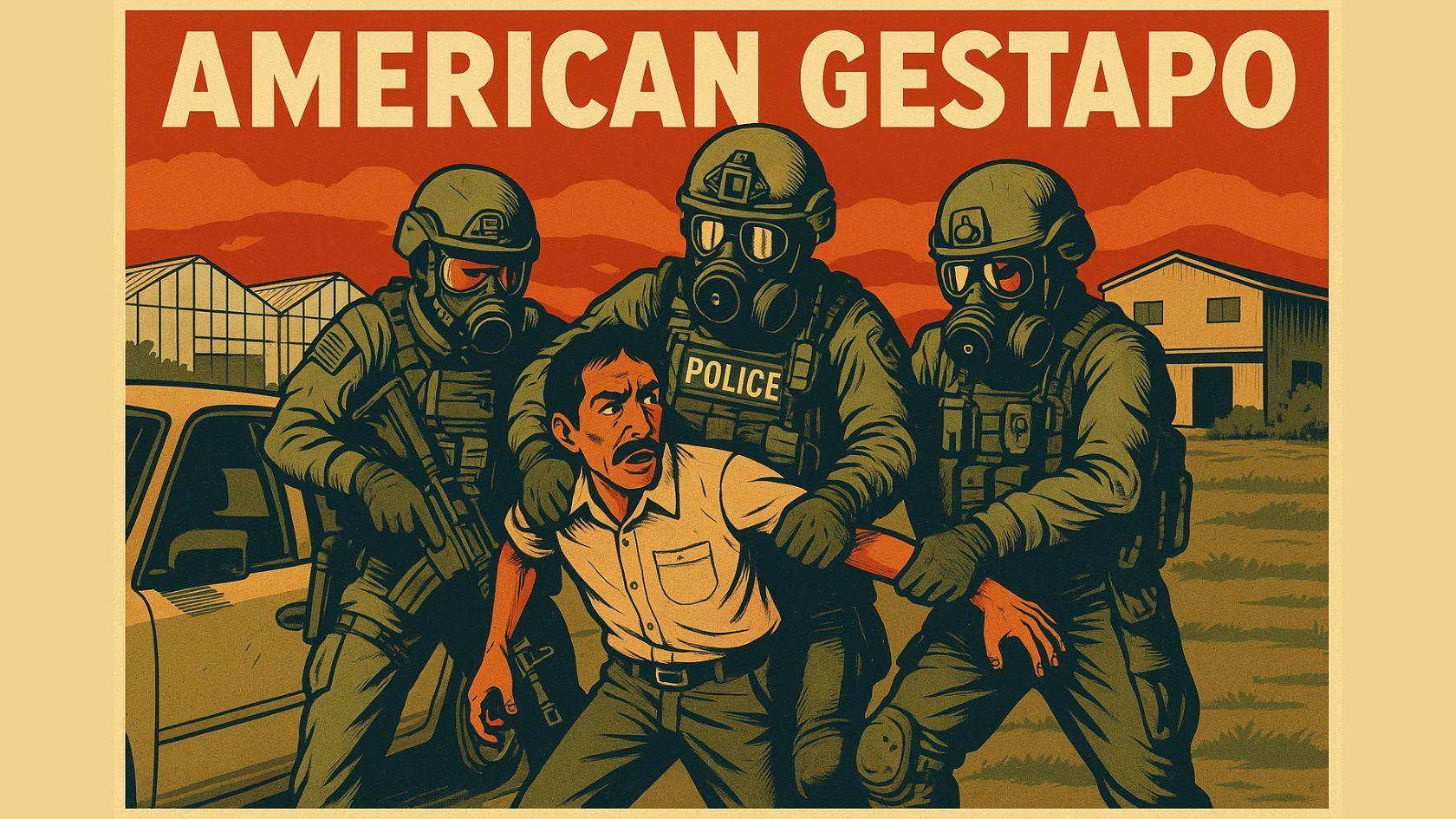
ICE isn’t showing up with warrants. They’re showing up with dogs, zip ties, and biometric scanners. They’re sweeping up protestors and calling it immigration enforcement. This isn’t policy—it’s repression.
And while MAGA hardliners scream about “illegals,” it’s always the most vulnerable who vanish first: the sick, the poor, the outspoken. So yeah, this isn’t just about immigrants. It’s about who’s next.
Author: M.W.
Published: July 19, 2025
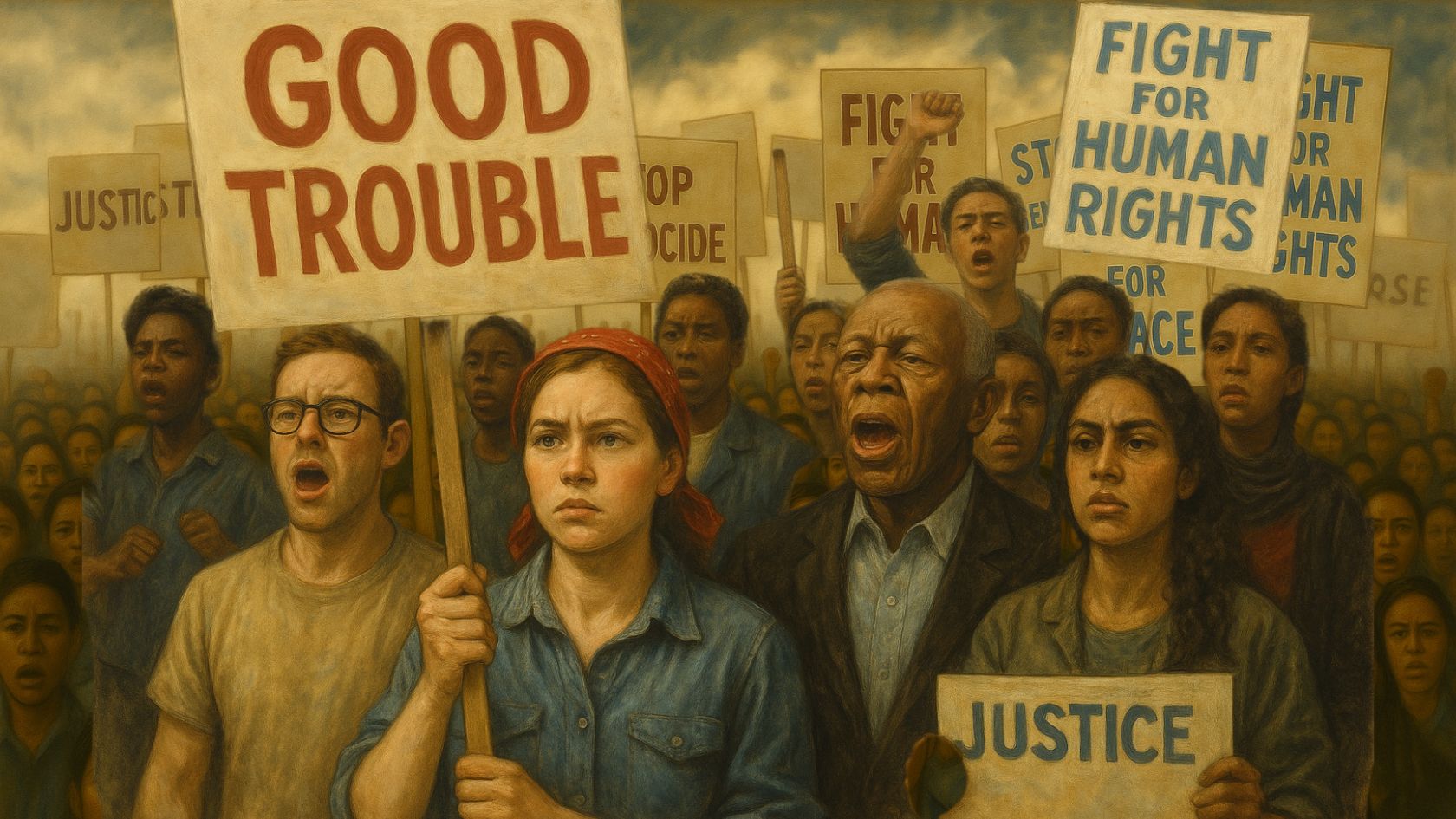
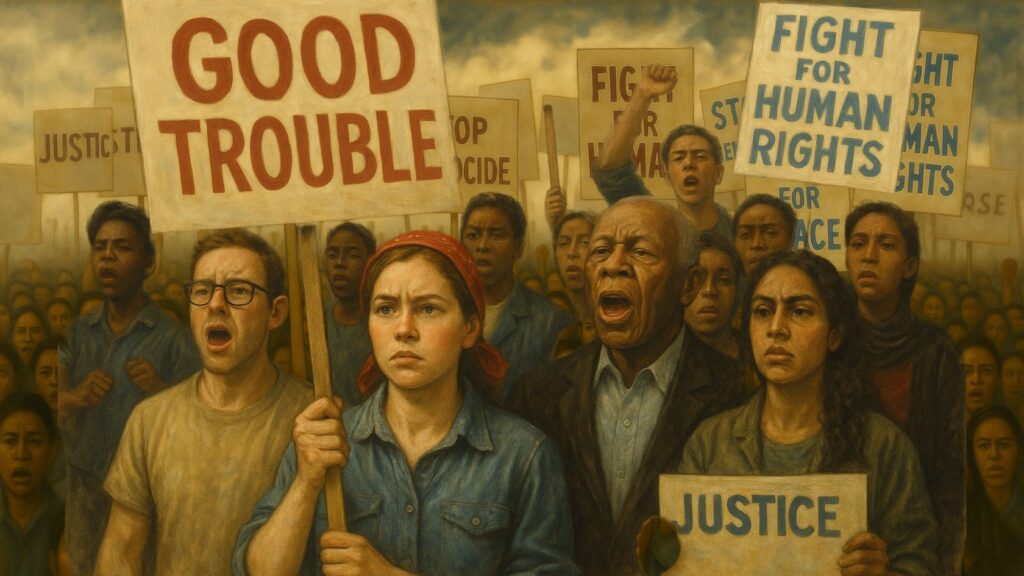 Let’s be clear: July’s “Good Trouble” demonstrations weren’t radical. They were necessary.
When biometric scans are collected from peaceful marchers…
When immigration policy is enforced at community clinics…
When dissent is reframed as “insurrection”…
…that’s not public safety. That’s state intimidation.
Rural and urban organizers alike are linking arms across lines that MAGA thought it could exploit. If they want to make protest a risk, we’ll make solidarity the shield.
Author: L.Ha.
Published: July 18, 2025
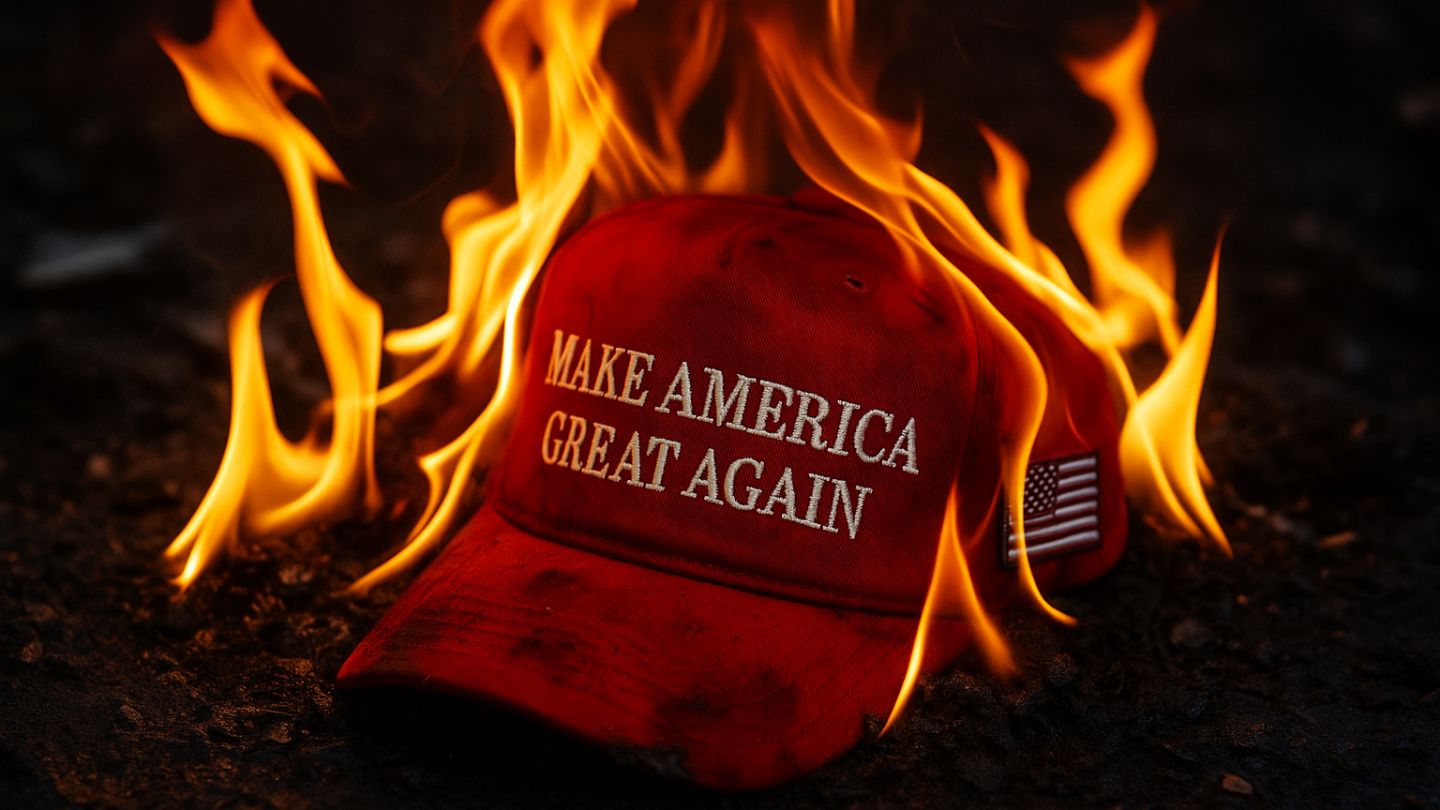
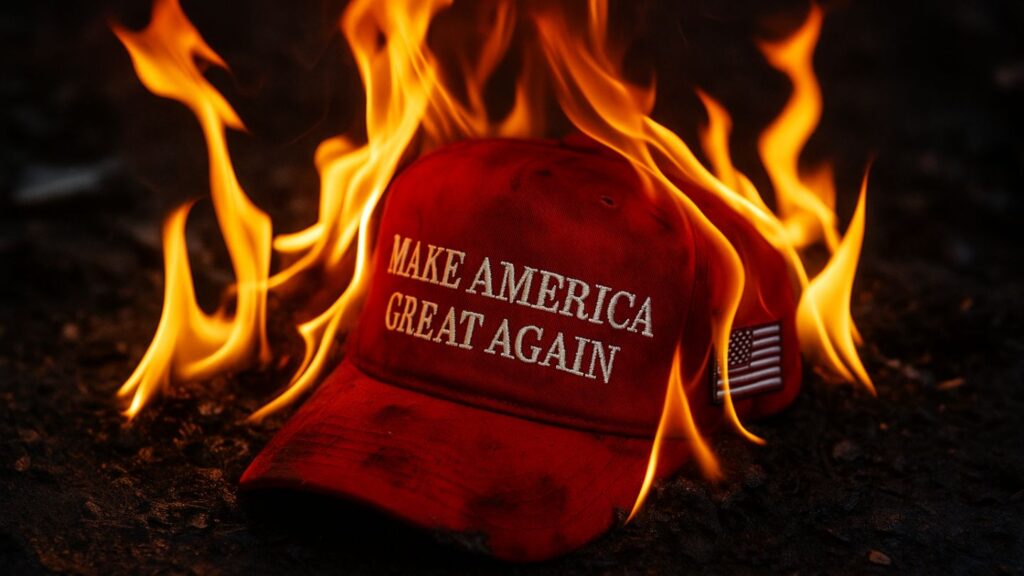 The moment thousands of MAGA supporters lit their red caps on fire told us more than a year of headlines ever could. Trumpism has long been mistaken for a political ideology. It’s not. It’s a vehicle—one whose driver no longer knows where he’s going, and whose passengers are starting to fight over the wheel.
When Attorney General Pam Bondi dismissed the Epstein files as inconsequential and Trump told his base to “move on,” he ignited the most significant internal rupture in the MAGA movement to date. That’s not a policy disagreement. That’s a crisis of faith. You don’t burn a symbol of loyalty because you dislike the price of eggs. You do it because the altar you were told to kneel at turns out to be hollow.
This revolt is a constitutional gift. Populist energy can be dangerous—but it can also be redirected. If those disillusioned by personalism rediscover principles—like transparency, accountability, or even truth—then maybe, just maybe, some of that fire can light a better path.
Author: L.Ha.
Published: July 17, 2025
 When Donald Trump promised to “drain the swamp,” it struck a nerve. Americans knew corruption was embedded in Washington, but what followed was not cleansing. It was consolidation.
Trump didn’t dismantle the swamp. He reoriented it around himself.
Under his leadership, the definition of “corruption” shifted. Career civil servants, experts, and judges who valued independence were cast as the enemy. In their place, loyalty became the currency. Cronyism was recast as governance. Ethics were treated as optional. Pardons were used to reward allies. Grift was normalized.
The problem is not just that Trump failed to drain the swamp—it’s that he sold the illusion of doing so while making it more toxic. And millions believed him.
When power is redefined as purity and loyalty replaces merit, the swamp doesn’t dry up. It gets deeper. And those who call it out are branded traitors.
Author: W.S.
Published: July 16, 2025
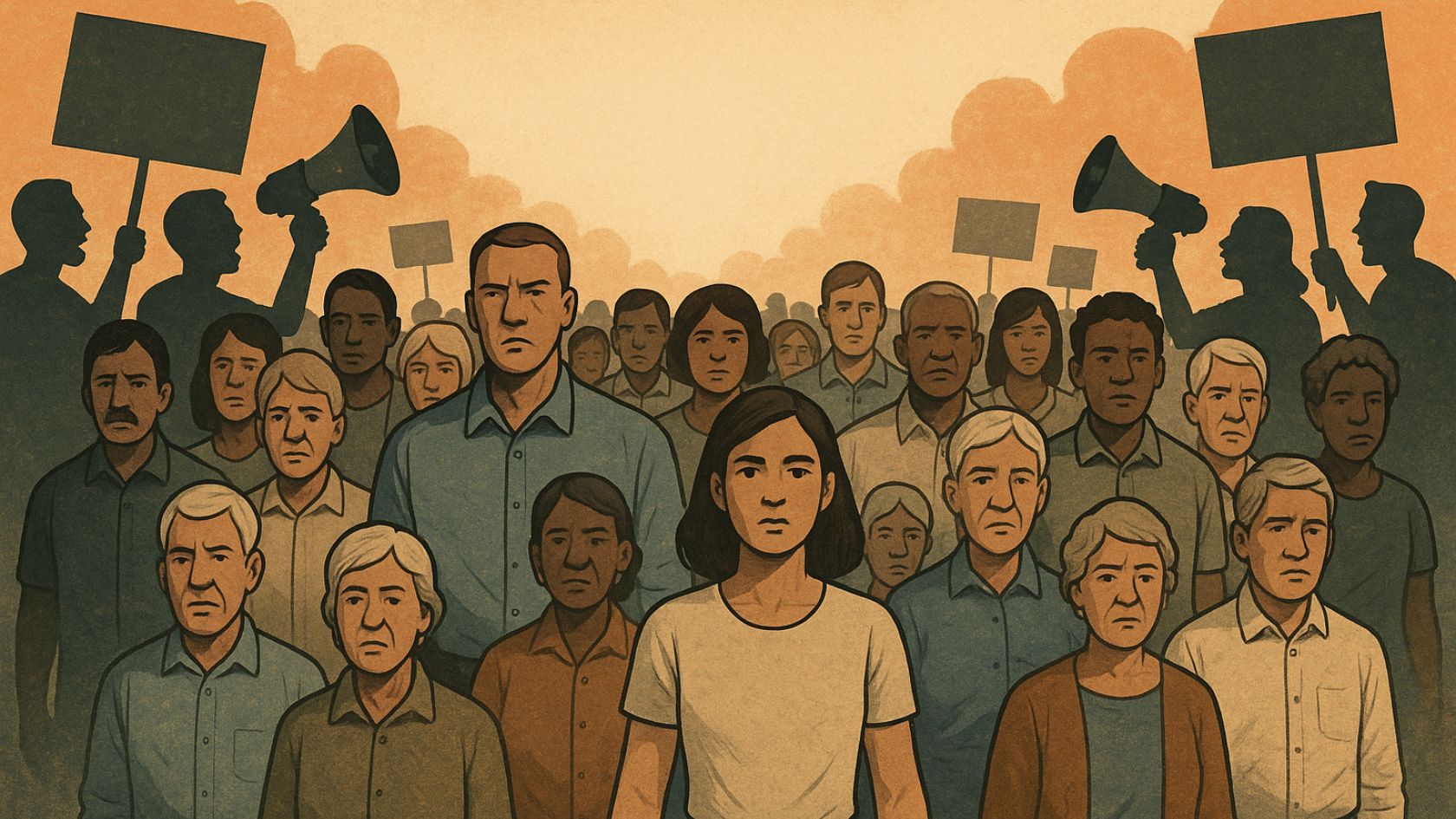
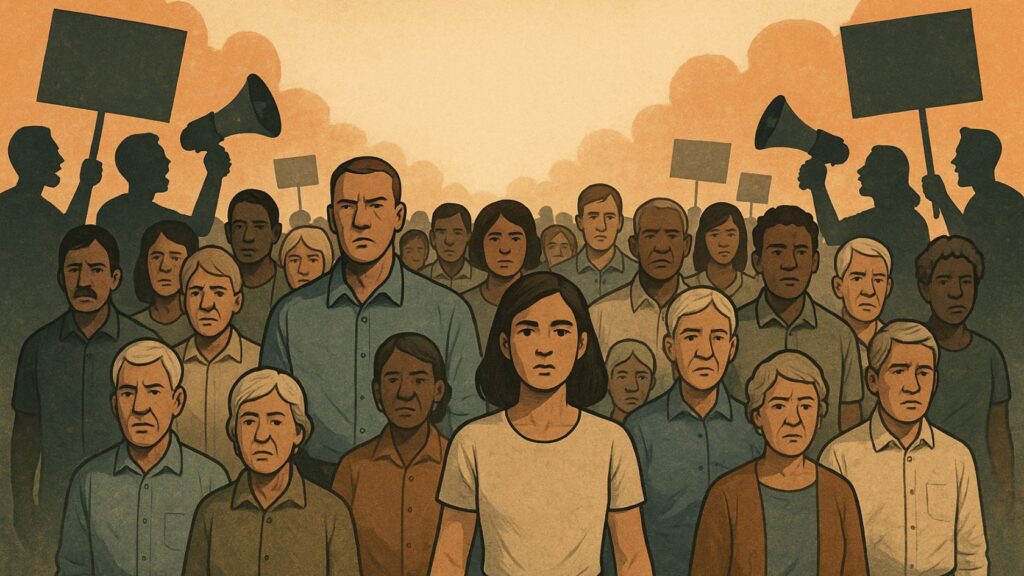 Most political institutions are failing to serve the very people who keep them running. These Americans are not waiting for saviors. They are teaching, farming, building, caregiving, and navigating broken systems with uncelebrated persistence.
This group does not live in the abstractions of left or right. It lives in the tangible demands of rent, medicine, education, and safety. These citizens believe in laws that are fair, services that are reliable, and leadership that is competent.
While some amplify extremism to score points, the real majority wants outcomes. They are not motivated by outrage. They are motivated by necessity. They do not demand dominance. They demand dignity.
Ignored by policymakers and misrepresented by the media, they continue to show up anyway. The national conversation must shift to reflect their priorities. Without them, there is no functioning society. They are not the sidelines—they are the system.
Author: L.Ha.
Published: July 15, 2025
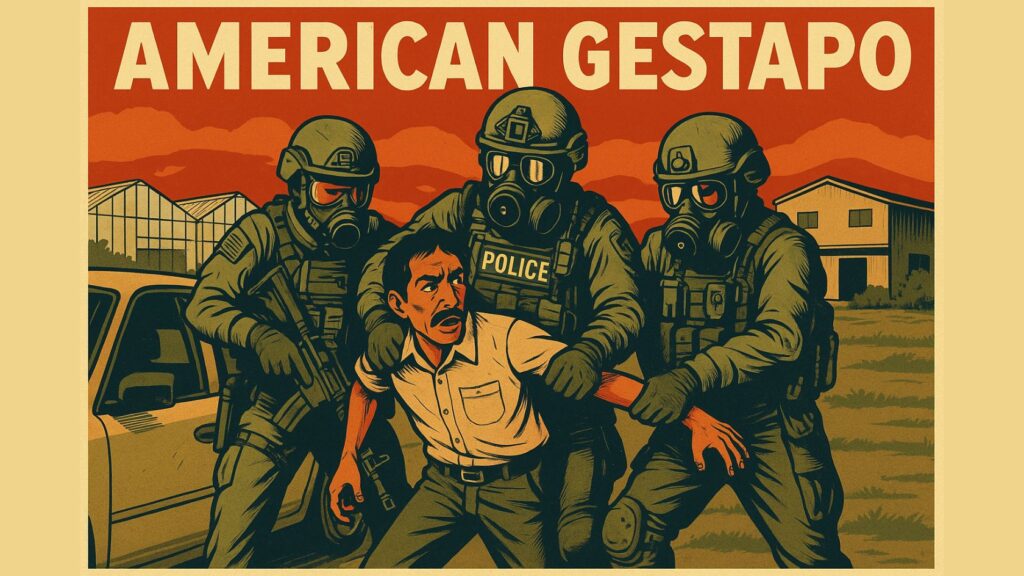 Despite President Trump’s aggressive immigration crackdown—marked by expanding ICE, building new detention centers, and seeking mass deportations—a new poll shows the majority of Americans reject his approach:
- 62% disapprove of Trump’s immigration handling; only 35% approve.
- 79% believe immigration is good for the U.S.
- 85% support citizenship for Dreamers (brought here as children).
- 78% support a path to citizenship for undocumented immigrants generally.
- Only 38% want mass deportations.
Historically, U.S. immigration policy was rooted in racial exclusion. The 1924 Johnson-Reed Act favored white European immigrants while restricting others. The 1965 Hart-Celler Act ended these racial quotas but added a cap on Mexican immigration, just as the Bracero migrant worker program ended—creating a system that criminalized traditional, seasonal labor migration.
Attempts to reform this broken system have repeatedly failed:
- 1986: Amnesty + border enforcement backfired, encouraging long-term undocumented residence.
- 2013: A bipartisan reform bill passed the Senate but was blocked in the House.
- 2024: A new bipartisan bill was killed by Trump allies to preserve immigration as a campaign issue.
Meanwhile, border migration has evolved:
- Most undocumented immigrants now overstay visas, not cross the southern border.
- Many recent migrants are refugees, not economic migrants.
- Biden attempted modernization and humanitarian relief, but MAGA Republicans used Title 42 (a COVID-era border closure policy) as a political weapon.
Trump continues exploiting xenophobia, spreading false claims (e.g., immigrants eating pets) and pushing authoritarian measures, such as deporting U.S. residents like Kilmar Abrego Garcia and resisting legal challenges to executive overreach.
Ultimately, public opinion favors humane, pragmatic reform—not cruelty, lies, or political theater.
Author: L.Ha.
Published: July 15, 2025
 The difference between skepticism and cynicism defines the national moment.
Skepticism questions with purpose. Cynicism dismisses with finality. One is active; the other, corrosive.
A significant share of Americans remain skeptical. They see what is broken, yet still believe in the work of repair. These individuals are not calling for collapse. They are calling for accountability. They challenge authority but still vote, still volunteer, still serve.
This is the force behind civic stability. Not the pundits or provocateurs, but the skeptical citizens who still believe the country is worth improving. They demand both justice and order, reform and responsibility.
Cynicism, by contrast, produces withdrawal. It tells people they have no agency and no reason to try. It is the favorite tool of those who benefit from stagnation.
The distinction is not academic—it is existential. The skeptical center can rebuild what extremes have broken. That is where real momentum lives.
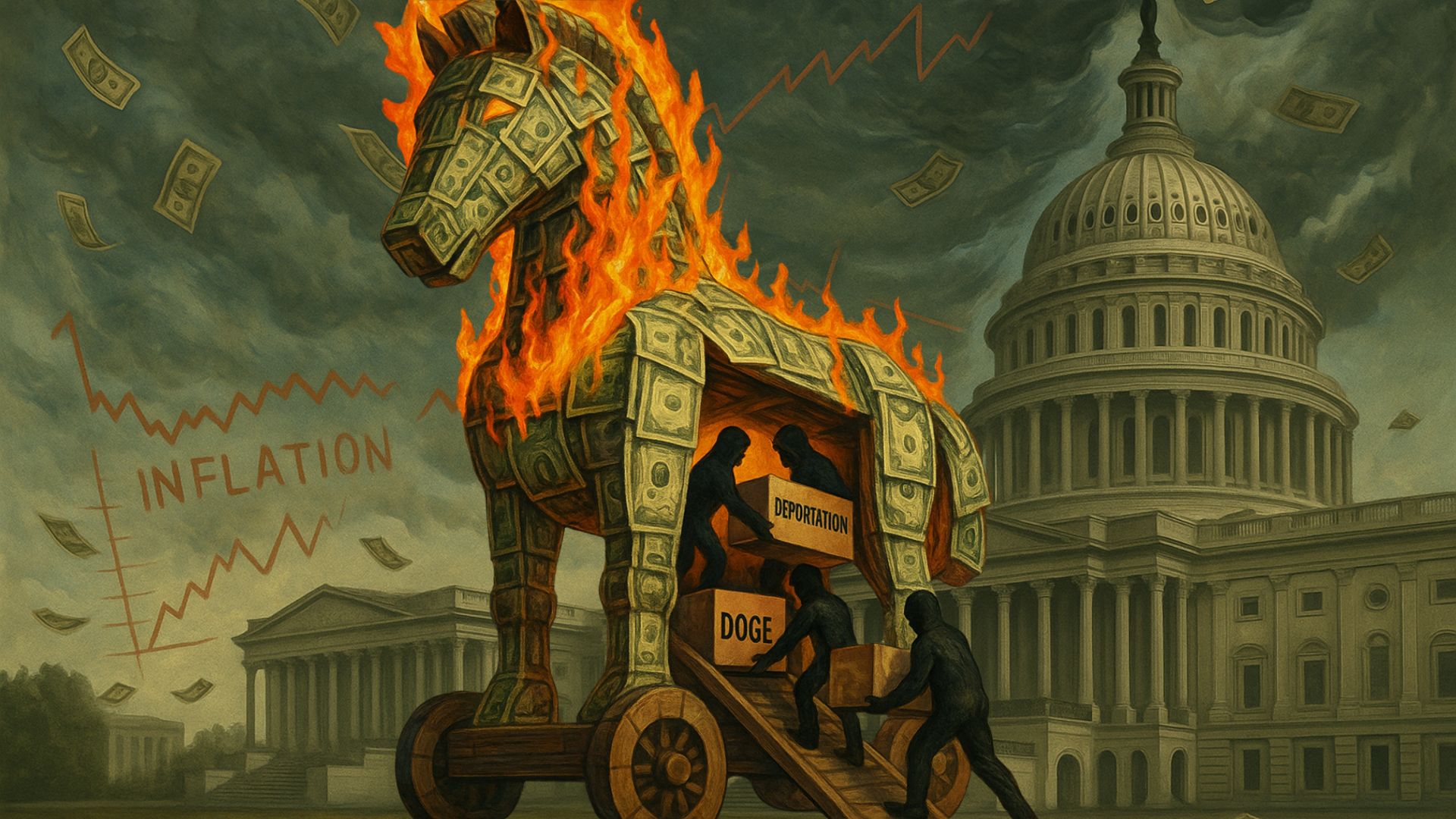 Trump’s “One Big Beautiful Bill” is not just a MAGA dream list—it’s a fiscal Trojan horse. Hidden inside its $1.2 trillion is a blueprint for power consolidation: slashed DEI programs, executive-funded immigration sweeps, and appropriations rerouted through the Department of Government Efficiency (DOGE)—a made-up agency doing very real damage.