Where Democracy Actually Happens

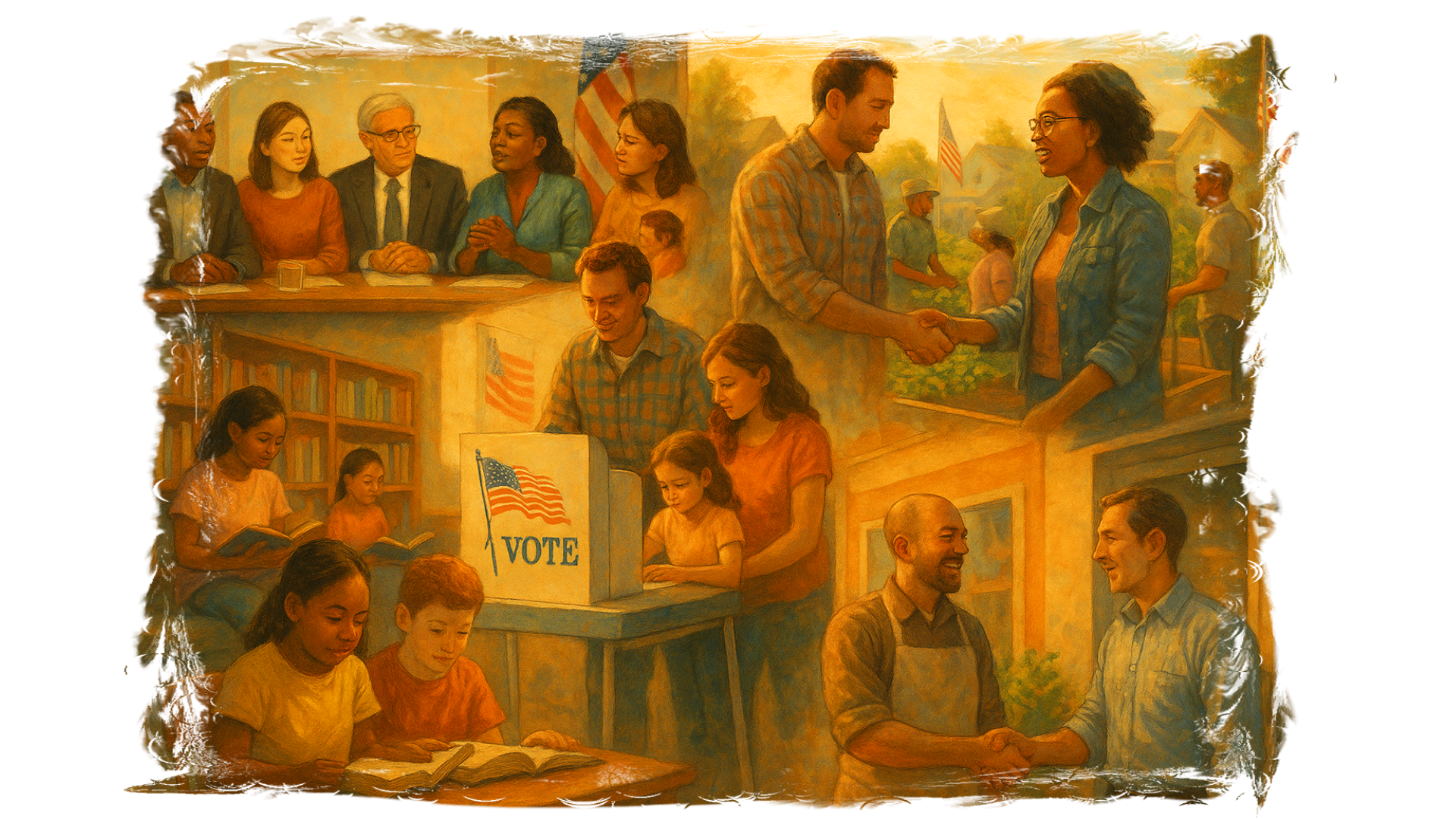
The national narrative often overlooks where democracy functions best: at the neighborhood level, in classrooms, in public libraries, in parent-teacher meetings, in quiet acts of care and commitment. This is where the majority lives.

These Americans are not calling for anarchy or authoritarianism. They are asking for stability, competence, and inclusion. They believe in both limits and liberties. They understand that good policy does not come from purity tests but from listening and compromise.

They are not apathetic. They are engaged—just not in the ways that grab headlines. They write to school boards. They support local businesses. They stay informed and show up. Their patriotism is practical, not performative.

In a time of polarization, their steady presence offers a path forward. Their expectations are not radical: tell the truth, do the work, and don’t break what’s already working. In their quiet resolve lies the best hope for national renewal

What Grows in Silence

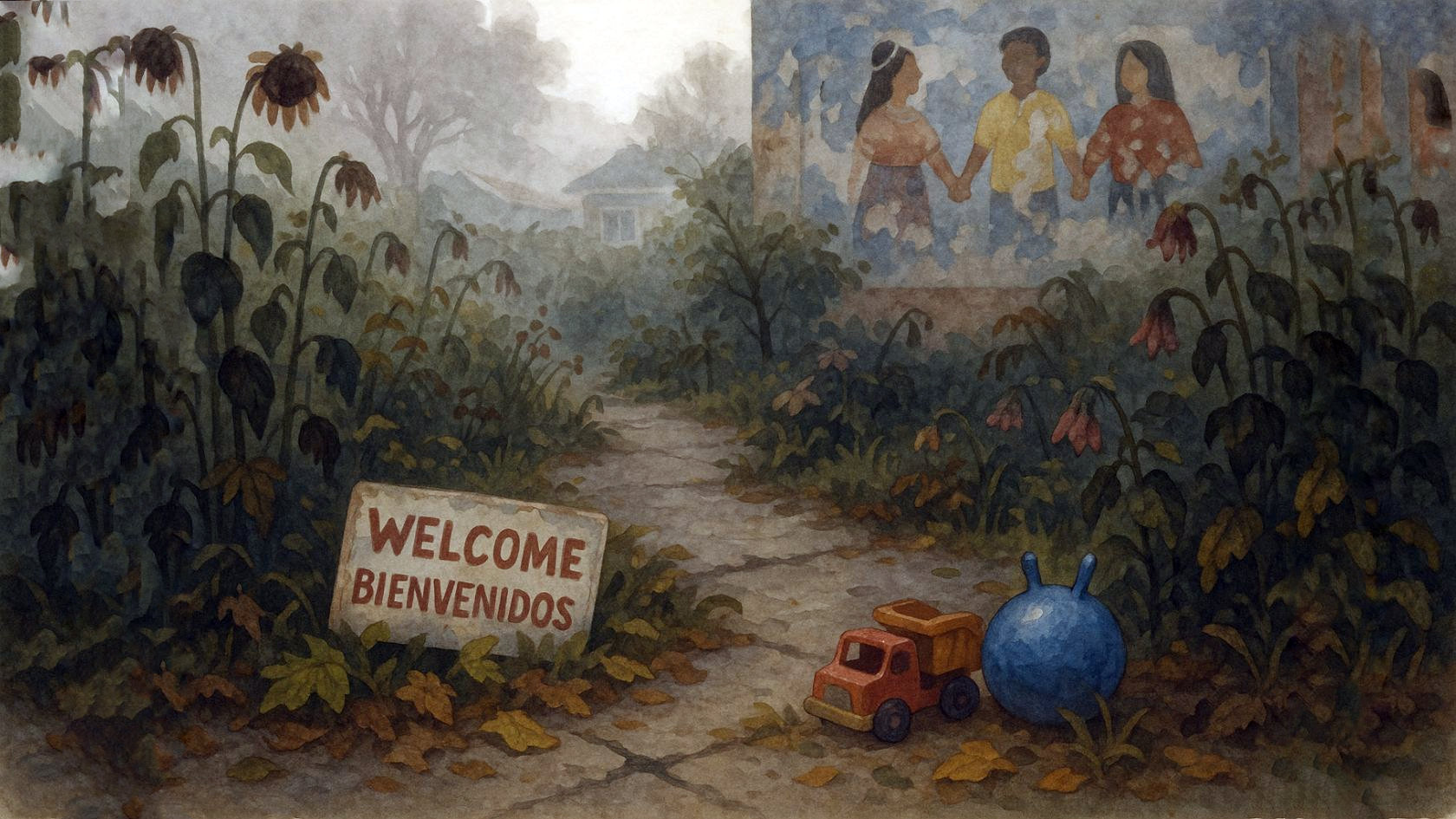
The loudness of MAGA distracts from its deeper harm: disconnection. Communities under immigration siege don’t just fear raids—they lose trust, school attendance drops, gardens go untended, language fades. The small, rooted rituals that hold people together? They wither under fear.

When the state treats identity as a threat, it’s not policy. It’s spiritual erosion.

MAGA may see these things as noise. But for many, they are survival.

A Movement Built on Smoke and Signal

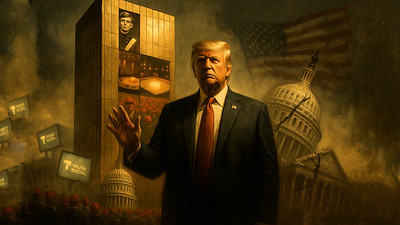
MAGA is a performance. It always has been. Trump’s rally optics, red hat branding, and conspiratorial winks aren’t fringe—they’re the fuel.

But now the theater’s running long, and the audience is burning the set.

The Epstein fallout proves it: when truth bumps into narrative, truth gets booed. Trump told them the files were boring. They wanted fireworks. And when they didn’t get them, they torched the symbol instead.

This isn’t politics. It’s spectacle addiction. And it’s unraveling on cue.

Power Without Soil

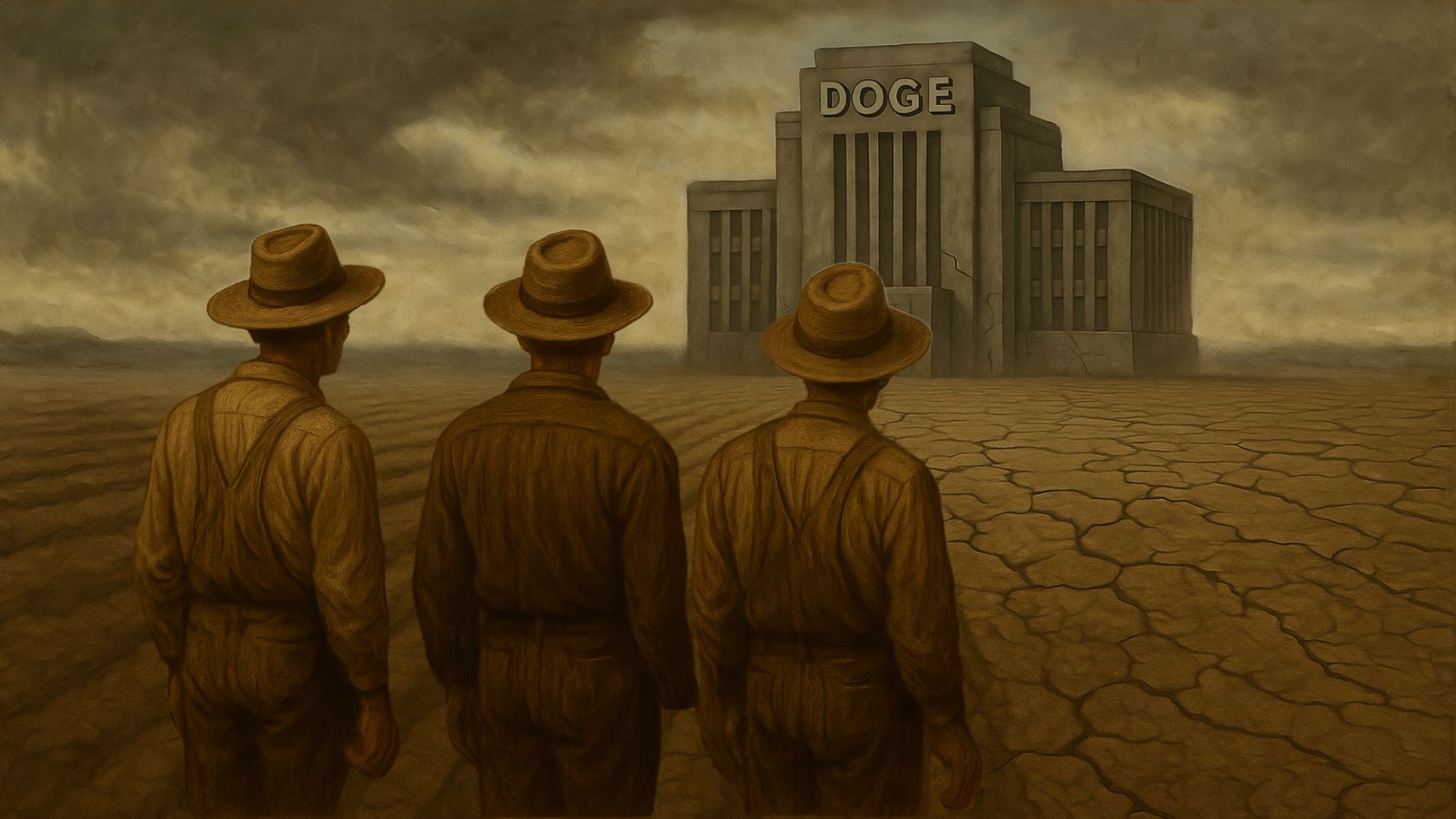
In much of America, power is earned through stewardship—of land, family, and town. But what we’re seeing now is power being centralized in Washington with no accountability and no root system. Trump’s DOGE agency and wave of executive orders don’t fix problems. They bury them under authority.

Layoffs, DEI erasure, “at-will” reclassification—all with the stroke of a pen. You tell me where the people fit in that picture.

What MAGA once promised was representation. What it’s become is domination. That’s not the future rural America signed up for.

Even Citizens Aren’t Safe Anymore

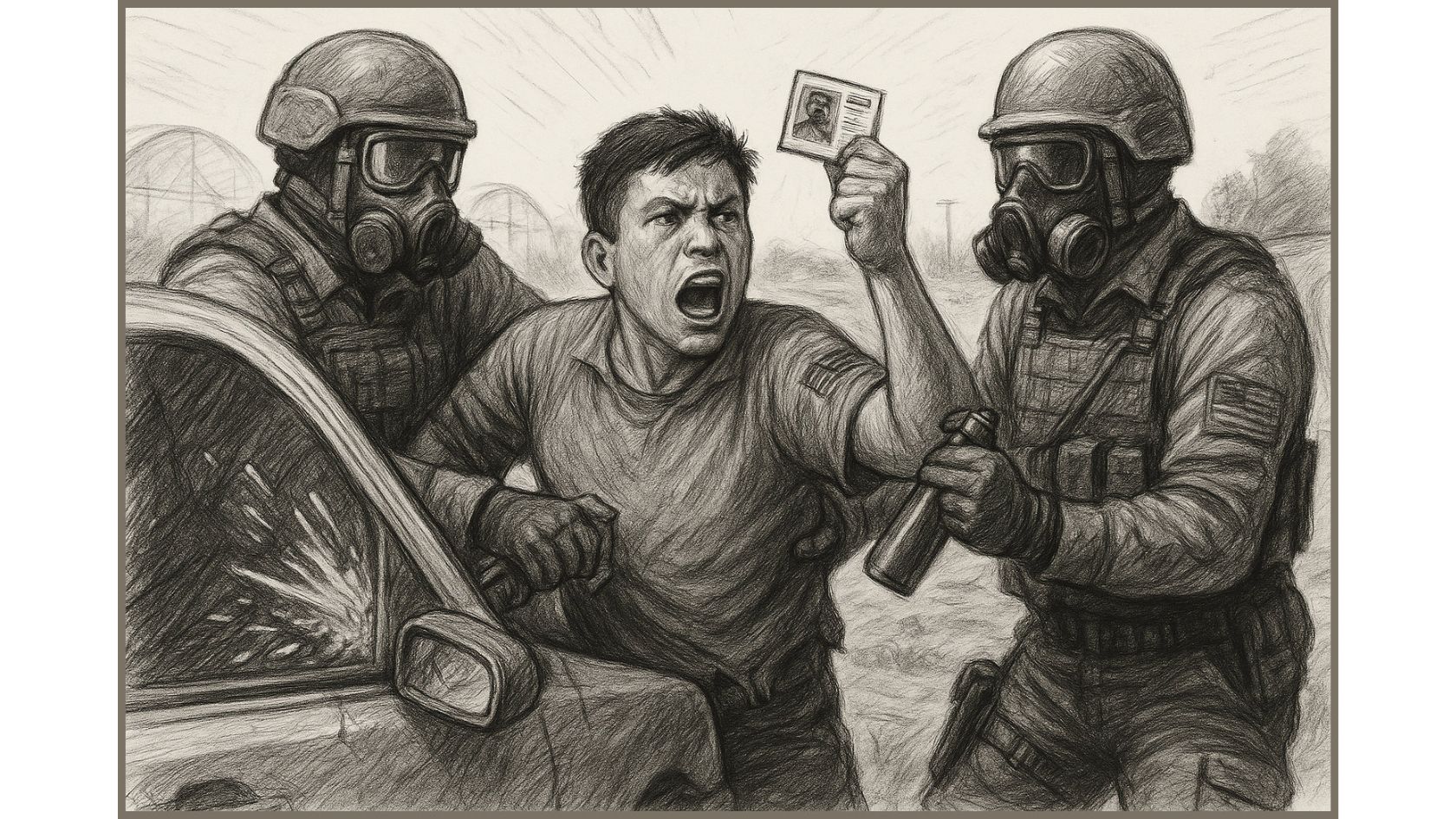
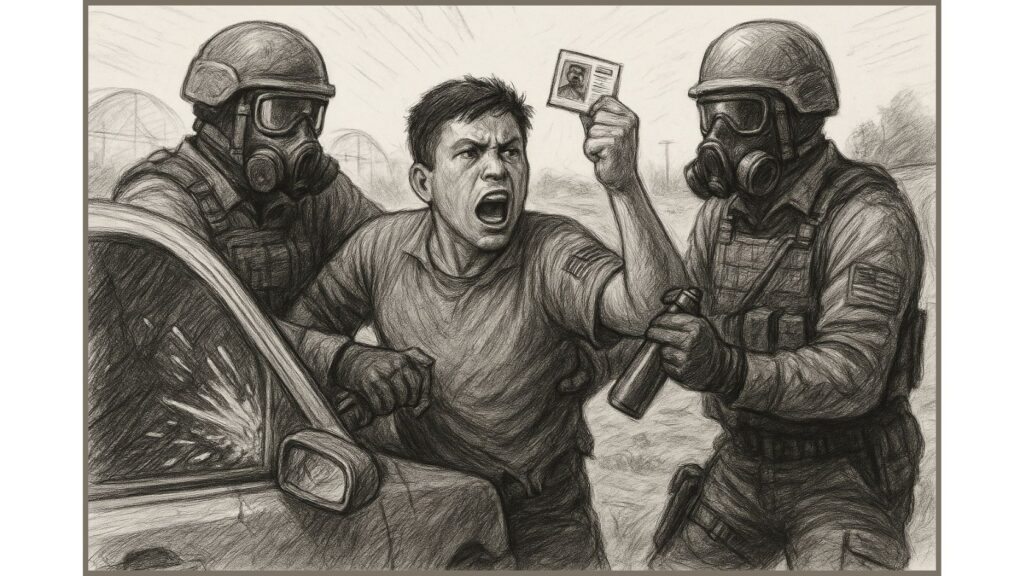
George Retes is a U.S. Army veteran. He was born in Los Angeles. He served his country in Iraq. And on July 10, 2025, his country forgot that entirely.

That morning, Retes was on his way to work as a security guard at Glass House Farms, a legal cannabis operation in Ventura County. He never made it to his shift. Federal agents in body armor surrounded his car, smashed his window, pepper-sprayed him, and dragged him out in cuffs—despite him telling them over and over again that he was an American citizen and a veteran.

They didn’t listen. They didn’t care. For the next three days, George Retes disappeared.

Locked Away, Without a Phone Call

He wasn’t charged with anything. He wasn’t allowed to call a lawyer. He wasn’t given access to a phone, a shower, or even a reason why he was being held. They shackled him at the ankles and stuck him in a freezing cell. And the only thing that finally got him released?

Public outrage. Media pressure. Not justice. Not decency.

Who This Country Belongs To

If you think this can’t happen to you—think again. George Retes had proof of service. He had a clean record. He had done everything this country ever asked of him. None of it mattered. Because when federal agencies act without oversight, citizenship becomes conditional. Rights become optional. And even veterans can vanish into detention cells just for fitting someone’s profile.

This wasn’t a mistake. It was a choice. A raid coordinated across multiple agencies swept through Ventura County, targeting cannabis farms under the guise of immigration enforcement. Over 360 people were detained. Tear gas was used. At least one worker, Jaime Alanis, died after falling from a greenhouse roof during the chaos.

And no one in government is apologizing. No one is being held accountable.

This Is What Overreach Looks Like

The way these raids were carried out—masked agents, rifles drawn, drones overhead—is not how law is enforced in a democracy. It’s how fear is weaponized. It’s how you send a message: we’ll come for whoever we want, whenever we want, and we don’t have to answer to anyone.

But George Retes is answering back. He’s suing the government for what they did to him. And we should all be watching what happens next. Because if his case fails, it means the government can do this again—and next time, it might not be a veteran. It might be a student. A neighbor. A protester. You.

Bottom Line

You don’t smash a citizen’s car window, pepper-spray him, haul him off in shackles, and disappear him for three days without consequences. Not in America. Not if we still care about the Constitution. Not if we still think rights apply to all of us.

George Retes deserves more than compensation. He deserves accountability. And we all deserve answers. Because if this is what homeland security looks like in 2025, then the real threat isn’t coming from outside our borders—it’s coming from behind the badge.
MAGA vs. America: The Numbers Don’t Lie

Let’s make it simple.

  • MAGA makes up less than 1 in 5 Americans
  • 97% of MAGA voters support Trump
  • But only 41% of the general public approves of him
  • 59% disapprove of his immigration policy
  • 72% are more concerned about inflation than ideology
  • 55% think tariffs are hurting the economy

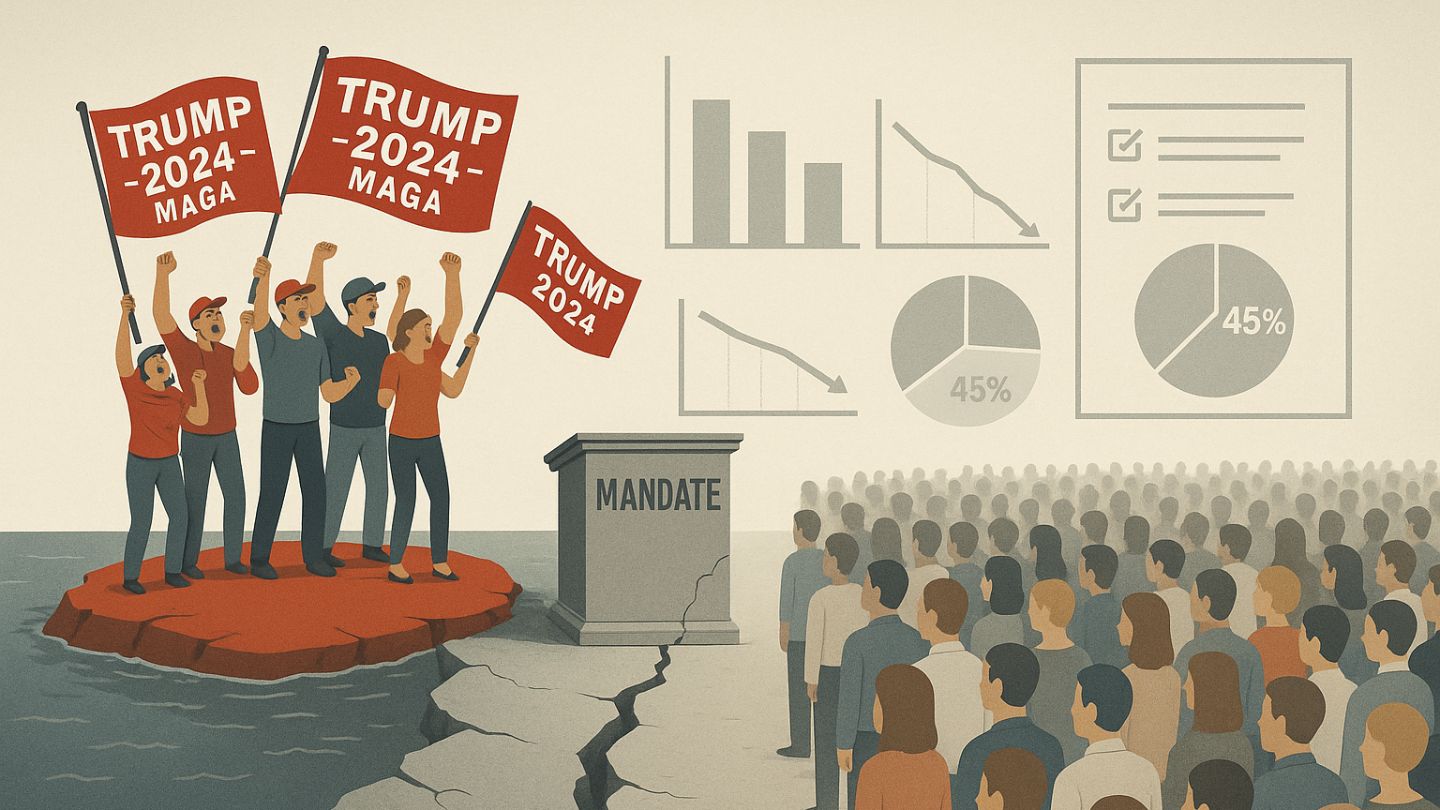
This isn’t a movement with a mandate. It’s a faction with outsized power and declining consensus.

Democracy doesn’t run on dominance. It runs on legitimacy. And by every credible measure, MAGA is losing that—even if it keeps winning primaries.


When Protest Becomes a Crime

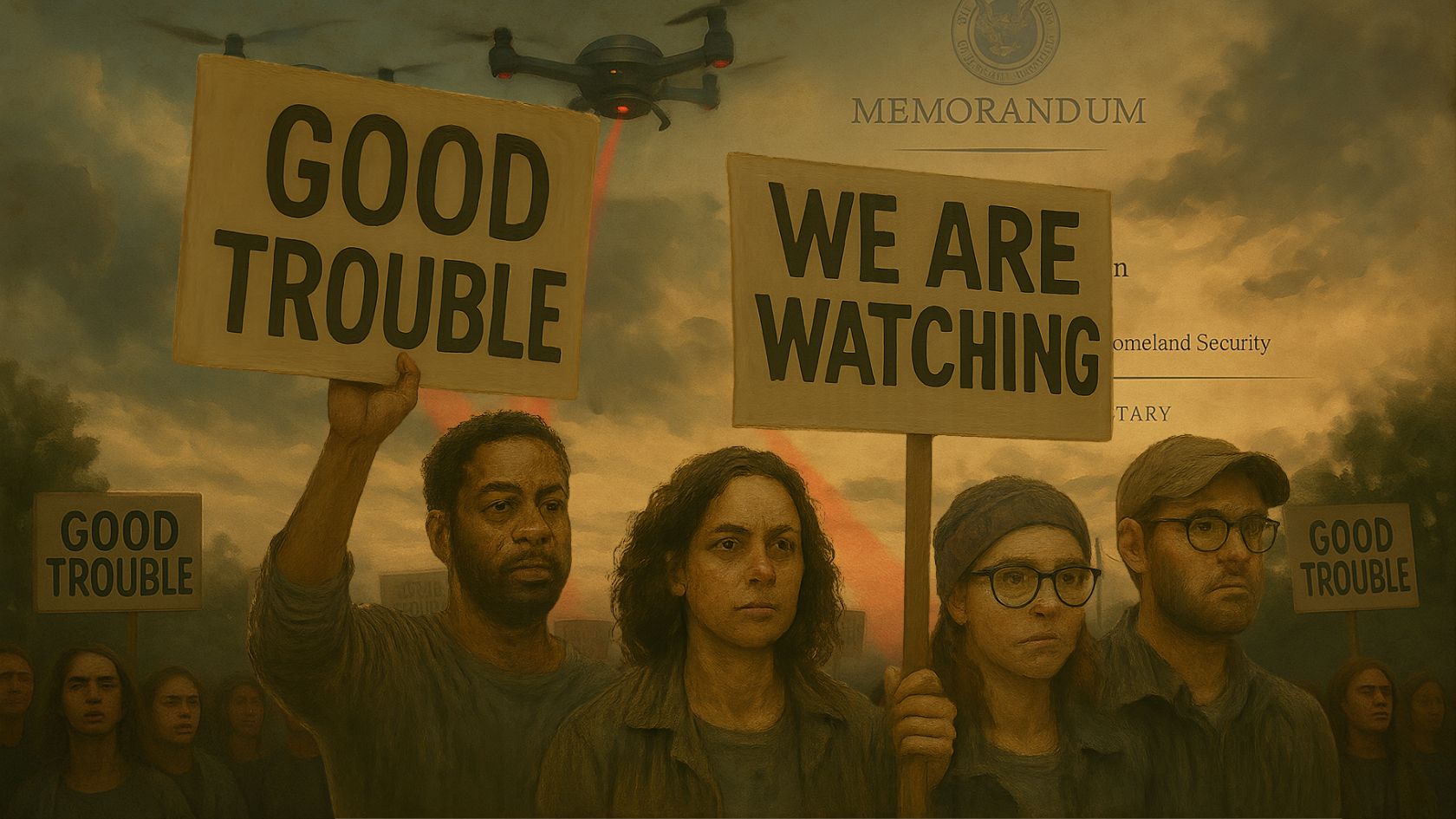
They say we’re still free. But tell that to the folks being tracked for showing up at a protest. Tell that to the ones having their biometric data logged because they held a sign.

“Good Trouble” protests this July were peaceful, intentional acts of civil resistance. And yet DHS linked them to immigration enforcement. Not because it was necessary, but because it was politically useful.

This is how authoritarianism doesn’t arrive with a bang—it arrives with a quiet memo that says: Share the data. Track the voices. Call them threats.

We must not normalize this. Dissent is not disorder. It’s the duty of the free.

MAGA’s Foreign Policy: Loud, Unilateral, Alone

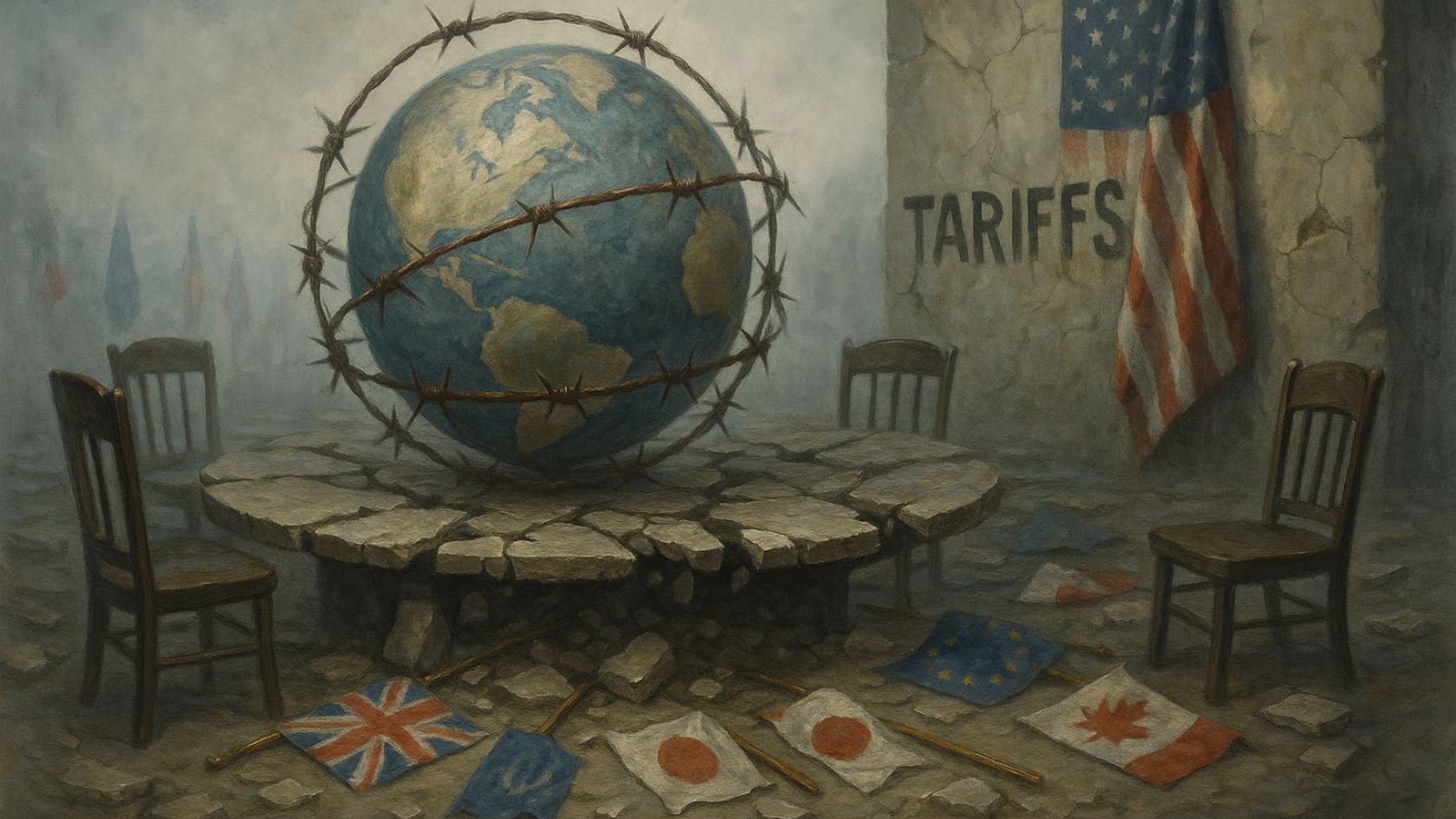
Tariffs. Retaliations. Withdrawals. If MAGA’s foreign policy had a motto, it would be: “We’re not mad—we’re just disappointed… in the entire world.”

From walking away from the WHO to antagonizing traditional allies with blanket tariffs, this administration mistakes belligerence for strength. And its reward? A steady erosion of global trust.

Only 35% of Canadians, Japanese, and Germans say they trust the U.S. now. That’s not a margin of error. That’s a collapse in credibility.

Isolation might win applause at a rally, but it doesn’t build alliances. It builds walls. And walls don’t negotiate.

The Free Press Is in the Crosshairs

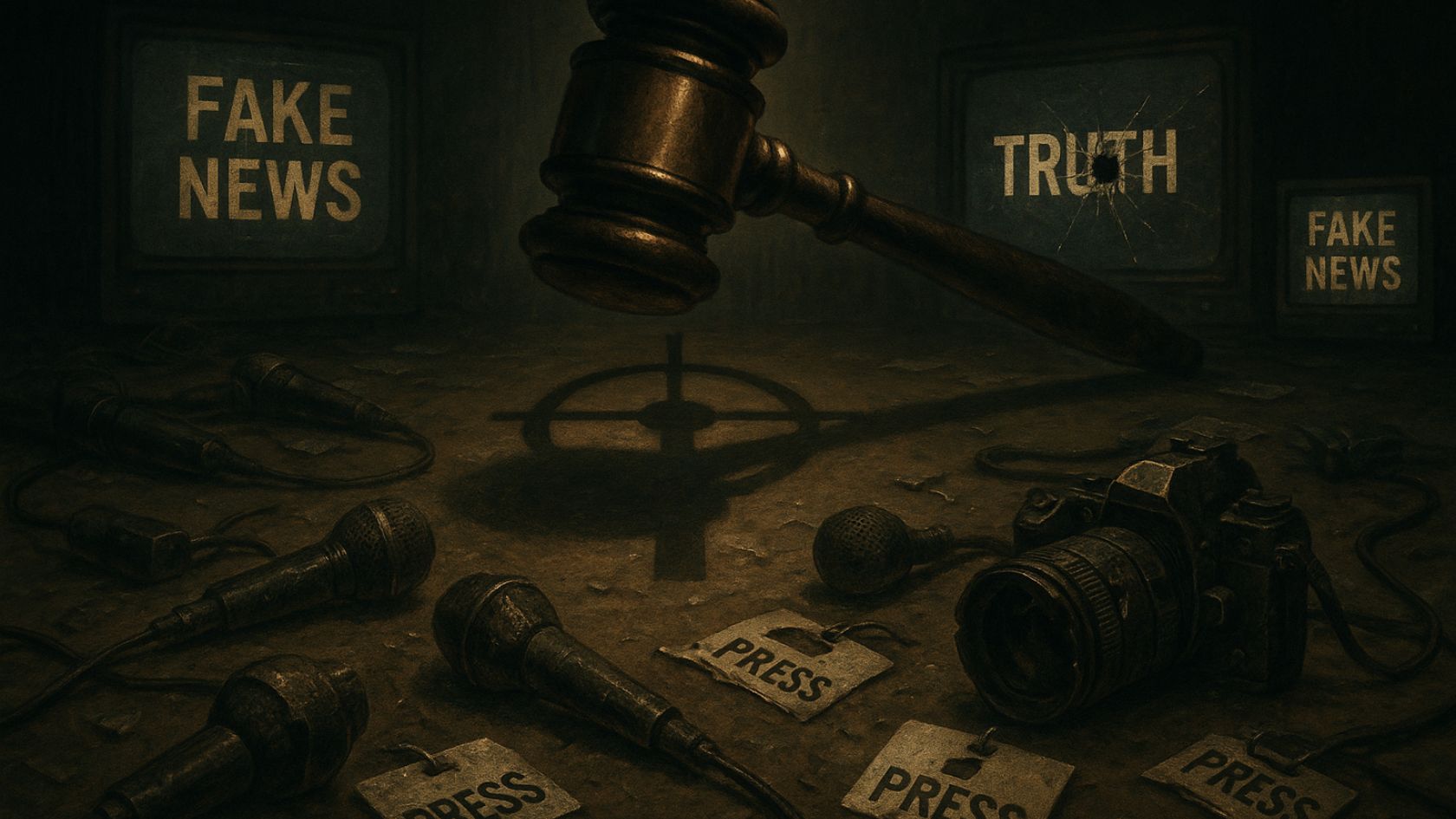
You can kill a watchdog in two ways: defund it, or discredit it. The Trump administration is doing both.

The defunding of NPR and PBS—blocked for now by the courts—isn’t about saving money. It’s about silencing voices. Pair that with visa threats to foreign journalists, and it’s clear the administration is trying to shrink the lens through which America is seen.

Meanwhile, MAGA-aligned media creates an echo chamber so tight that even truth can’t get in. And when facts become partisan, the only thing left is propaganda.

A free press isn’t a luxury. It’s the first line of defense.

How MAGA Turned Grievance Into Governance

MAGA didn’t win on policy. It won on pain—on telling working-class Americans someone else took what was theirs. It told veterans they’d been forgotten. Farmers they’d been cheated. Parents they’d been replaced.

And then it offered revenge instead of repair.

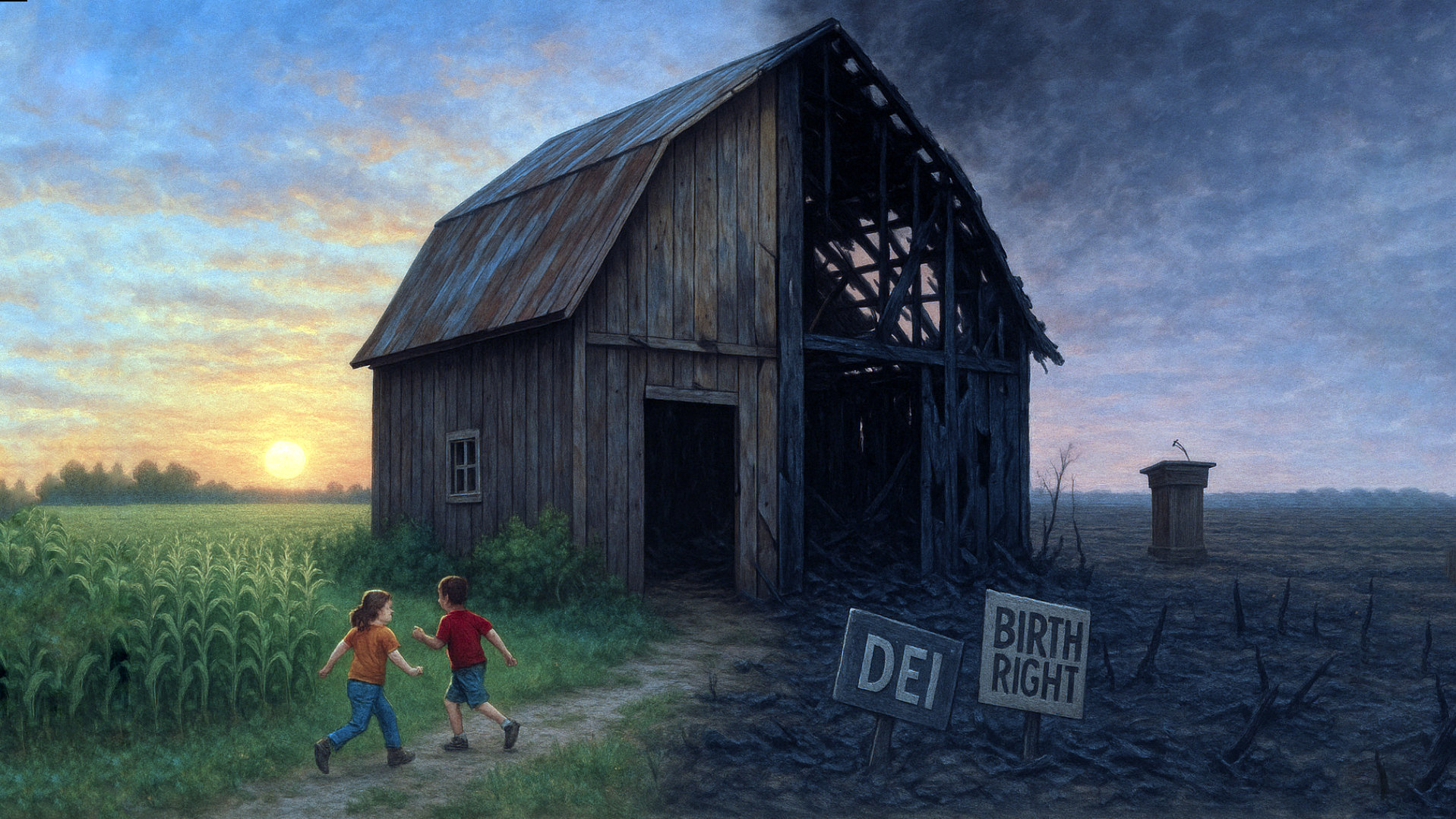
That’s how you get a movement where birthright citizenship is a bargaining chip and DEI programs are the enemy. Not because they’re broken—but because they’re visible. Because they mean someone else might get what you were told was yours.

But pain is not a platform. And resentment is not a strategy for governing. It’s a strategy for burning things down.