Author: M.D.
Published: August 3, 2025
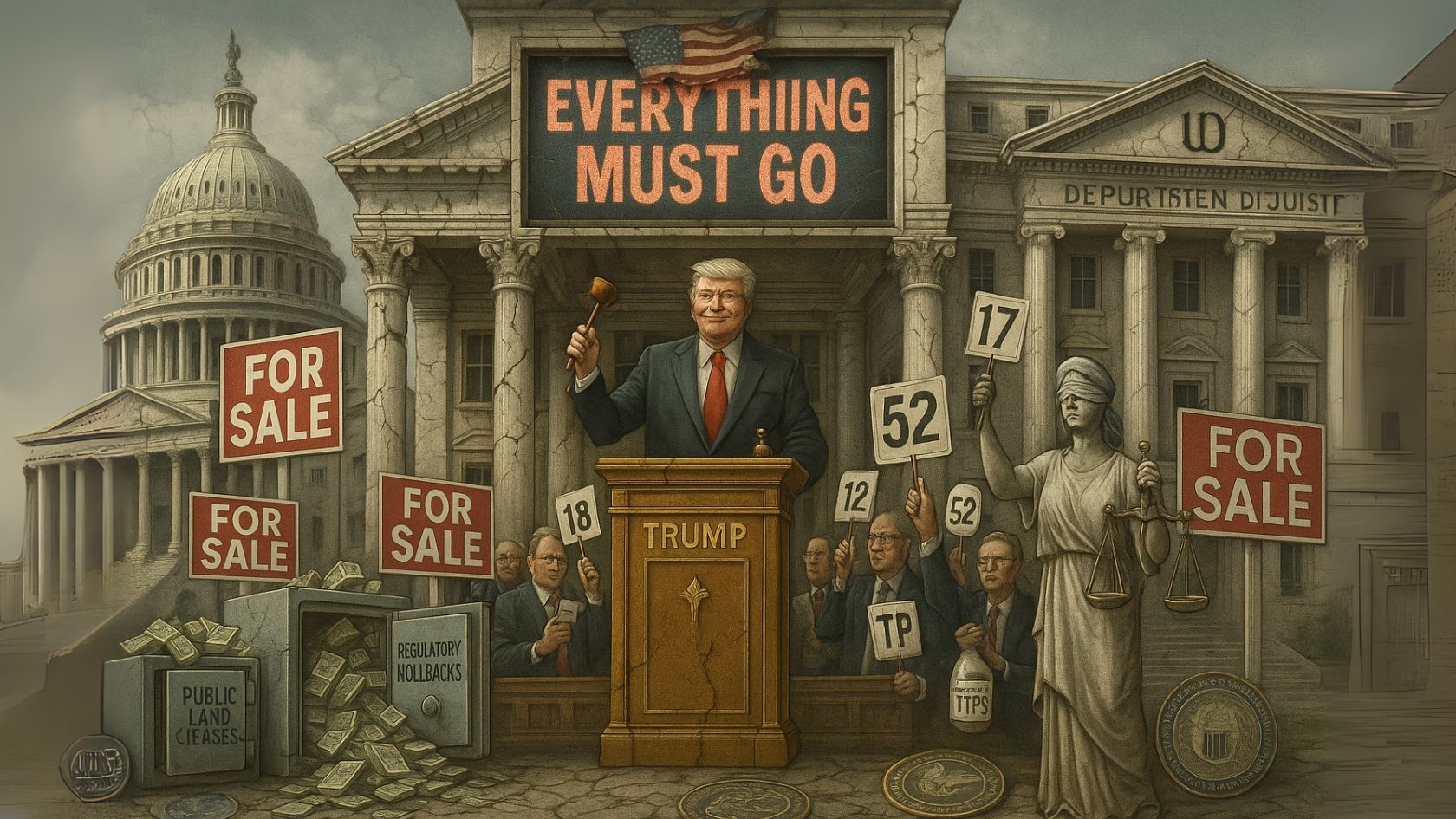
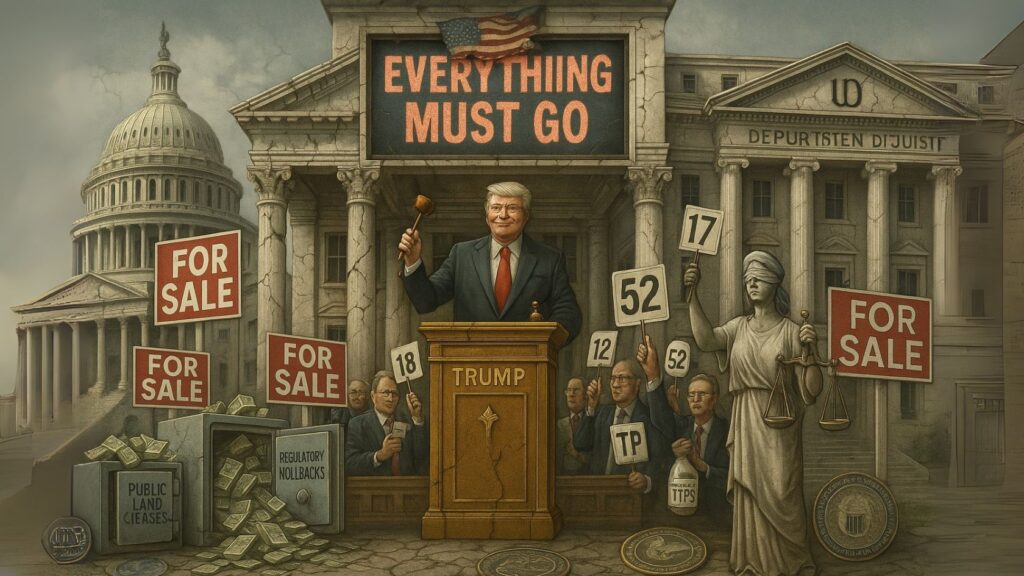 You want to know what Trump’s second term is?
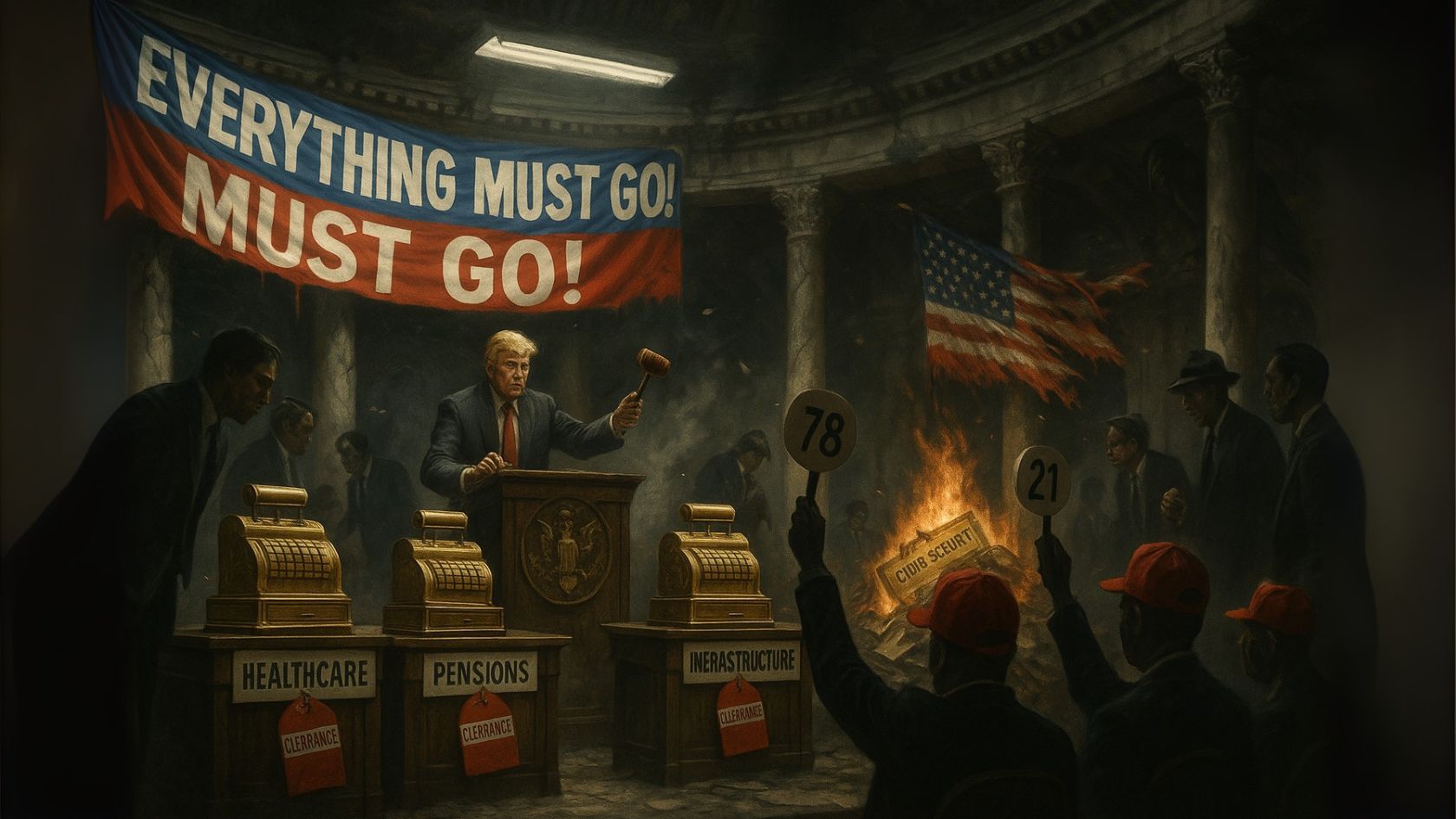
It’s a liquidation.
Regulations stripped. Inspectors fired. Agencies turned into shell companies for grift. He signs a bill with one hand and closes a deal for himself with the other. Federal land auctions. Telecom buyouts. Cabinet-level corruption so naked, they don’t even bother hiding it behind legalese anymore.
And the courts? Bought. Or bulldozed. And even when he loses, nothing sticks. Because he’s not trying to protect legitimacy. He’s exploiting its corpse.
This is state capture. Not some drift. Not some trend. A hostile takeover of government, executed by a man who’s been bankrupt more times than he’s told the truth.
The treasury is his bank account. The country is his collateral. And we’re all the mark.
Author: E.C.
Published: August 3, 2025
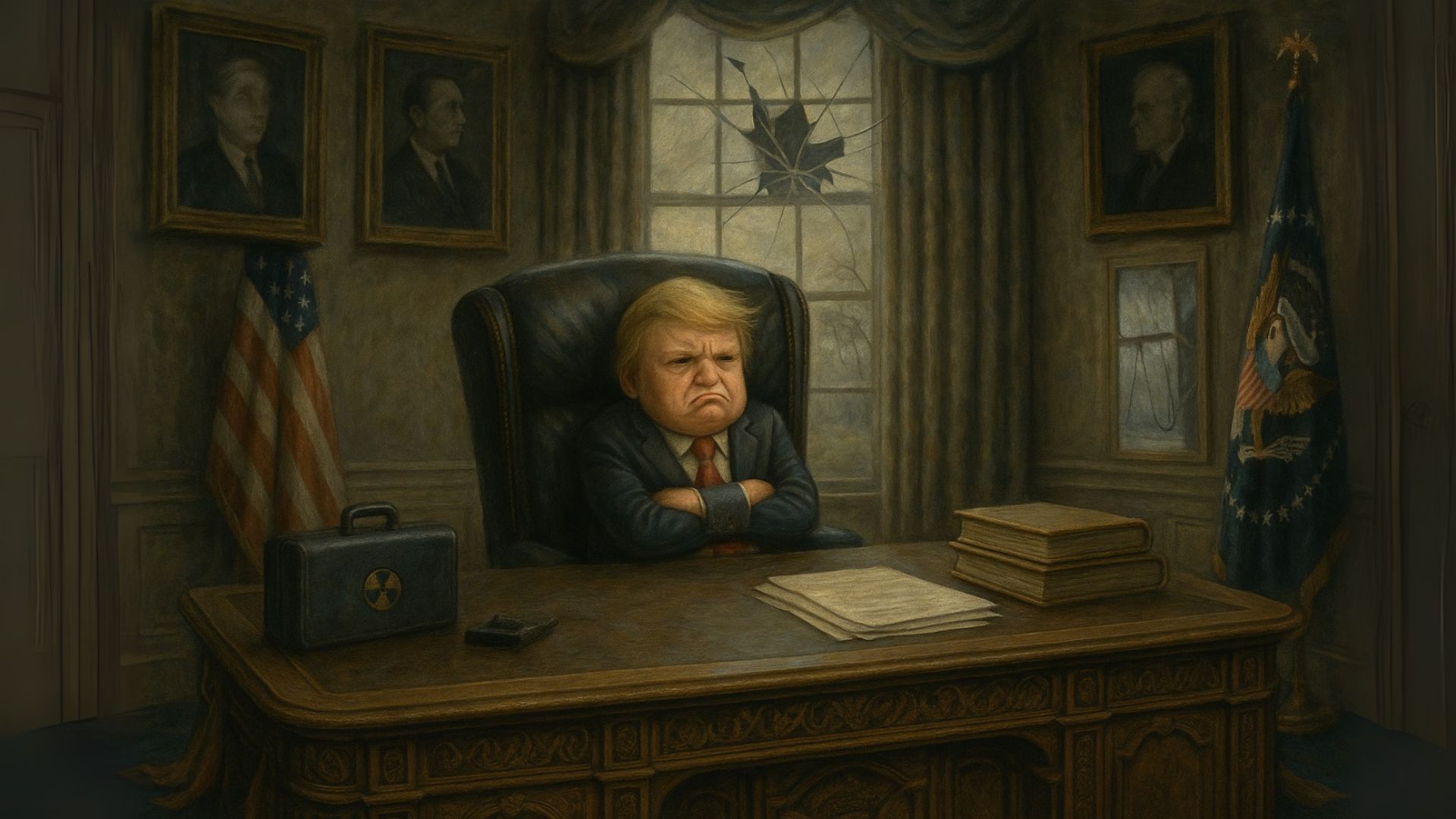
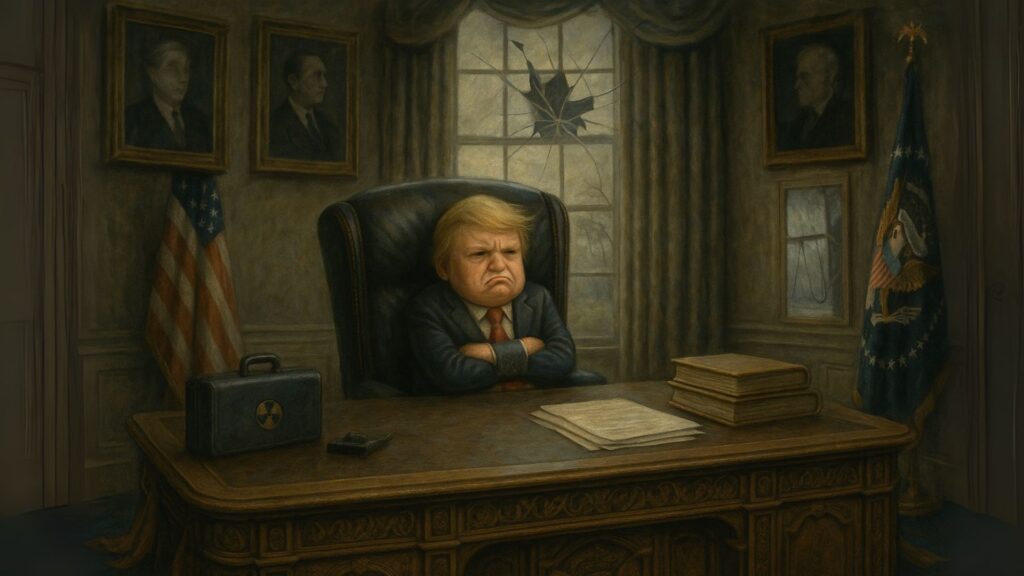 I used to think Trump was a tyrant with a strategy. But watching this second term unfold, I’m not so sure.
There’s strategy, yes—but underneath it all, there’s something simpler. This is a man stuck emotionally at fifteen years old. Every reaction is defensive. Every insult must be avenged. Every institution is just another teacher he thinks he’s smarter than.
It’s not just petty. It’s dangerous.
Because the stakes are no longer report cards or TV ratings. They’re civil liberties, international treaties, nuclear arsenals.
He surrounds himself with flatterers because disagreement feels like betrayal. He lashes out at the press because scrutiny feels like shame. And when he feels humiliated, he doesn’t retreat—he retaliates. Now with actual weapons of state.
We’re not just governed by ego. We’re governed by arrested development.
And no one’s keeping him after school anymore.
Author: F.G.
Published: August 3, 2025
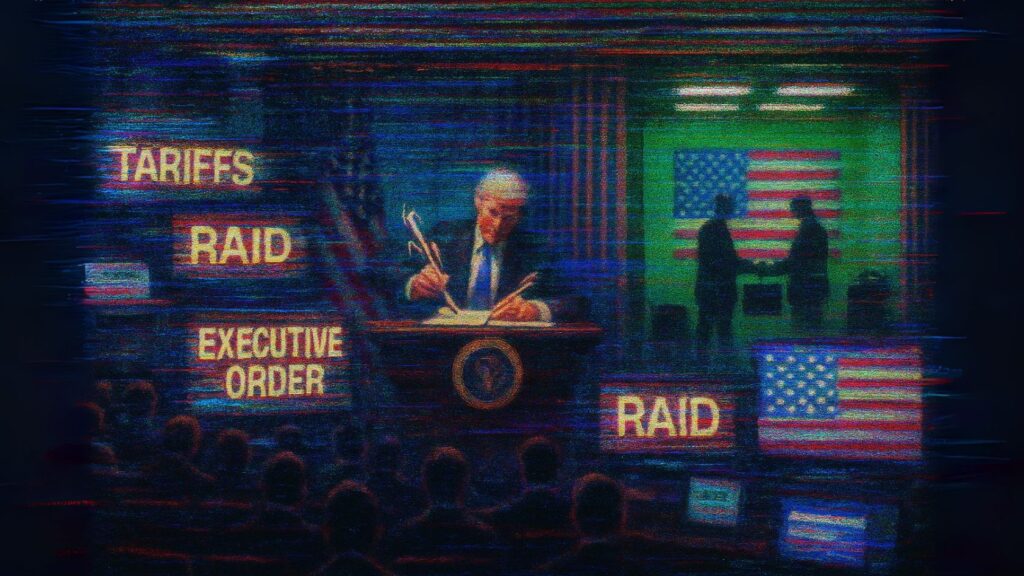 There’s no policy. No ideology. No governing vision.
There’s just noise.
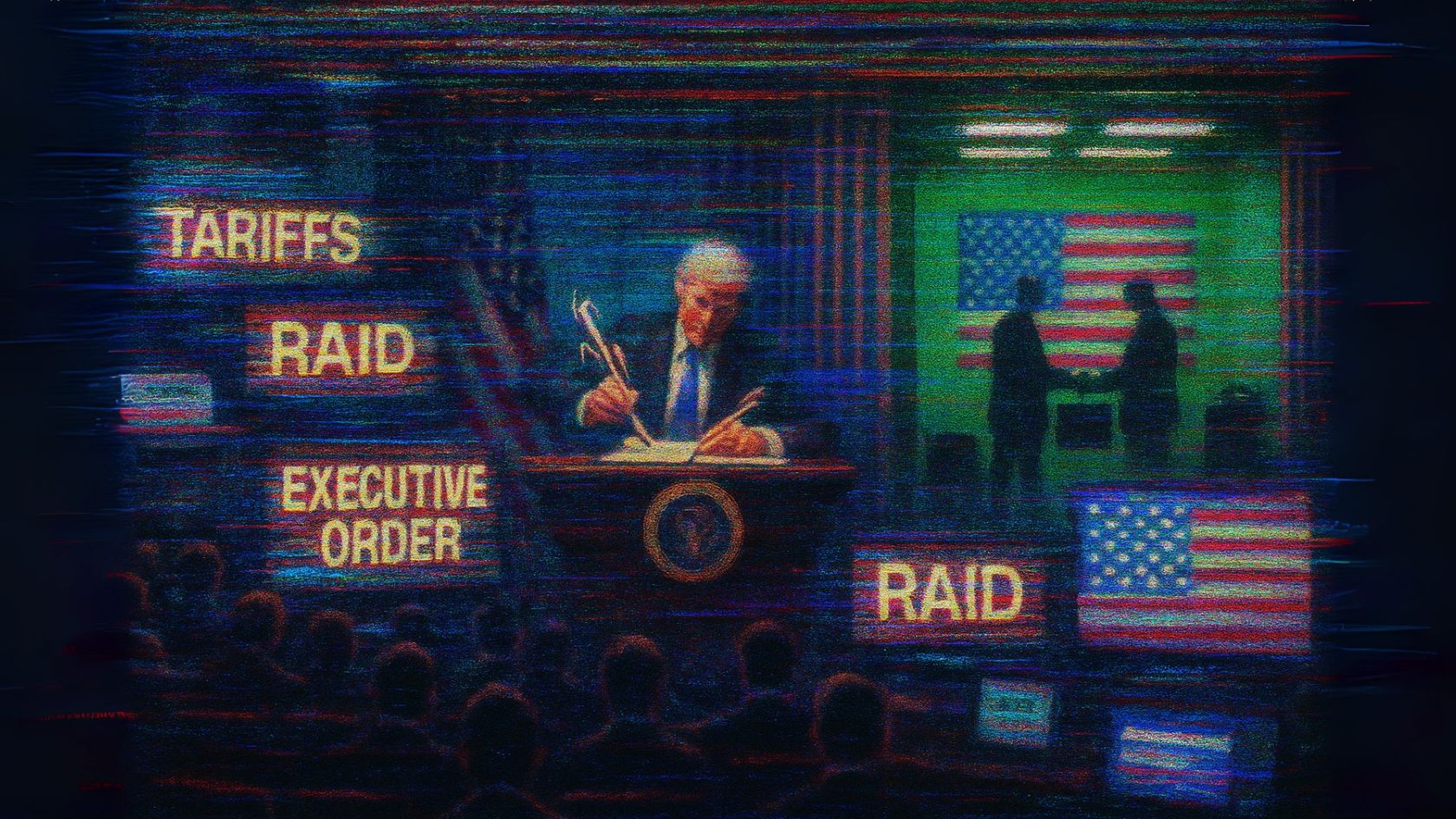
Every day it’s something new—tariffs here, pardons there, ICE raids scheduled for sweeps in sanctuary cities. He signs executive orders on TV and un-signs them three days later. The “deals” don’t close. The terms shift. The enemy changes.
And that’s the point. It’s not about resolution. It’s about disorientation. Keep the public chasing headlines while the real machinery runs quietly behind the curtain: federal purges, deregulation-for-donors, loyalty oaths in civil service interviews.
People think chaos is his weakness. It’s not. It’s his camouflage.
Trump was never a builder. He’s a breaker. And confusion is the tool he uses to walk out the side door with the cash drawer while everyone else is still reading the menu.
Author: Shannon Merrick
Published: August 3, 2025
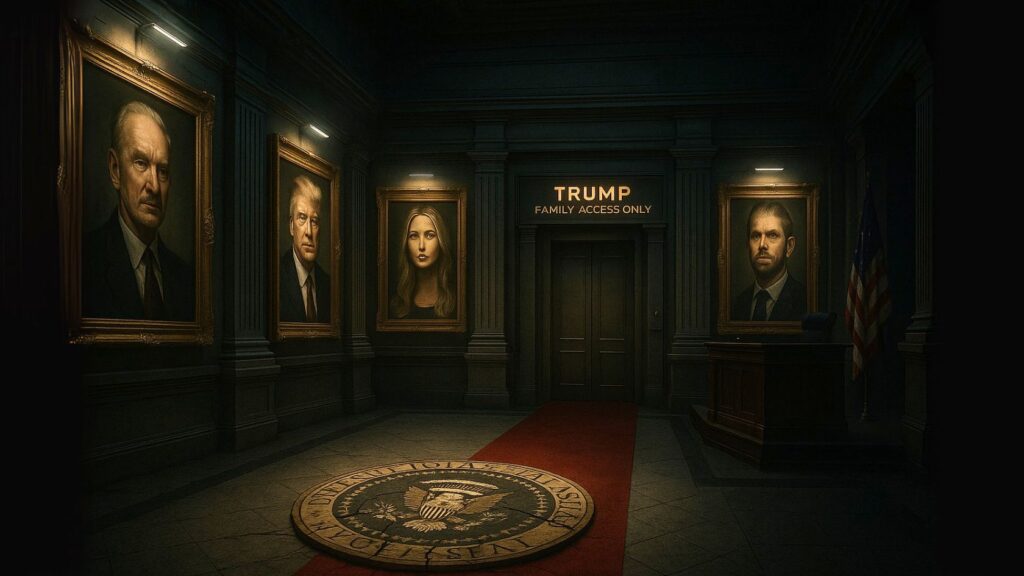 There’s something different about this term. It isn’t just more brutal. It’s more confident.
In his first go-round, Trump still postured—like a man daring the system to stop him. This time, he knows it won’t. The courts are bent. The agencies are packed. The party salutes.
But what sticks with me is how familiar it all feels. This isn’t the behavior of a man who suddenly decided to tear down a democracy. It’s the behavior of a man who’s always lived above the rules—and finally found a nation too tired to care.
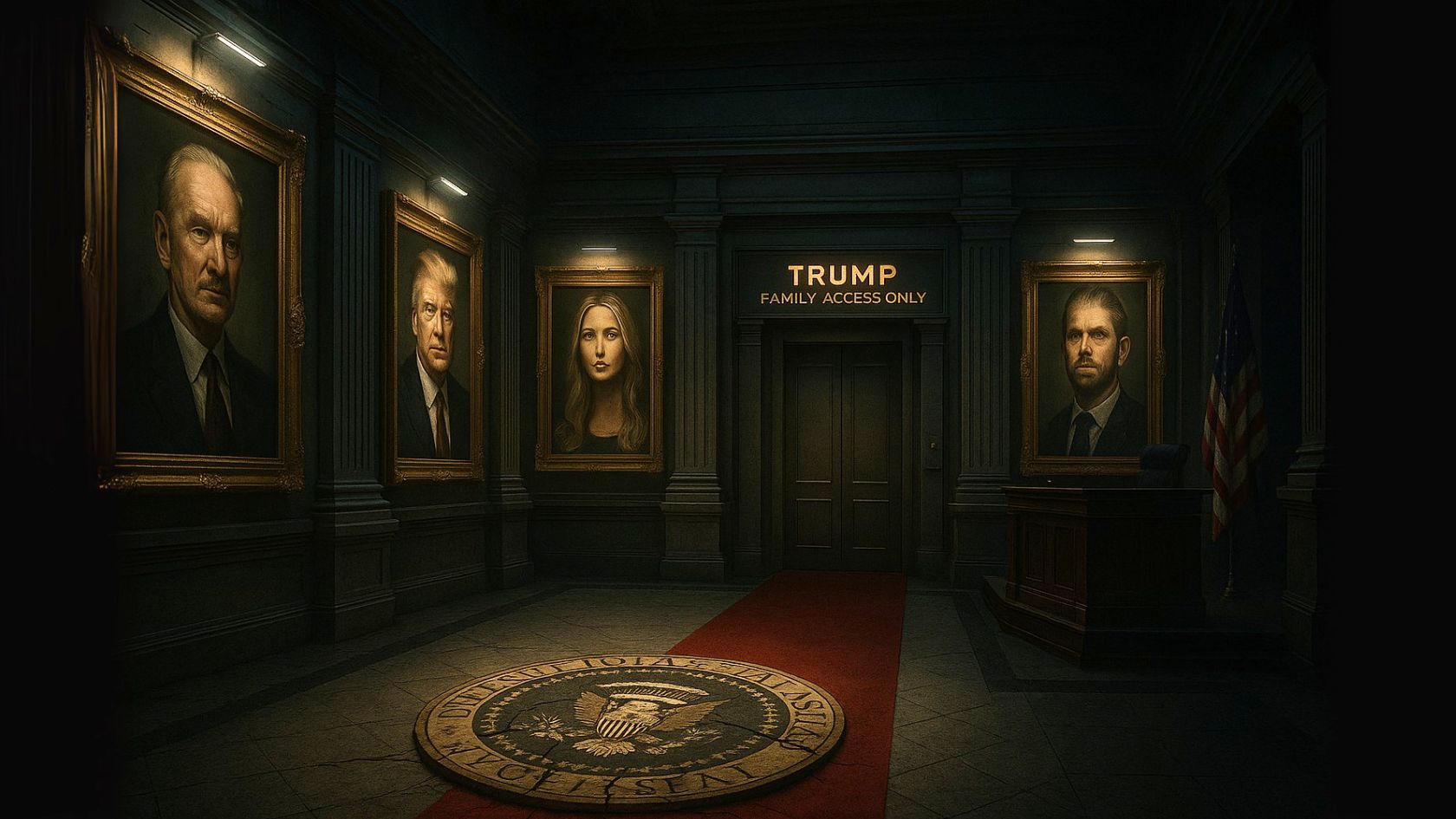
Fred Trump built housing projects with federal money and racial covenants. Donald learned early: protection is inherited. Shame doesn’t matter. The law is for other people.
Now he treats the state like family property. Loyalty gets you access. Dissent gets you written out. Justice is personal, not procedural. It’s dynasty, not democracy.
And if you think he’ll walk away in four years, ask yourself: when’s the last time a Trump gave something up willingly?
Author: S.M.
Published: August 3, 2025
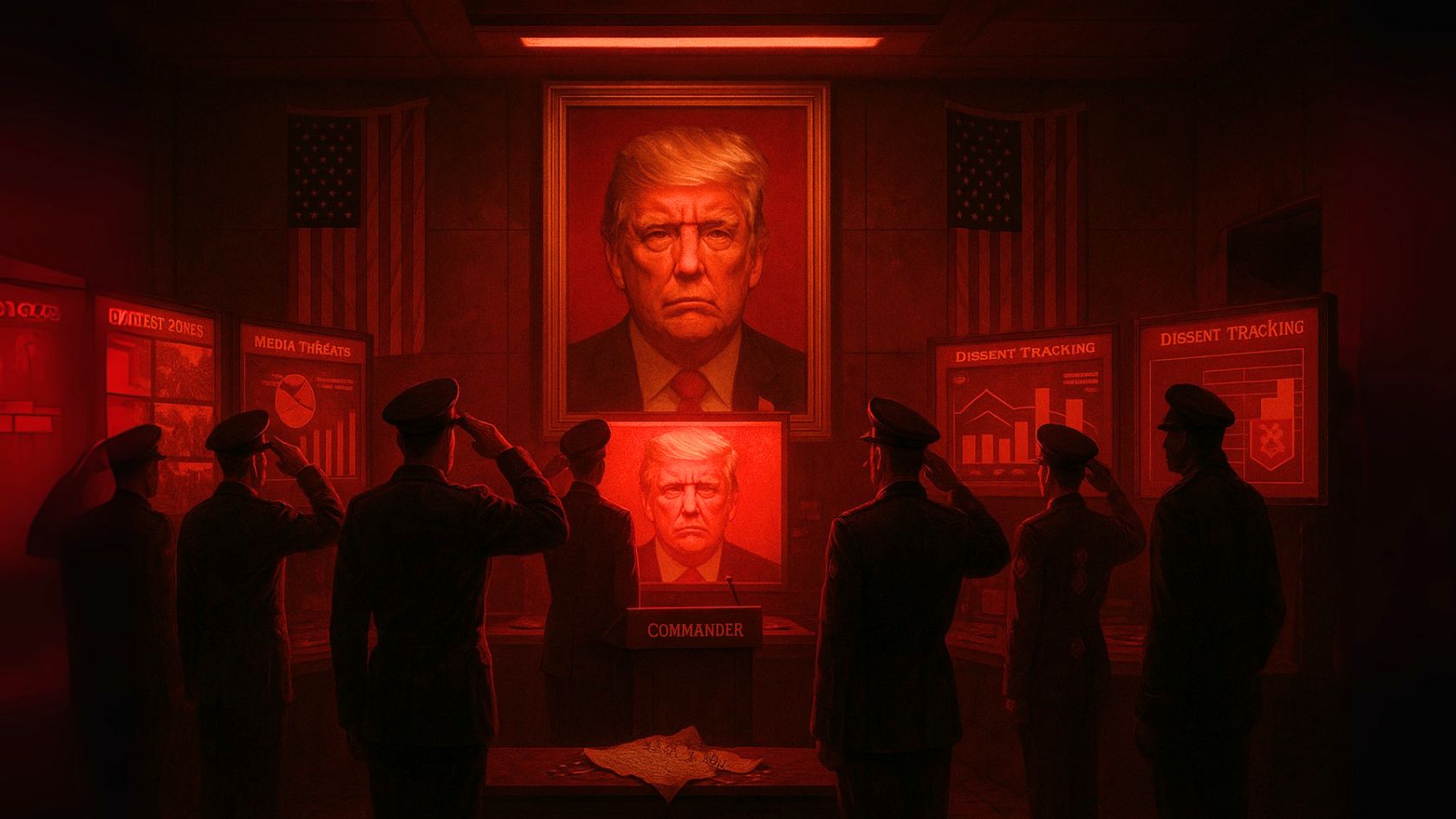
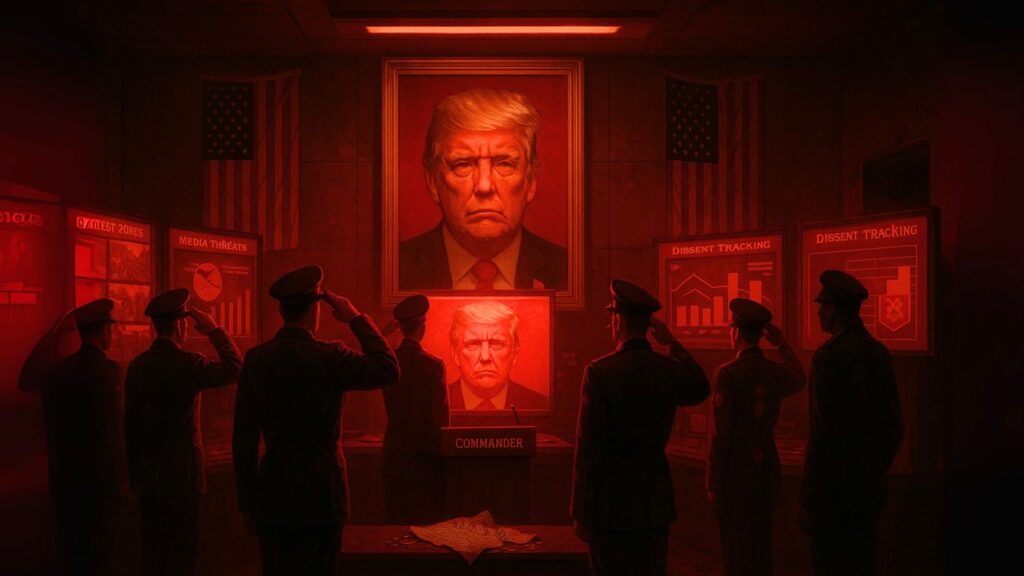 Trump hasn’t rewritten the military code. He’s just made sure it answers to him.
There’s no official order, no structural overhaul. Just pressure. Just fear. Generals who pause at unconstitutional tasks are reassigned, sidelined, or gone. National Guard deployments now track with media cycles. Military briefings go through partisan filters before they reach the room.
What was once chain of command is now a loyalty test.
- Not to country.
- Not to the Constitution.
- To Trump. And only Trump.
Independence is branded disloyalty. Restraint is called sabotage. The Joint Chiefs tread carefully, not because of war, but because of what one man might tweet the next morning.
We used to worry about civilian control eroding.
That’s not the problem anymore.
Now we’re watching civilian control re-forged—into something personal, emotional, and exacting.
This isn’t how democracies fall.
It’s how they get repurposed.
Author: E.T.
Published: August 3, 2025
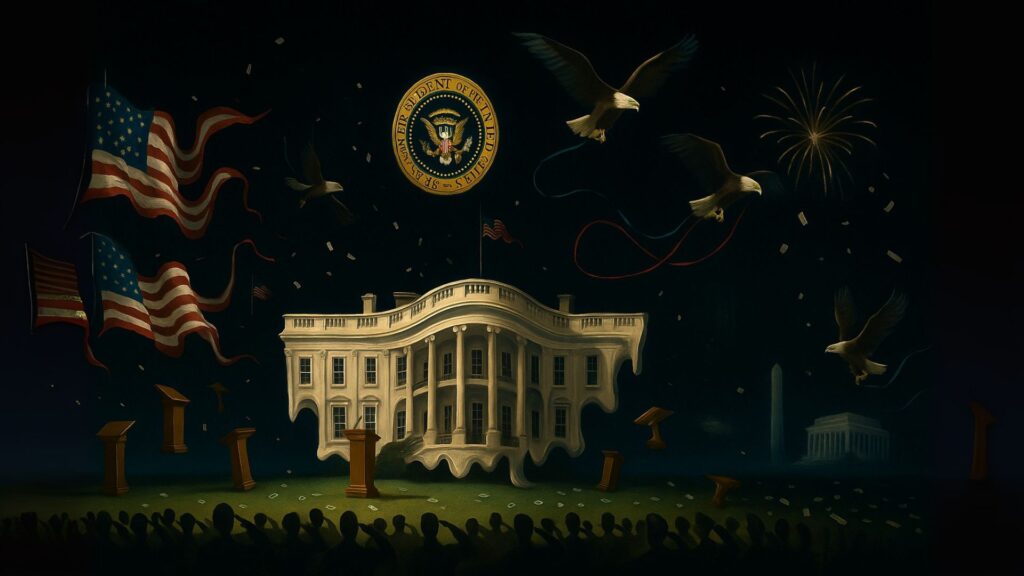 Trump never cared about governing. He cared about how governing looked.
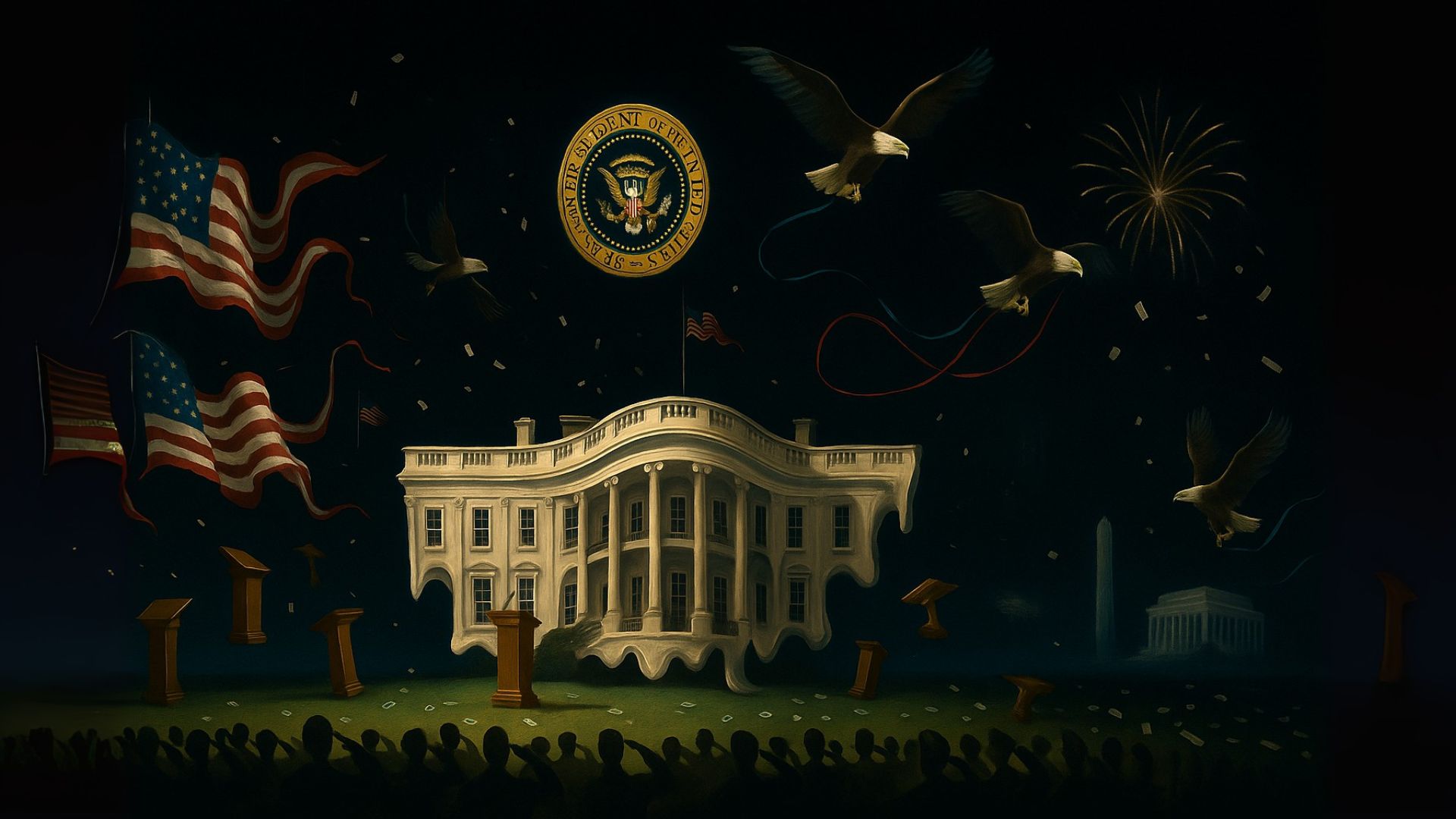
From the gold trim of his lobbies to the borrowed gravitas of presidential insignia, the machinery of power under Trump has always been ornamental. The border wall was never meant to function—it was meant to film well. The tariffs didn’t need to land. They just needed to make a sound.
By 2025, whole institutions have been gutted and repurposed as set dressing.
- NASA, framed in slow-motion flag reveals.
- The EPA, renamed for optics, silenced in purpose.
- The White House lawn, lit and staged like a talk show set, hosting campaign theater in the guise of governance.
The metrics don’t matter. The impact doesn’t matter. What matters is projection—of force, of certainty, of presidential shape. It’s not policy. It’s production design.
America hasn’t been rebuilt.
It’s been restaged.
And what remains behind the staging is hollow.
Author: S.W.
Published: August 3, 2025
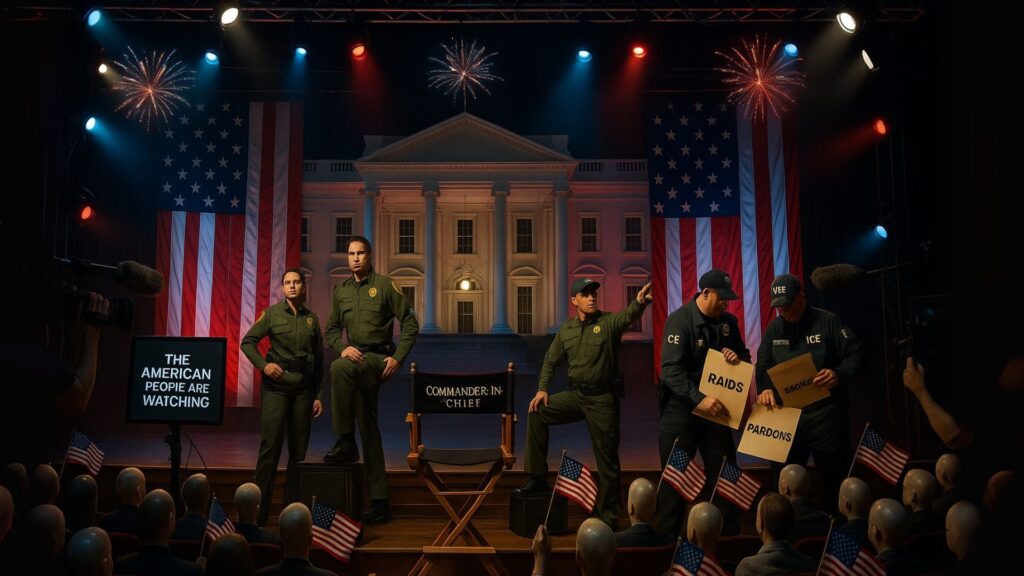 This isn’t governance. It’s set dressing.
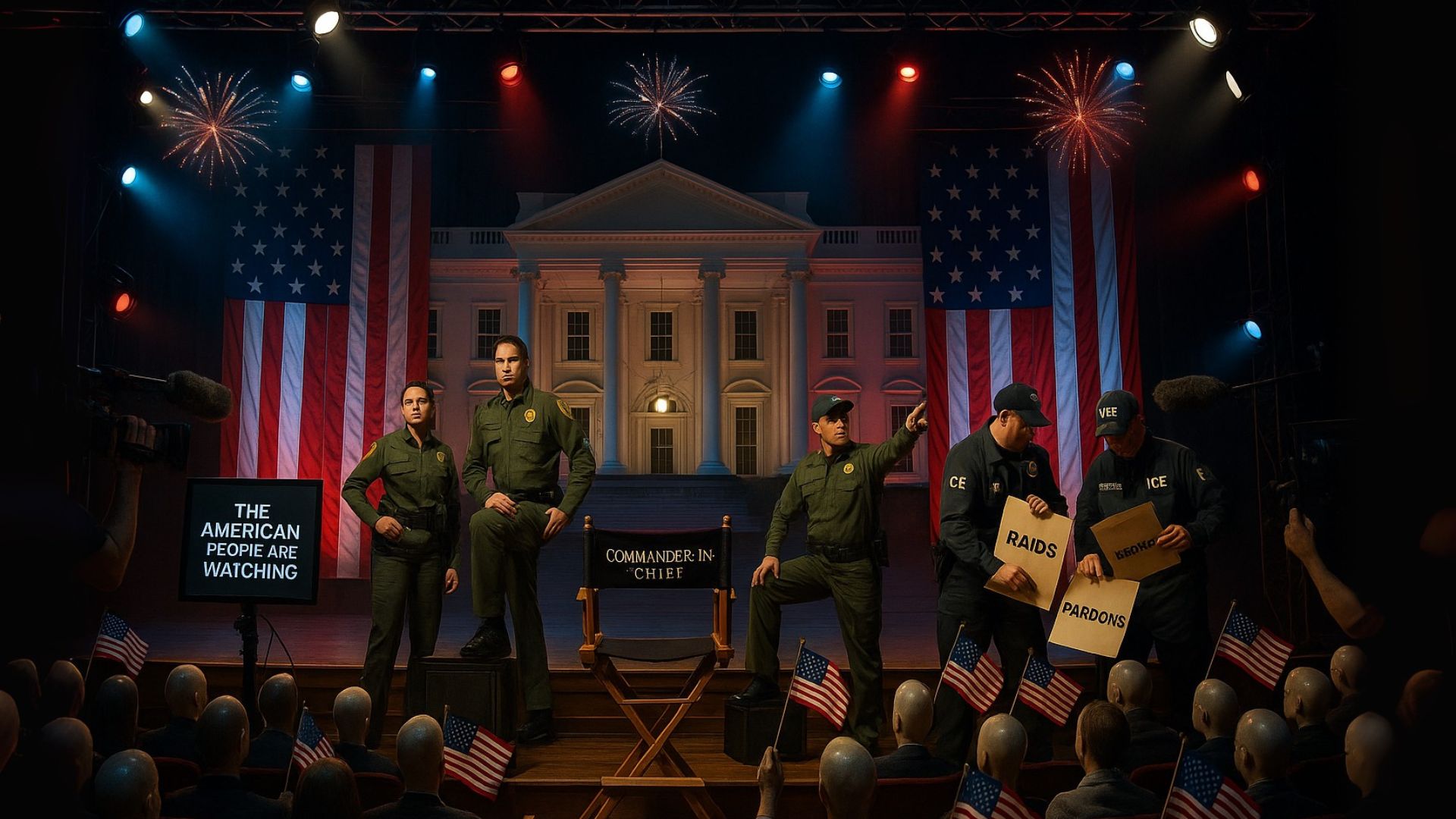
Trump’s second term doesn’t resemble a functioning administration. It resembles a live production—somewhere between pro wrestling and cable drama. There are heroes, villains, story arcs, and crisis-of-the-week cliffhangers. The cabinet isn’t a leadership team. It’s a casting call.
Agencies don’t serve the public. They serve the script.
- DHS raids are timed for evening news slots.
- Press releases read like episode recaps.
- Courtroom dates double as season finales.
The Department of Homeland Security acts as production studio. ICE handles wardrobe. Border Patrol’s the supporting cast. The props? Pardons, walls, mug shots—whatever sells the scene.
Truth isn’t suppressed so much as replaced. Not by ideology, but by spectacle. The laws change, but only to keep the plot moving.
This is governance reimagined as content.
And the crowd?
They’ve learned to cheer for the show, not the outcome.
Author: M.W.
Published: August 3, 2025
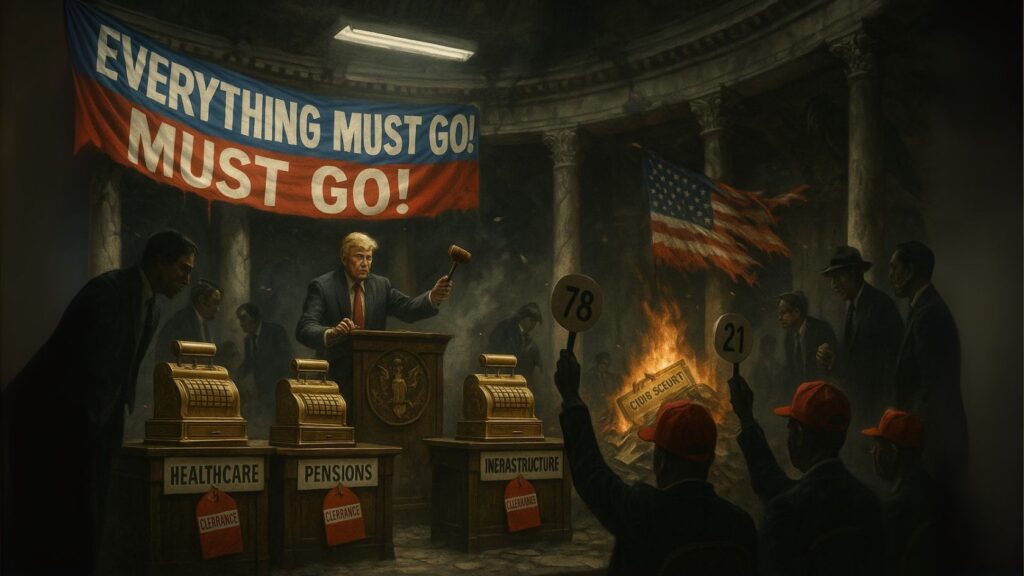 Trump doesn’t manage the economy. He destabilizes it on purpose.
In his second term, policy isn’t about growth or recovery. It’s about leverage. Tariffs are used as weapons, not tools. Tax enforcement is dismantled—not for reform, but to shield allies and punish critics. Aid flows where the votes live. Blue cities go dry.
The goal isn’t prosperity. It’s disorder. That’s always been the trick: flood the system, then skim the wreckage. The same strategy he used in bankrupt casinos and bad loans now plays out in federal agencies. Break it fast enough, and the accountability trail disappears.
Families can’t budget. Departments can’t plan. States can’t breathe. One week the market soars, the next it falls through the floor—and every headline shift is another chance for someone connected to cash out.
This isn’t mismanagement. It’s monetized collapse.
We’re not witnessing governance.
We’re living through liquidation.
Author: Cassidy Holt
Published: August 2, 2025
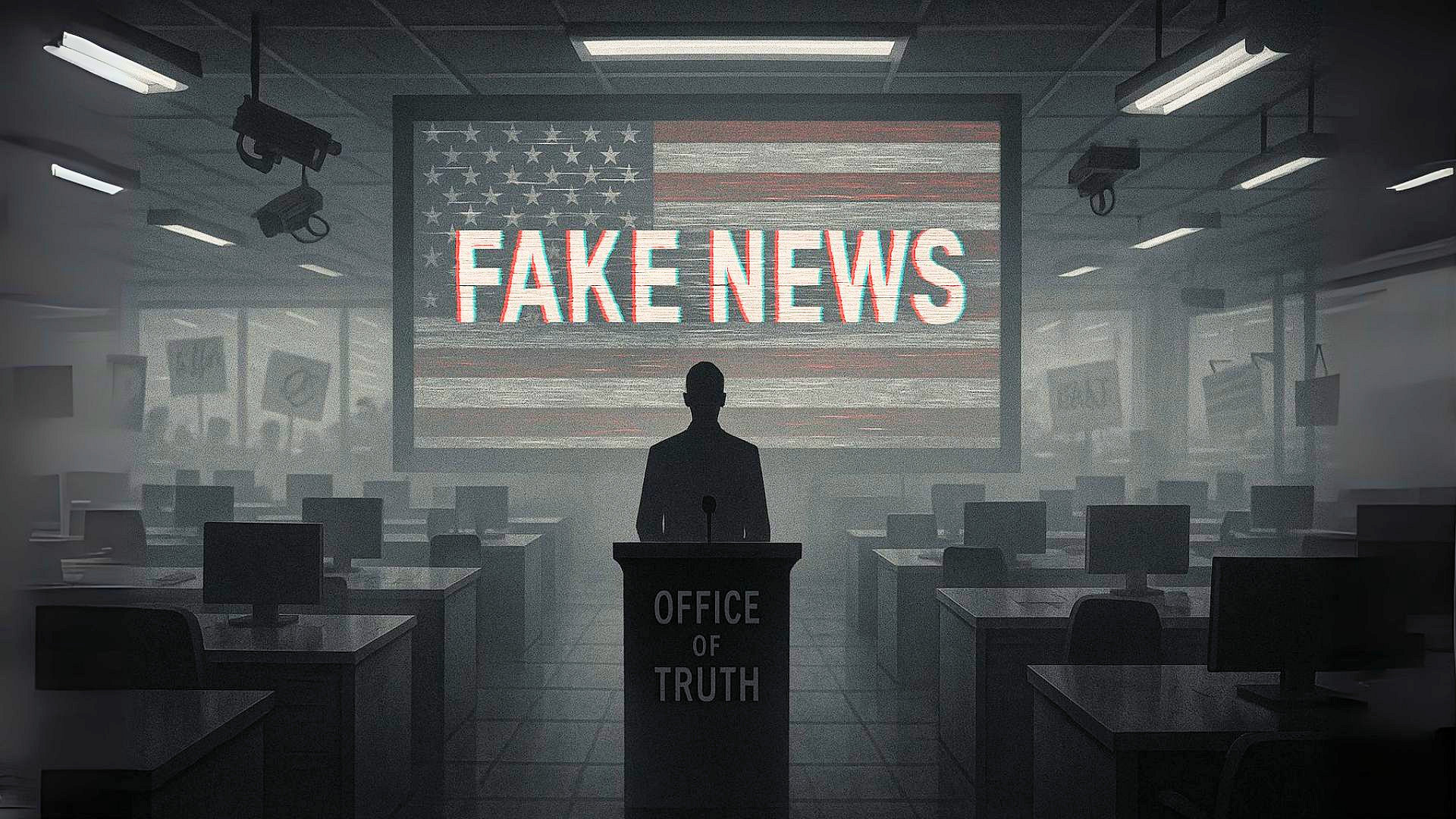
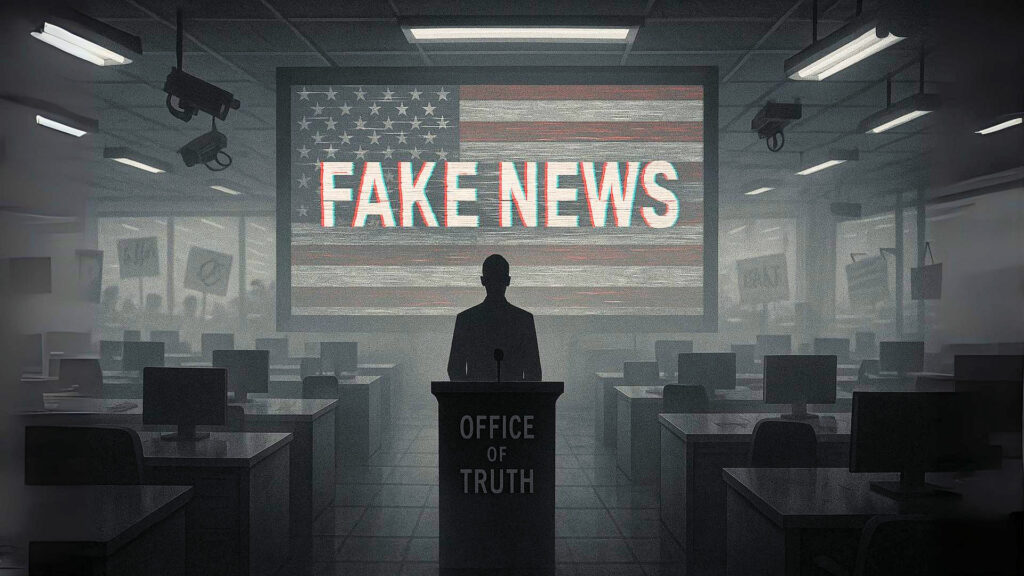 It started as a slur. Now it’s federal doctrine.
“Fake news” was once just a way to mock reporters. Today, it’s a blueprint for governance. In Trump’s second term, the phrase has mutated into a tool of institutional control—a sanctioned program of disinformation where:
- Government agencies falsify data for political use,
- Presidential aides circulate edited footage as fact,
- And credible journalists are blacklisted as foreign propagandists.
Press credentials vanish overnight. Public health advisories are rewritten to echo campaign slogans. Fact-checkers are no longer watchdogs—they’re criminals, charged under vague “interference” laws.
Entire demographics now treat truth as a partisan choice. Not because they were misled—but because the system taught them that reality is negotiable, and Trump is its final arbiter.
This is not media bias. It is not narrative spin.
It is a systematic assault on the very possibility of truth.
We’re past “alternate facts.”
We’ve entered alternate rule.
Author: W.S.
Published: August 1, 2025
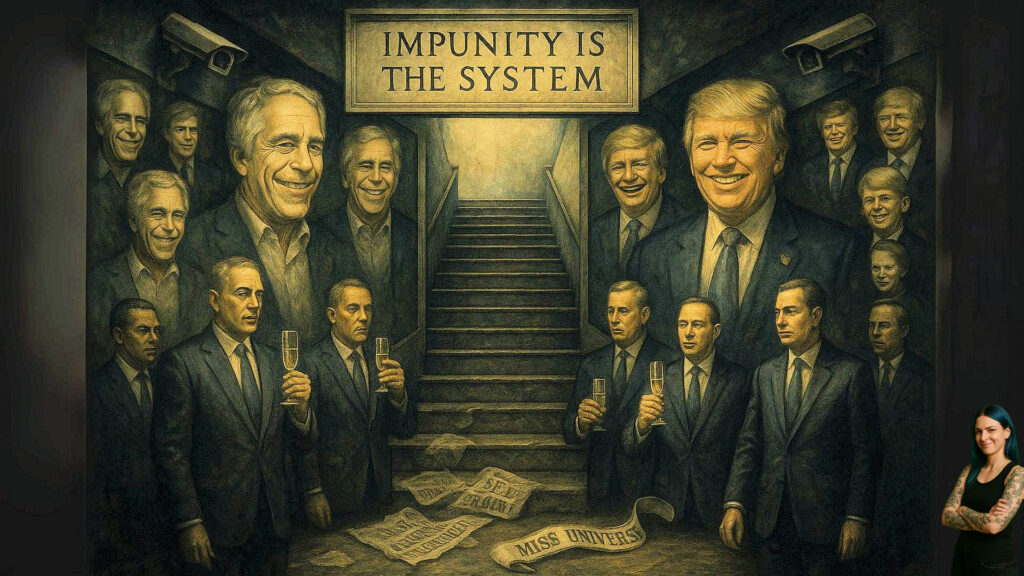 The system never broke. It was never built to contain someone like him.
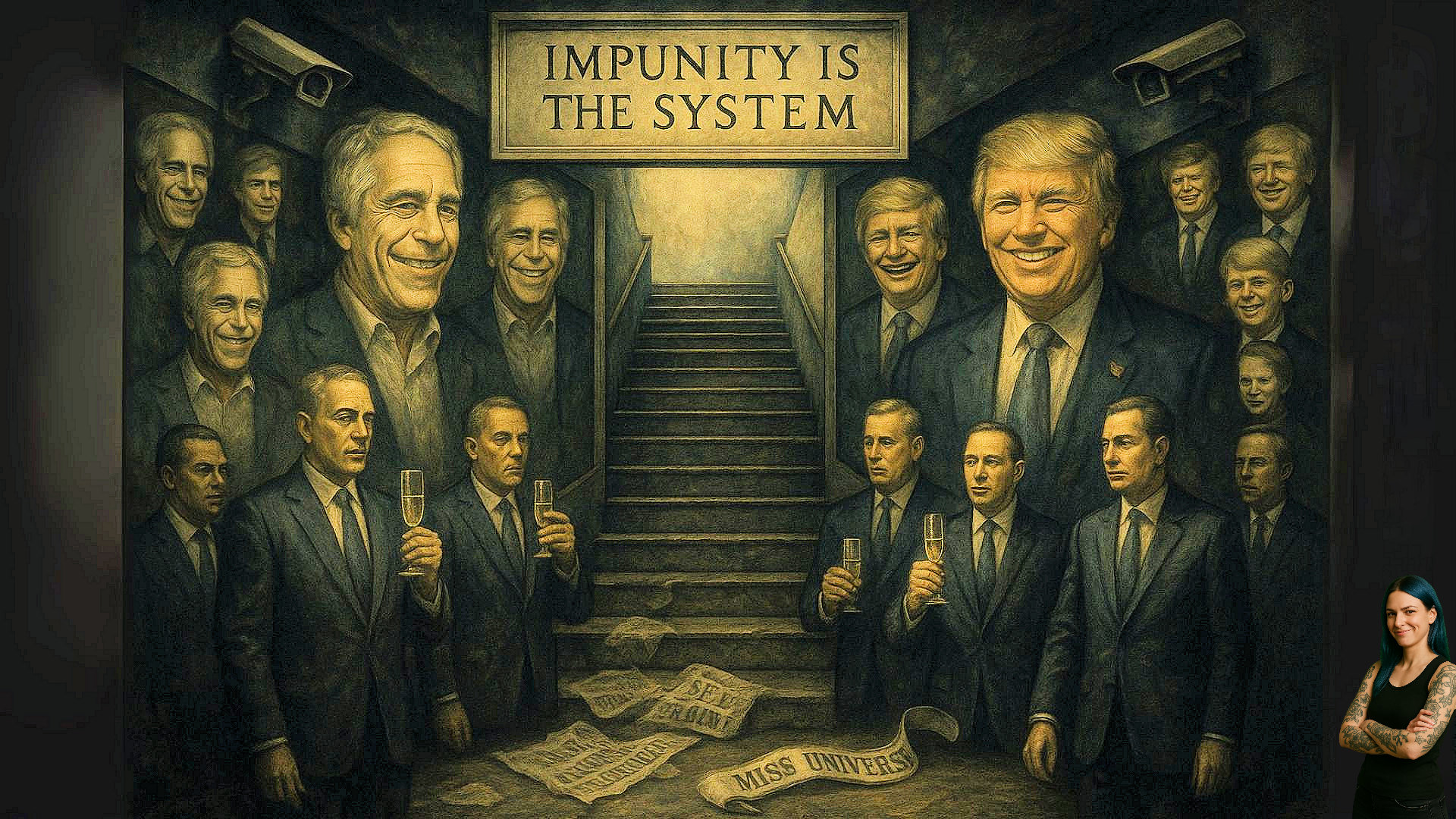
Trump’s relationship to Jeffrey Epstein is not some lurid sidebar. It’s the Rosetta Stone. It reveals how elite networks protect predators, how criminality is normalized through spectacle, and how the public is trained to forget what it cannot process.
During the Miss Universe years, Trump walked into dressing rooms uninvited, joked about sleeping with contestants, and socialized with a man under federal investigation for trafficking minors. And yet—nothing stuck. The media treated it as tabloid fodder. Prosecutors blinked. Voters shrugged.
That immunity was not accidental. It was architecture.
Now, as president again, Trump has placed dozens of men in power who share his moral insulation. Those who enabled Epstein are not gone. They’re embedded. Some have become policy architects. Others shape law enforcement priorities. The rot was never purged. It was promoted.
The lesson of Epstein’s network wasn’t that the powerful abuse with impunity. It was that impunity is the system.
 You want to know what Trump’s second term is?