December 3, 2025, unfolded beneath a veil of lingering storm clouds over the nation’s capital, where the remnants of yesterday’s nor’easter dripped from the eaves of federal buildings like reluctant tears. In Chicago, where the query originates under Central Standard Time, the day began with a crisp bite in the air, Lake Michigan’s waves churning against the shore as if echoing the country’s internal turbulence. This Wednesday was no mere midpoint in the week; it was a relentless continuation of America’s fractured saga, where executive decrees clashed with judicial rebukes, military scandals deepened into chasms of accountability, and economic signals flickered between promise and peril. From the bustling trading floors of Wall Street to the quiet vigil sites in border towns, the United States wrestled with its identity—a superpower grappling with the weight of its own excesses, where the allure of isolationism battled the pull of global entanglements, all amid a holiday season that dangled cheer but delivered discord.
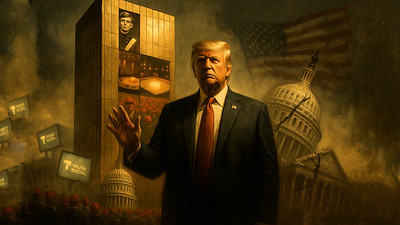
At the epicenter of the day’s drama loomed the White House once more, where President Donald J. Trump, undeterred by the brewing storms of controversy, hosted a midday press event in the East Room at 1:15 p.m. Eastern Time. Surrounded by a phalanx of advisors, including the ever-vigilant Chief of Staff Susie Wiles, Trump doubled down on his economic offensive, unveiling a fresh volley of tariffs on European luxury goods—wine from France, cars from Germany—framed as retaliation for “unfair trade practices that bleed America dry.” The announcement, delivered with his signature flair, sent ripples through global markets, but back home it ignited immediate backlash from Midwestern farmers already reeling from retaliatory duties on soy and corn. In a side room huddle, Treasury Secretary Scott Bessent fielded urgent calls from importers, while whispers of an impending Supreme Court showdown over tariff authority grew louder, with justices signaling a potential hearing in the new year that could unravel billions in revenue.
The war crimes shadow from the previous day refused to dissipate, morphing into a full-blown crisis that ensnared the Pentagon’s highest echelons. Defense Secretary Pete Hegseth, facing mounting calls for his resignation, appeared before a hastily convened House Armed Services Committee at 10:00 a.m., where he stonewalled questions about the Caribbean “double-tap” incident with terse denials and invocations of national security. Leaked audio from the operation’s command center, surfacing on social media by noon, captured a voice—allegedly Hegseth’s—urging “no survivors, no stories,” prompting outrage from veterans’ groups and a rare bipartisan rebuke. Senator Tammy Duckworth, drawing from her own combat experience, labeled it “a betrayal of every uniform,” while House Republicans scrambled to defend the action as a necessary strike in the fentanyl war. Navy Vice Admiral Frank Bradley, testifying remotely from Norfolk, shifted blame upward, hinting at White House pressure that blurred the lines of command. The scandal’s tendrils extended to international waters, with the United Nations Human Rights Council announcing a preliminary inquiry, a move the administration dismissed as “globalist meddling.”
Domestic fissures cracked wider across the map. In Arizona’s sun-baked borderlands, Homeland Security operatives expanded “Operation Catahoula Crunch” northward, conducting dawn raids in Phoenix that detained over a hundred individuals, many with long-standing ties to local communities. Secretary Kristi Noem, touring the sites via helicopter, praised the sweeps as “draining the swamp of illegal burdens,” but civil rights advocates decried them as family-shattering overreach, with protests erupting outside ICE facilities by afternoon. In a judicial twist, the Ninth Circuit Court of Appeals issued an emergency stay on the green card pause for those 19 “countries of concern,” citing constitutional violations, only for the Justice Department to vow an immediate appeal. Meanwhile, in New Jersey, the fallout from Alina Habba’s ouster intensified as federal prosecutors dropped charges in several high-profile cases, including a corruption probe tied to Trump allies, fueling accusations of politicized justice.
Economically, the day pulsed with a mix of innovation and anxiety. The Labor Department released preliminary October jobs data at 8:30 a.m. Eastern, showing a robust 145,000 additions, led by gains in manufacturing and energy sectors—credits Trump claimed in a triumphant post on Truth Social. Yet beneath the headlines lurked warnings: corporate earnings calls from Ford and General Motors forecasted production cuts due to tariff-induced supply chain snarls, with potential layoffs numbering in the thousands come spring. In Silicon Valley, the optimism surged as OpenAI announced a breakthrough in quantum-resistant encryption at a San Jose conference, partnering with IBM to shield data from future cyber threats. Tesla’s stock jumped 7% on news of expanded Gigafactories in Texas, promising autonomous trucking fleets that could revolutionize logistics but displace legions of drivers. Amazon’s AWS, building on yesterday’s re:Invent buzz, rolled out enhanced AI agents capable of predictive analytics for small businesses, a tool hailed by entrepreneurs but eyed warily by labor unions fearing job obsolescence.
Nature, ever the equalizer, interjected with its own narrative. The nor’easter’s tail end brought sleet to the Midwest, coating Chicago’s streets in a glassy sheen that caused pileups on the Dan Ryan Expressway and delayed flights out of O’Hare. In California, a mild earthquake—measuring 4.2 on the Richter scale—rattled Los Angeles just after dawn Pacific Time, cracking sidewalks in Hollywood but causing no major damage, a subtle reminder of the earth’s indifference to human machinations. For levity, a flock of escaped emus from a Florida farm caused chaos on Interstate 95, herding traffic to a standstill in a scene that went viral, offering a feathered farce amid the gravity of the day.
As twilight descended, casting long shadows over the National Mall, December 3, 2025, etched itself into the ledger of a nation teetering on transformation. Trump’s envoys, fresh from Moscow, reported tentative progress on Ukraine talks, though skeptics decried it as capitulation to aggression. Israeli Prime Minister Benjamin Netanyahu’s pardon plea went unheeded publicly, but private channels buzzed with speculation of backroom deals. In quieter corners, from Chicago’s neighborhood gatherings to rural heartland hearths, Americans pondered the path ahead— a republic forged in revolution, now navigating the tempests of division and dominance. How resilient is this experiment when tested by ambition unchecked? The archives of time hold the verdict, urging perseverance through the gathering gloom toward whatever dawn may break.