Donald Trump has never had a drink in his life, or so he says. He’s been very vocal about it, tying his sobriety directly to the alcoholism and death of his older brother, Fred Trump Jr. It’s one of those rare personal principles he’s managed to keep consistent, a testament to the grim lesson he learned watching Fred struggle with alcoholism before his death in 1981. Trump was 35 when his brother died—not exactly an impressionable kid, but apparently enough for it to stick. His choice to abstain from alcohol, even during his party-laden days in the ’80s, is a point of personal discipline—maybe even one of the few areas where his actions match his rhetoric.
But the influence didn’t just come from Fred. Donald’s father, Fred Trump Sr., was famously strict and disciplined, drilling into his children the importance of self-control and image. Alcohol was seen as a sign of weakness—something unworthy of the Trump name. That legacy of control, mixed with the grim example of his brother’s struggle, likely reinforced Donald’s public abstinence. Sobriety, for Trump, wasn’t just a choice; it was a brand.
But here’s where the narrative gets murky. Trump has always marketed himself as the disciplined businessman who steered clear of the excesses that ensnared so many of his contemporaries. Yet, accounts from the late 1980s and 1990s paint a picture of a man regularly on the nightlife circuit, rubbing shoulders with models, actors, and Wall Street hotshots. Spy Bar, Wax, and Chaos—small, exclusive nightclubs in SoHo—were favorite haunts for Trump and his pal John Casablancas, founder of Elite Model Management. Trump was no recluse; he was right there in the middle of Manhattan’s nightlife, spinning stories for gossip columns while supposedly staying stone-cold sober. It’s the sort of cognitive dissonance that’s vintage Trump: party like a rockstar but claim the high ground of sobriety.
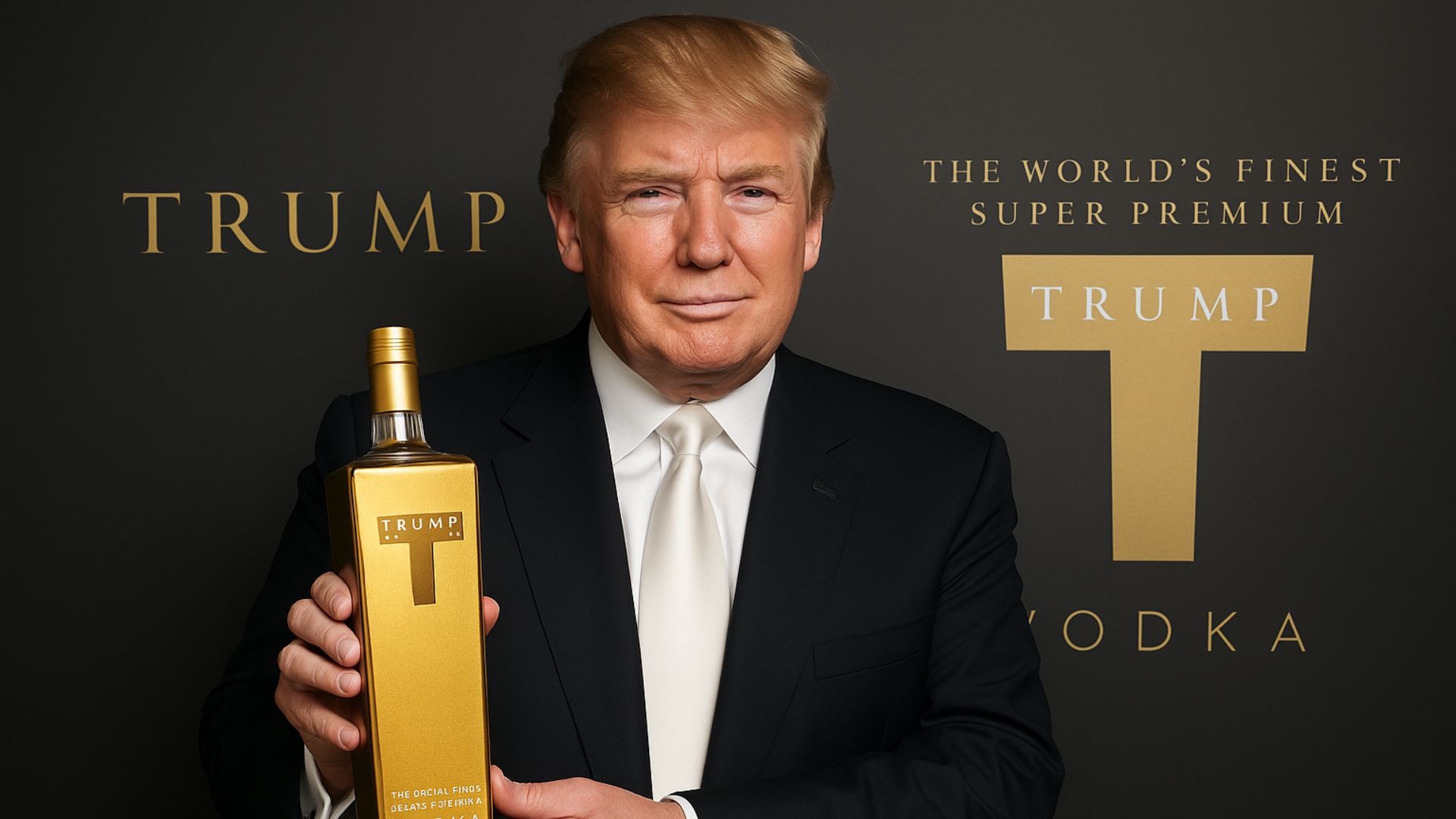
And then there’s Trump Vodka. In 2006, Trump launched his own vodka brand, marketed as “Success Distilled.” Trump Vodka was pitched as the premier luxury spirit, designed to sit on the top shelf next to Grey Goose and Belvedere. This wasn’t just some half-hearted licensing deal either; Trump promoted it like he was hawking real estate, boasting that it would be the most successful vodka in the world. The irony was thick—how does a man who’s never touched a drop of alcohol know anything about what makes a good vodka? His pitch was pure Trump: all bravado, no basis. Predictably, Trump Vodka fizzled out, disappearing from U.S. shelves by 2011.
The contradiction is staggering. Trump cites Fred’s death as the reason he’s never touched alcohol, claiming his brother’s struggle profoundly shaped his life. Yet that same tragedy didn’t stop him from cashing in on the very substance that killed his brother. Maybe it was just business, a cynical cash grab on the back of a global spirits market. Or maybe it’s another example of Trump’s unique ability to compartmentalize principle and profit. After all, the same man who promised to “drain the swamp” ended up neck-deep in it.
Trump Vodka’s failure is just a footnote in his business career, but it’s a telling one. It’s emblematic of the broader hypocrisy that defines so much of his brand. He’s a man who knows the cost of alcohol firsthand yet sold it without hesitation. It’s just business, right? Principles are for press conferences. Profits are forever.