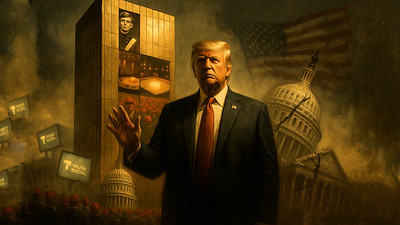
 The 2025 Supreme Court decision granting Donald Trump broad immunity from criminal prosecution for official acts has reshaped the legal landscape. While Trump himself now enjoys an unprecedented level of protection against accountability for his actions as President, those who stood alongside him may not be so fortunate. Advisors, cabinet members, and private operatives who operated in his orbit are now more exposed, facing potential legal consequences that may surface long after the headlines fade.
The Myth of Trickled-Down Immunity
The ruling in Trump v. United States was explicit: the president, and only the president, holds this unique level of protection. Cabinet members, senior advisors, and even private individuals who acted on his behalf do not share this luxury. The high court’s decision left no room for ambiguity—qualified immunity for aides and advisors remains, but absolute immunity is out of the question. This sets the stage for legal scrutiny that could unfold gradually over the coming years.
History offers a glimpse of what may lie ahead. Nixon’s Attorney General John Mitchell, along with senior aides H.R. Haldeman and John Ehrlichman, were prosecuted and sentenced for their roles in Watergate—years after the scandal initially broke. Their defense? They were carrying out orders from the White House. It didn’t matter. The courts drew a bright line: presidential orders do not confer legal invulnerability. The same principle still applies, regardless of who sits in the Oval Office.
Gradual Legal Pressure
With Trump’s immunity firmly established, state and federal prosecutors may turn their focus to the lieutenants and operatives who helped execute his directives. Mark Meadows, Trump’s former Chief of Staff, is already facing state charges in Georgia and Arizona for his role in the attempts to overturn the 2020 election. He argued his actions were part of his federal duties—a defense the courts rejected, ruling his involvement was political, not official. The outcome of his case may set a precedent for others in Trump’s orbit.
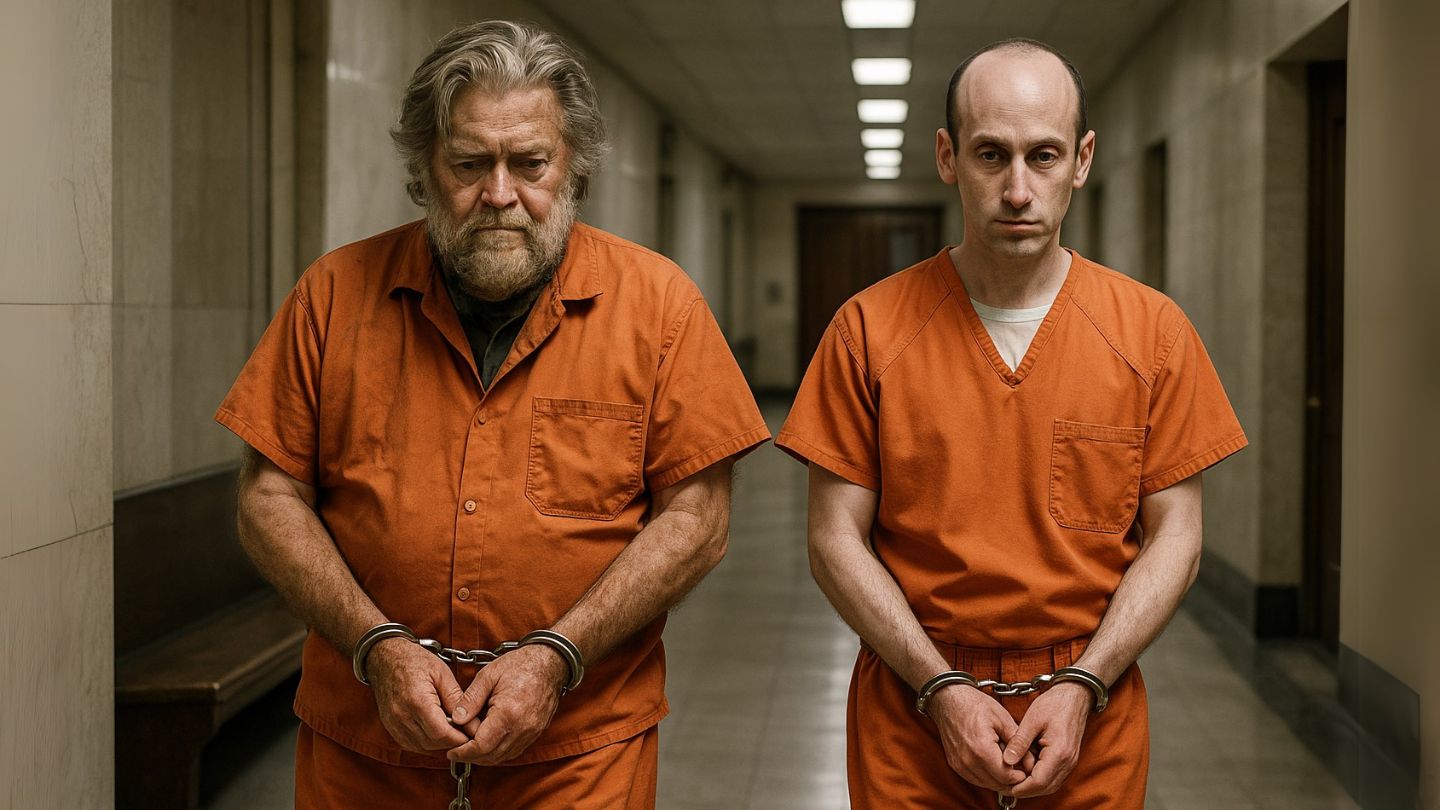
Steve Bannon and Stephen Miller, long-time architects of Trump’s policy agenda, are also under increasing scrutiny. Bannon’s contempt of Congress conviction in 2022 for defying a subpoena highlighted that executive privilege has its limits. Miller, the ideological force behind Trump’s immigration policies, may still face questions regarding his involvement in enforcement strategies that bordered on legal gray areas. Whether this scrutiny will lead to legal action remains to be seen, but the possibility is far from remote.
A Slow-Burning Reckoning?
Trump’s advisors, operatives, and cabinet members now occupy a precarious space. The president’s immunity may be impenetrable, but those who carried out his bidding remain vulnerable to the long arm of the law. Legal action may not be swift, but history has shown that accountability sometimes takes years to manifest. Prosecutors and civil suits may still follow the trail of actions taken during his administration, even if the fallout is delayed.
The myth of trickle-down immunity has been exposed. For Trump’s inner circle, the legal clock may be ticking—slowly, but inevitably.