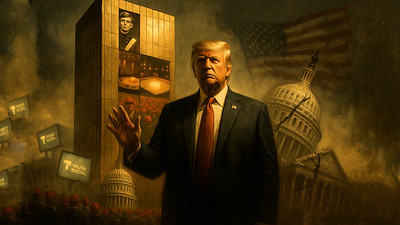
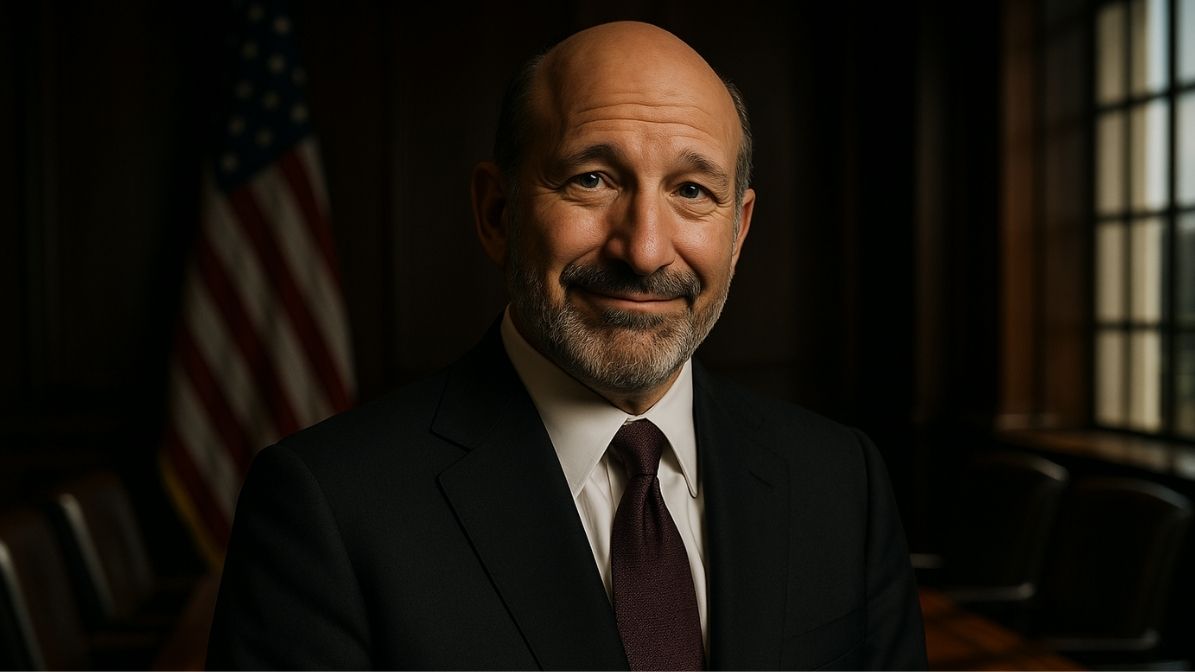
 Howard Lutnick is a name synonymous with high-stakes finance and unyielding ambition. Rising to prominence as the CEO of Cantor Fitzgerald, Lutnick’s legacy is permanently intertwined with the tragic events of 9/11. His leadership in the aftermath of that catastrophe—where Cantor Fitzgerald lost 658 employees in the World Trade Center—was both lauded and criticized. For some, he symbolized resilience and tenacity; for others, his handling of survivor benefits and restructuring efforts left a shadow over his reputation.
Lutnick’s approach to business is ruthless and unapologetic. His strategic acumen in leveraging technology to transform Cantor Fitzgerald into a powerhouse of electronic trading was nothing short of visionary. He capitalized on market shifts and technological advancements, pushing the firm into the digital age with platforms like eSpeed, which revolutionized bond trading.
But with success comes controversy. Lutnick’s aggressive expansion into the financial sector often skirted ethical lines, drawing criticism for prioritizing profits over people. His vocal support for deregulation and his deep connections with political power brokers have raised eyebrows, particularly in the wake of financial downturns where Cantor Fitzgerald seemed to emerge stronger while competitors faltered.
Now, as U.S. Secretary of Commerce under President Trump, Lutnick’s philosophy of ‘profit above all else’ is on full display. His policies reflect a businessman’s mindset—cutthroat efficiency, bottom-line focus, and a relentless drive to dismantle what he sees as bureaucratic roadblocks to economic dominance. Critics argue that his influence may tip the scales even further in favor of the financial elite, widening the gap between Wall Street and Main Street.
Blockchain and cryptocurrency are also in Lutnick’s sights. His understanding of blockchain technology as a decentralized ledger system that could streamline financial transactions and upend traditional banking structures fits perfectly with his disruptive approach to markets. Blockchain, in simple terms, is a digital ledger of transactions that is duplicated and distributed across an entire network of computer systems on the blockchain. It’s designed to be secure, transparent, and virtually tamper-proof—traits that have drawn interest from both financial institutions and technology innovators. Lutnick sees it as the next frontier, a way to further extend Cantor Fitzgerald’s reach and influence in global finance.
Recently, Lutnick’s media appearances have raised eyebrows, with many noting his often-confused demeanor and seemingly scripted responses. His interactions with Trump in public settings have only heightened this perception, where his sycophantic behavior is almost theatrical—nodding in agreement, echoing talking points, and visibly deferring to Trump’s authority, sometimes to the point of awkwardness.
In summary, Howard Lutnick’s journey from financial mogul to political power player is a testament to ambition unchecked by traditional boundaries. Whether his legacy will be seen as one of visionary leadership or ruthless profiteering is still up for debate—but one thing is certain: he’s not done shaking things up.