Homelessness in New York City is not a small problem. It affects tens of thousands of people every day, and the numbers keep rising. When you look closely at what is happening, it becomes clear that this is not just about a lack of housing. It is about systems that aren’t working, choices that leaders make, and what happens when too many warning signs are ignored.
How Many People Are Homeless Right Now?
New York City has one of the largest homeless populations in the country. On an average night in late 2025:
- More than 100,000 people sleep in city shelters.
- Over 35,000 of them are children.
- About 32,000 are single adults.
These numbers are similar to the population of a small city. They don’t include the thousands of people staying with friends, moving between temporary spaces, or living outside—groups that are much harder to count.
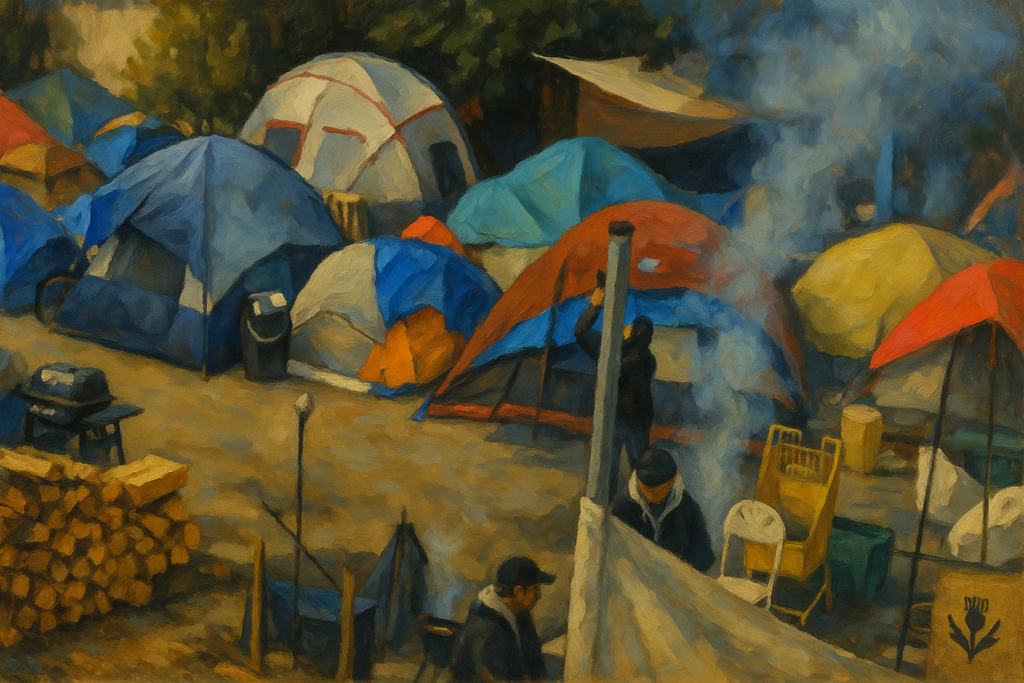
One major survey in January 2025 found about 4,500 people living outdoors or in places not meant for housing. That number is smaller than in many cities, mostly because New York has a law called “right to shelter.” This law requires the city to offer a place to stay to anyone who qualifies.
What’s Causing the Crisis?
There is no single cause. The real reasons stack on top of each other.
- Housing Costs Are Too High
Affordable apartments in New York are extremely rare. Vacancy rates for low-cost units are often below 1%, meaning almost nothing is available. When rents climb but wages don’t, people get pushed out.
- Evictions and Unsafe Housing
Many families become homeless after losing their homes due to job loss, unsafe conditions, or sudden rent increases. Domestic violence is also a major factor, especially for women and families.
- New Arrivals to the City
Since 2022, tens of thousands of asylum seekers have arrived in New York City. Many need shelter while they wait for work permits and legal processing. At times, they have made up a large share of the shelter population.
- Mental Health and Support Services
Some people who are homeless need medical care, therapy, or addiction services. When these systems don’t have enough staff or funding, people fall through the cracks.
- Long-Term Poverty
New York has deep economic inequality. Large numbers of residents face food insecurity and unstable housing, making them more likely to become homeless when something unexpected happens.

Who Is Most Affected?
Homelessness in NYC is not evenly spread.
- Families with children make up most of the shelter population.
- Black and Latino families are affected at much higher rates than white families.
- Many homeless students struggle in school because they move often, travel long distances, or don’t have a quiet place to study.
In the 2024–2025 school year, about 154,000 students in New York City experienced homelessness at some point. That’s nearly 1 in 7 children.
How the City Responds
Right-to-Shelter
New York City is one of the only cities in the United States with a “right-to-shelter” rule. This means the city must provide a bed to anyone who is eligible. This policy helps keep street homelessness lower than in many other big cities.
Encampment Sweeps
Under the previous mayor, city workers cleared homeless encampments in parks, on sidewalks, and near train stations. These sweeps removed thousands of tents and belongings, but outreach workers often said people were not being placed into stable housing. Many simply moved somewhere else.
The mayor-elect has announced plans to end encampment sweeps in 2026, calling them ineffective and harmful.
Hotels as Emergency Shelters
During times when shelters are full, the city rents hotel rooms to house families and new arrivals. Some reports say conditions vary widely, and many places lack basic services like laundry or counseling.
Gaps in the System
Audits in recent years have pointed out problems such as:
- inconsistent tracking of people after they leave shelters
- poor coordination between city agencies
- long delays in placing people into permanent housing
- not enough supportive housing for people with mental illness
These are long-standing issues, not new ones.
Why the Problem Doesn’t Go Away
Even as shelters get larger and new locations open, homelessness remains high. The main reasons are clear:
- Rents grow faster than wages.
- Affordable housing construction is too slow.
- Supportive housing has long waitlists.
- Many families are one emergency away from losing their home.
New York City’s shelter system is designed to offer safety, but it cannot fix deeper structural problems on its own.

What This Says About the City
The homelessness crisis is a sign of what happens when:
- housing becomes a competition rather than a basic need
- support systems are stretched thin
- people living on the edge are ignored or pushed aside
- leadership focuses on short-term solutions instead of long-term stability
Homelessness is not just about people without homes. It is about the choices a city makes—what it builds, what it funds, and who it protects.
The Path Forward
Experts and advocates often point to a few clear steps:
- Build more truly affordable housing.
- Expand supportive housing with mental health services.
- Improve rental assistance so families can stay in their homes.
- Coordinate city and state programs more effectively.
- Shift from enforcement to long-term solutions that keep people stable.
These ideas are not new, but the need for them is more urgent than ever.
Closing Thought
Homelessness in New York City is not a problem that appeared overnight, and it will not disappear quickly. But it reflects something important: how a city treats people who are at their most vulnerable. Solving it requires more than shelters or short-term fixes. It requires a serious commitment to dignity, stability, and a future where fewer people fall through the cracks.