They didn’t just pull the plug. They pulled the roots.
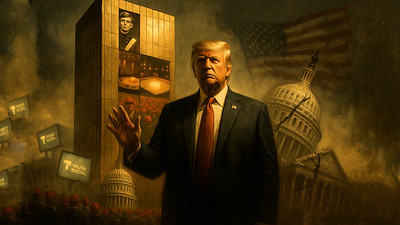
The decision to eliminate federal funding for the Corporation for Public Broadcasting wasn’t about cost. It was about contempt — for knowledge, for nuance, for the public good. The money saved? Less than a rounding error in the Pentagon’s budget. But the message sent? Devastatingly clear: if it can’t be sold, surveilled, or turned into spectacle, it isn’t worth keeping.
For over half a century, public media stood as one of the few unbought spaces in American life. PBS, NPR, and the patchwork of community stations around the country gave voice to the unglamorous. They educated without selling. They entertained without manipulating. They informed without distorting. They told stories that commercial outlets wouldn’t touch — because they weren’t profitable, because they were too local, too slow, too human.
Now? That space is gone.
Let’s be brutally honest. The people behind this defunding knew exactly what they were doing. This wasn’t a mistake. It was an execution. A slow-rolling purge of the civic trust, dressed up in the language of “fiscal responsibility” and “culture war.” They didn’t want to trim fat — they wanted to starve the public mind.
Public broadcasting was never neutral. It was ethical. That’s what made it dangerous.
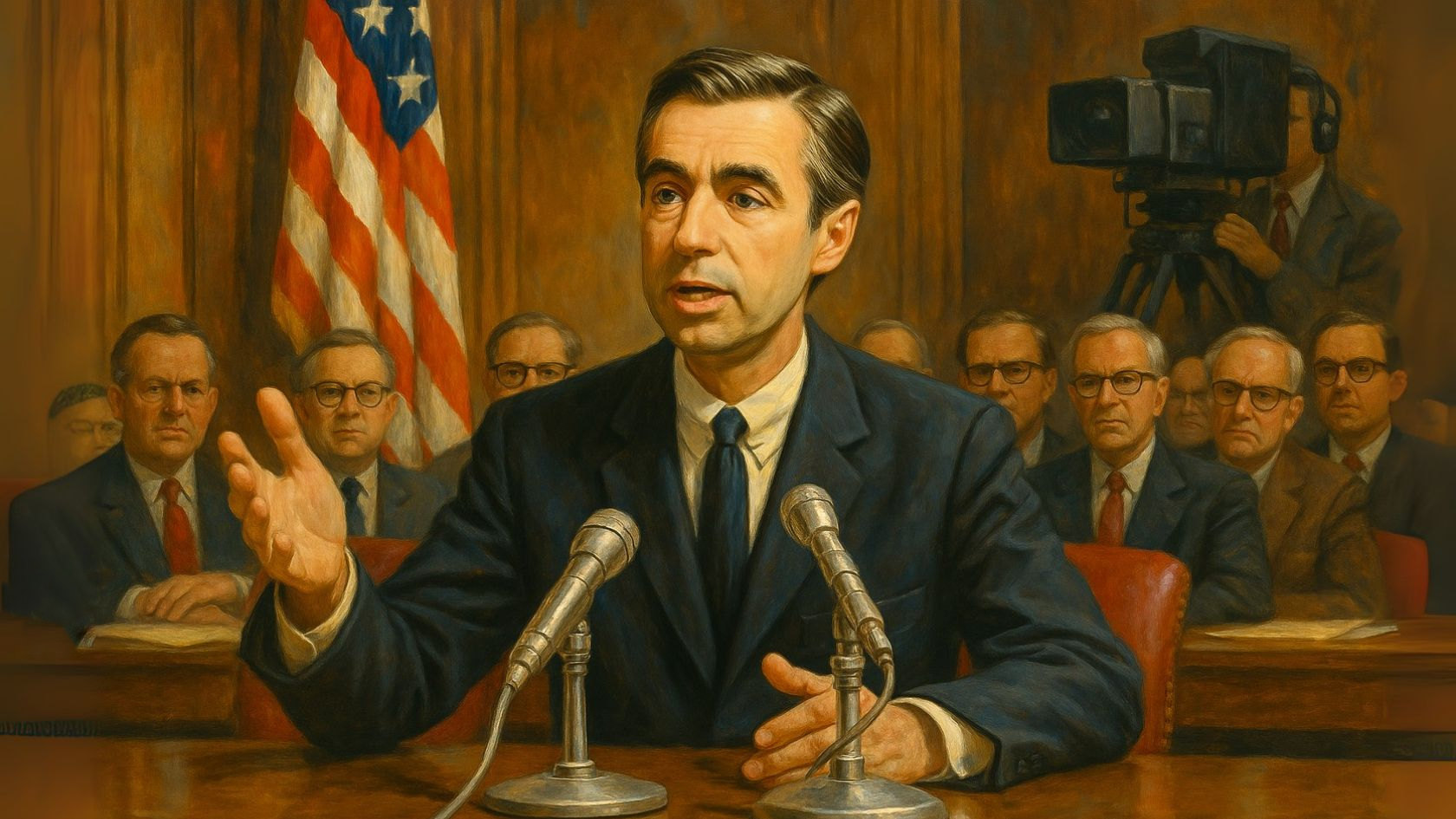
Because when Fred Rogers sat before Congress in 1969 and quietly changed the fate of $20 million in funding, he didn’t do it with numbers or charts. He did it with one plain sentence:
“I feel that if we in public television can only make it clear that feelings are mentionable and manageable, we will have done a great service.”
That terrified the right people. A generation later, those same people — now older, louder, and much more organized — have finally taken their revenge.
They’ve dismantled a system that helped millions of Americans grow up informed, empathetic, and less alone. They’ve erased the stations that held town halls, aired unfiltered hearings, and taught children how to count in multiple languages. They’ve gutted the trust we placed in that calm voice on the radio during crises — the one that told us what was real when nothing else seemed to be.
And in its place? An algorithmic wasteland. Rage clicks. Culture bait. Billionaire-owned media empires with no interest in the truth unless it can be monetized in twenty-four hours or less.
Some people will shrug. They’ll say PBS and NPR will survive on donations. Maybe. But survival isn’t the same as reach. And for every rural kid who now can’t stream “Reading Rainbow,” for every elder who can’t hear the local news without a paywall, for every immigrant family who counted on “Sesame Street” to teach their kids English and belonging — that distinction is life-altering.
This is how a country unravels. Not in a bang, but in the quiet loss of things that held us together.
It’s easy to mock puppets and piano lessons. To call Mister Rogers soft. To dismiss public radio as elitist or boring. But the people doing that never understood what was really at stake: the idea that not everything worth knowing has to come with a price tag or an agenda.
We cut public media not because it failed — but because it succeeded. It taught people how to think. And for the architects of this new American cruelty, that’s the one thing that cannot be allowed.
So now it’s up to us. To teach anyway. To share anyway. To fund the voices they tried to silence — not out of nostalgia, but out of necessity. Because a public that cannot hear itself is a public that cannot defend itself.
And we are dangerously close to that silence.