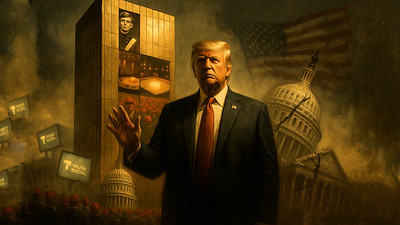
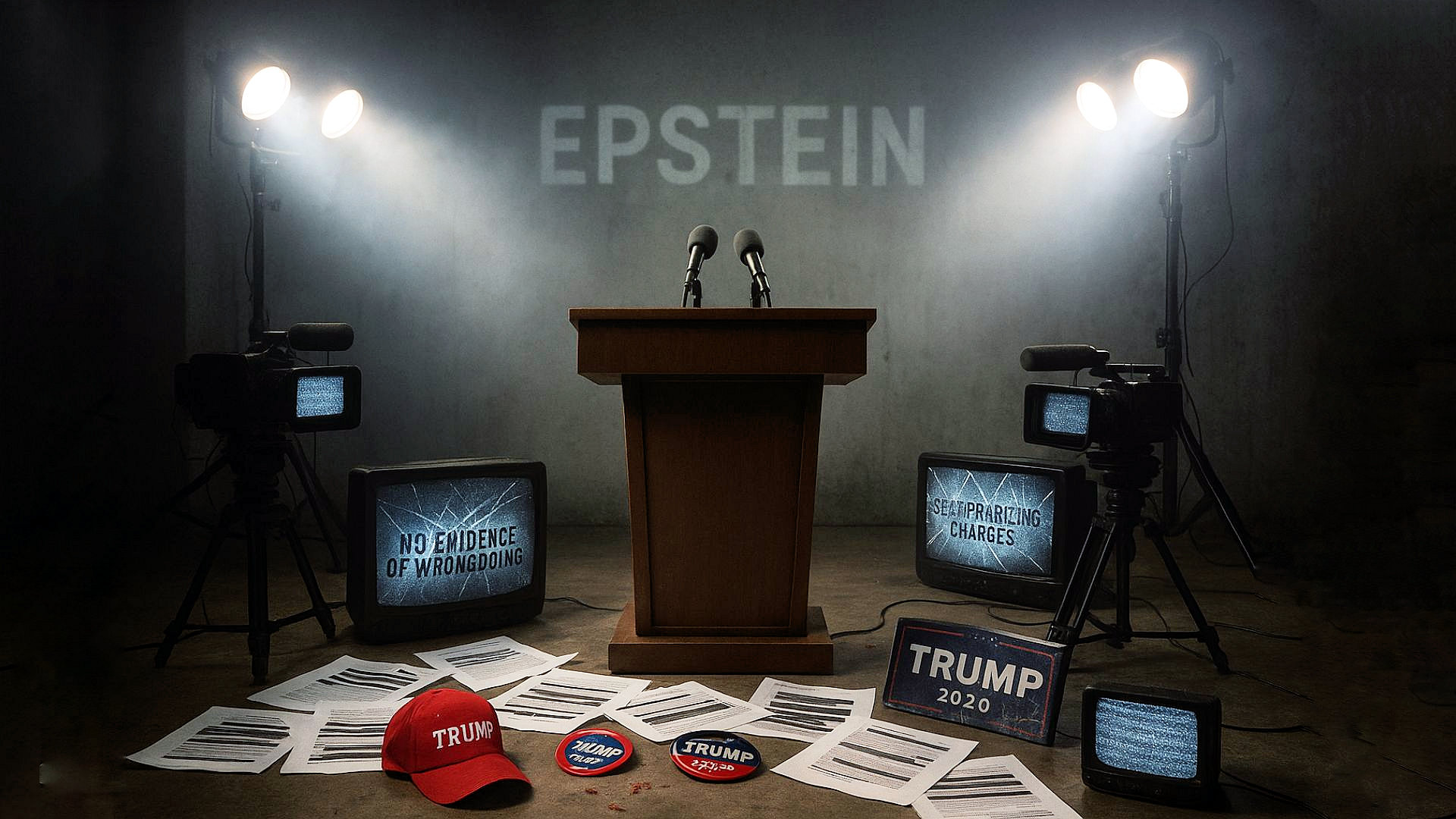
 Here’s a rule of thumb: when someone insists they’re being silenced, they’re probably trying to drown something else out.
Donald Trump spent the last week screaming into the void—at the Wall Street Journal, at CBS, at Barack Obama, at Hillary Clinton, even at the names of football teams. All while one story refused to die: his long and increasingly damning connection to Jeffrey Epstein.
This isn’t some vague conspiracy. This isn’t innuendo. This is about power, proximity, and protection.
Let’s rewind. In 2008, Epstein secured a plea deal so lenient it insulted decency. The prosecutor who signed off? Alex Acosta—later appointed by Trump as Labor Secretary. That’s not coincidence. That’s coordination.
During Trump’s presidency, Epstein was arrested again. And then—under federal watch—he died in jail. What followed was silence. Deafening silence. The kind of silence you buy when the truth is too dangerous to speak aloud.
But now, the files are surfacing. And with them, the realization that Trump isn’t the avenger of Epstein’s victims. He’s one of the reasons justice was delayed.
Trump’s play is as old as it is transparent: if you can’t defend yourself, attack everyone else. Invent scandals. Fan racism. Reanimate Hillary Clinton’s emails. Leak documents meant to smear Martin Luther King Jr. Paint yourself as the target.
But no amount of noise can obscure what’s taking shape: a reckoning.
The GOP is complicit. So is a media ecosystem that spent years treating QAnon as a curiosity instead of a cult. But now that the narrative has flipped, even some of Trump’s staunchest defenders are blinking.
The problem isn’t that people are suddenly outraged. It’s that they weren’t already.
This was always hiding in plain sight.