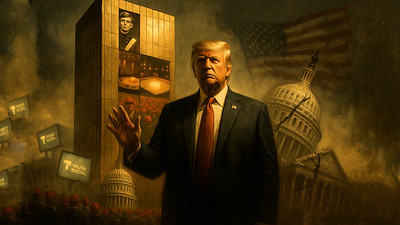
Political partnerships rarely last forever. Some dissolve quietly, others implode spectacularly. The relationship between Donald Trump and Vladimir Putin has long been framed as something more than transactional — a curious blend of admiration, strategic overlap, and performance for their respective audiences. Yet beneath the theatrics, fractures have begun to show, raising the question: has the Trump–Putin “bromance” finally reached its breaking point?
From the earliest days of Trump’s first campaign, his deference to Moscow was unmistakable. He praised Putin as a “strong leader,” dismissed evidence of Russian interference in the 2016 election, and repeatedly undercut U.S. intelligence assessments in favor of Putin’s denials. For years, the dynamic seemed set: Trump needed Putin as both foil and ally, while Putin benefitted from a pliable American president willing to weaken NATO unity and disrupt Western consensus.
But power relationships are never static. Putin’s war in Ukraine has dragged on far longer than Moscow anticipated, reshaping global alignments and testing U.S. tolerance for authoritarian “strongmen.” Trump, now back in the White House, faces a different landscape than he did in 2016. America is war-weary but not blind, and overt concessions to Russia carry a higher political cost.
The recent meeting between Trump and Putin in Alaska offered a telling snapshot. While the optics suggested familiarity — two men in tailored suits, exchanging smiles and handshakes — the substance was thin. Trump floated the idea of Kyiv making a deal, echoing Moscow’s framing, but he offered no ceasefire and no concrete path forward. For Putin, the optics alone were useful, reinforcing his image of parity with Washington. For Trump, the calculation was murkier. He could neither afford to alienate his nationalist base, which sees Russia as a counterweight to globalist institutions, nor appear openly subservient to a foreign power while domestic critics scrutinize every move.
This balancing act exposes the fragility of the “bromance.” Putin needs affirmation and diplomatic cover. Trump needs the performance of strength without the appearance of capitulation. Their interests overlap only so far as both can exploit each other for domestic advantage. Beyond that, the relationship becomes a liability.
The cartoonish rendering of Trump handing his heart to Putin — stitched smiles, hollow eyes — captures the essence of this uneasy partnership. It is stitched together, not organic. It is transactional, not loyal. And like all stitched seams under strain, it risks tearing apart.
The larger question is not whether Trump and Putin can sustain their personal chemistry. It is whether the United States, under Trump’s leadership, will tether its foreign policy to the whims of authoritarian spectacle. If the Alaska meeting is any indication, the bromance may still linger — but its cracks are visible, and the consequences of rupture could reshape not only their futures, but ours.