 There’s a story beneath the story in Los Angeles.
Yes, eight felony charges against anti-ICE protesters were dismissed. Yes, the Department of Justice walked away from a case it had aggressively pursued. But the deeper truth? The government lied—and it thought it could get away with it.
What collapsed in Los Angeles wasn’t just a prosecution. It was a test run of authoritarian infrastructure: manufactured charges, false reports, and a network of legal deference designed to intimidate dissent, not adjudicate justice.
That it failed is worth noting.
That it nearly succeeded is worth far more.
The Machinery of Fiction
The official narrative painted the protesters as aggressors. Felony interference. Assault on federal agents. Disruption of lawful immigration operations. Each charge was filed with confidence, packaged with the usual bureaucratic gloss that makes state power seem precise and righteous.
But video evidence—uncontrolled, unfiltered, undeniable—told a different story.
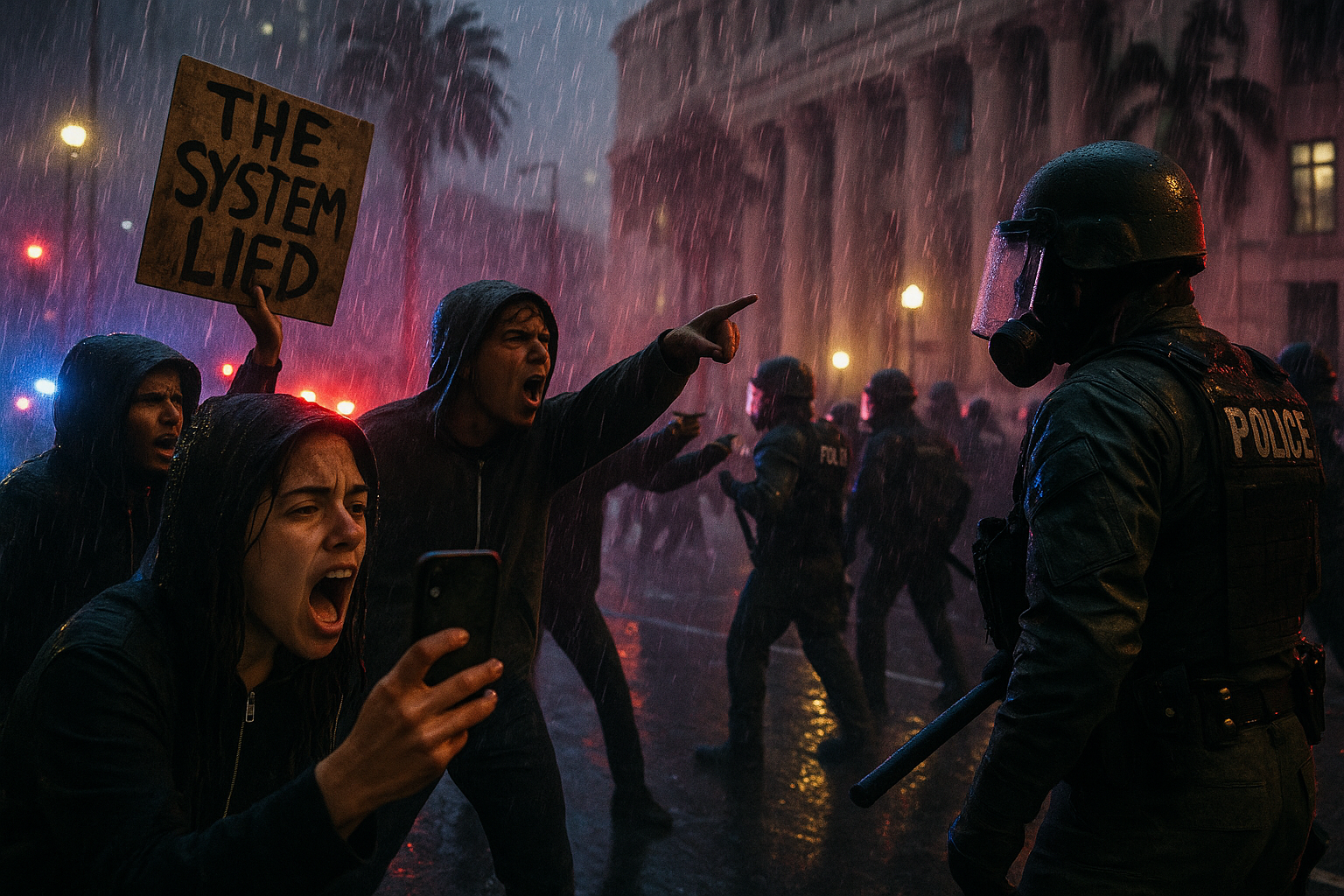
Protesters weren’t assaulting agents. They were observing, recording, and shouting from legal distances. The supposed “interference” amounted to protected speech and lawful assembly. The DHS reports were not mistaken—they were manufactured. False placements. Fabricated provocations. Entirely invented timelines.
This wasn’t a rogue officer. This was institutional fiction, submitted to federal courts, signed off by prosecutors, and waved through on the assumption that no one would look too closely.
Why It Failed
This wasn’t a system correcting itself. It was a system getting caught.
Public defenders, civil rights lawyers, and a handful of investigative reporters did the work that internal oversight refused to do. They matched timelines, subpoenaed footage, tracked device metadata, and exposed contradictions. Only then—under pressure and in public—did prosecutors begin withdrawing the charges “in the interest of justice.”
That phrase always arrives like a Band-Aid over an amputation.
What it really means here is: We can’t lie our way through this one. Too many people saw.
A Blueprint of Control
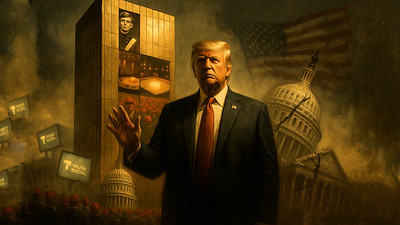
The Trump administration’s use of federal immigration enforcement has always rested on a dual strategy: expand the scale, and blur the rules. The ICE raids in sanctuary cities like Los Angeles weren’t just about removals—they were about asserting federal dominance over local resistance. Political theater by way of uniform.
When protesters pushed back—filming raids, blocking intersections, documenting excessive force—they weren’t just exercising rights. They were disrupting the narrative.
That’s what the charges were for. Not to secure convictions. To punish visibility. To scare the next protester. To flood the system with examples that say: If you stand up, you get swallowed.
It didn’t work this time. But the attempt tells us everything we need to know.
What “Justice” Looks Like Now
Let’s talk consequences.
The protesters will go home, cleared—but not unharmed. They’ve spent months facing felony charges, enduring court dates, media exposure, job instability, and fear. Their names are still in databases. Their lives were interrupted. Their message—the one they were arrested for trying to deliver—was buried beneath procedural warfare.
The agents who lied?
They remain unnamed.
They remain uncharged.
They remain in uniform.
No criminal referral. No internal review. No public reckoning.
This is what institutional imbalance looks like: individuals bear the weight of accusation, but institutions walk away clean, even when caught in perjury.
The Real Stakes
We cannot treat this as an isolated failure. What happened in Los Angeles is replicable—and likely already replicated elsewhere. The tactics used here were tested in Portland, seen in Atlanta, echoed in Chicago. They all rely on a simple formula:
- Inflate the threat.
- Lie in the paperwork.
- Hope no one checks.
If someone does check? Fall back. Say it was a mistake. Dismiss the case quietly and move on. But if no one checks? A new precedent is set: that law enforcement can fabricate evidence to silence opposition—and the system will back them until exposed.
That’s how authoritarianism spreads—not by sweeping declarations, but by small permissions and silent retreats.
What Comes Next
Los Angeles County is considering reforms: banning masked officers, requiring ID display during enforcement, tightening local cooperation rules. That’s necessary, but insufficient.
Because the core problem isn’t lack of laws. It’s lack of enforcement against the enforcers.
We need federal oversight with teeth. We need whistleblower protections for agents inside the system. We need data transparency on federal-local joint operations. And most of all, we need prosecutors willing to prosecute not just the powerless, but the powerful who falsify state violence.
Anything less is cosmetic.
Final Words
This wasn’t justice served. This was injustice exposed. And only barely.
The protesters didn’t win because the system worked—they won because they documented, resisted, and refused to disappear. Their charges are gone, but the blueprint remains: how to lie under oath, and how close you can get to making it stick.
We’ve seen the script now. We know what it looks like.
The only question is whether we keep watching.