 Sharing a note from a friend:
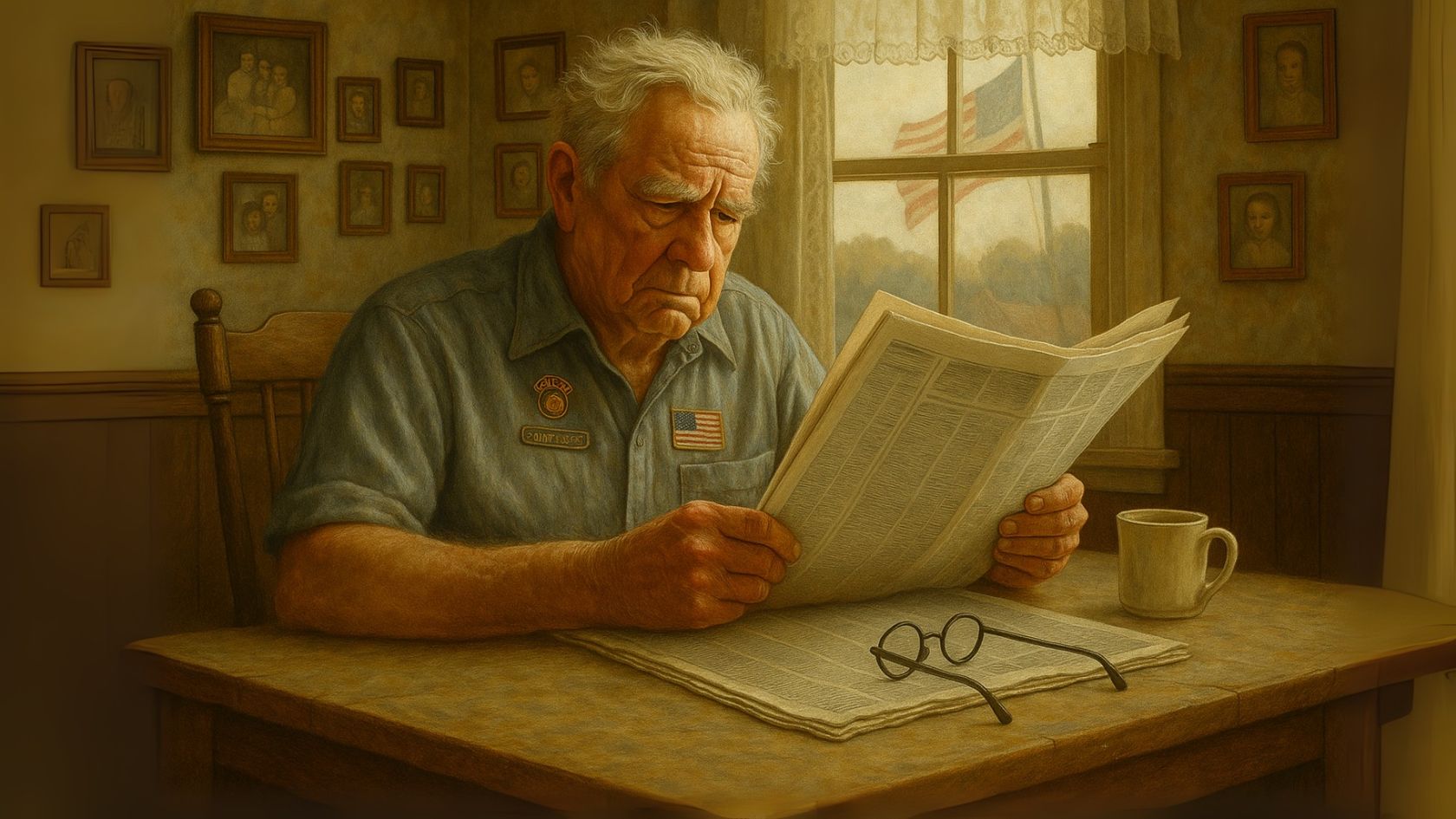
For most of my life, I was an optimist.
Not in the naïve sense—I knew the world wasn’t perfect. But I believed that the system, flawed as it was, mostly worked. That it could be reformed, steered, bent toward fairness. I believed that those in power, even when they got it wrong, at least remembered they served something larger than themselves.
I don’t believe that anymore.
It’s taken me most of my life to understand a truth that was always there, hiding in plain sight: the system has always been against us. Against the people who work, save, follow the rules. Against the people who don’t have lobbyists or offshore accounts. Against the people who still believe in decency, community, and country.
The system I’m talking about isn’t just government. It’s power. Wealth. Entrenchment. The club that doesn’t advertise its existence but never stops meeting. For a while—roughly the middle of the 20th century—it looked like maybe things had changed. The rich paid their fair share. Unions had clout. A single income could support a family. There was a sense, even if incomplete, that the rising tide was lifting more than just yachts.
Then came Reagan.
Then came the long, slow theft masquerading as freedom. “Reaganomics” was never about growth. It was about extraction. It still is. Trickle-down was a lie that trickled up for forty years. Deregulation, privatization, tax cuts for billionaires—these weren’t policy ideas. They were a looting strategy.
And we let it happen. What later became MAGA let it happen.
I let it happen. Because I wanted to believe.
But belief has a cost when it outlives its evidence.
At 67, I’m still a work in progress, plus I’m still working because Social Security isn’t enough.
I don’t claim to have it all figured out. But I know this: the rich and powerful aren’t coming to save us. They never were. They’re too busy building escape pods—financial, political, even literal—for when the rest of us are left to deal with the consequences of their decisions.
It’s not too late to fight back. But first we have to see things as they are, not as we wish them to be.
And that starts with the courage to say: I was wrong. But I see more clearly now.