 Key Points

- The MAGA movement, rooted in Donald Trump’s “Make America Great Again” slogan, is a complex coalition with significant internal divisions.
- Ideological splits exist between Christian Nationalists, QAnon influencers, America First isolationists, Traditional Conservatives, libertarian entryists, and “New Right” accelerationists.
- Leadership rivalries, such as those between Steve Bannon and Elon Musk or Ron DeSantis and Trump, highlight competing visions for the movement’s future.
- Foreign policy, particularly on Ukraine aid, is a major point of contention, with some supporting aid and others opposing it as contrary to America First principles.
- Narratives around January 6th vary, with some MAGA figures downplaying the event while others acknowledge its severity, causing internal friction.
- Strategic disagreements over issues like abortion and vaccine mandates reflect differing priorities between electoral pragmatism and ideological purity.
- Media fragmentation, with outlets like War Room, Daily Wire, and Gateway Pundit, amplifies these divisions through divergent messaging.
- Fundraising conflicts, driven by super PACs like MAGA Inc. and Never Back Down, show competition for donor support among factions.
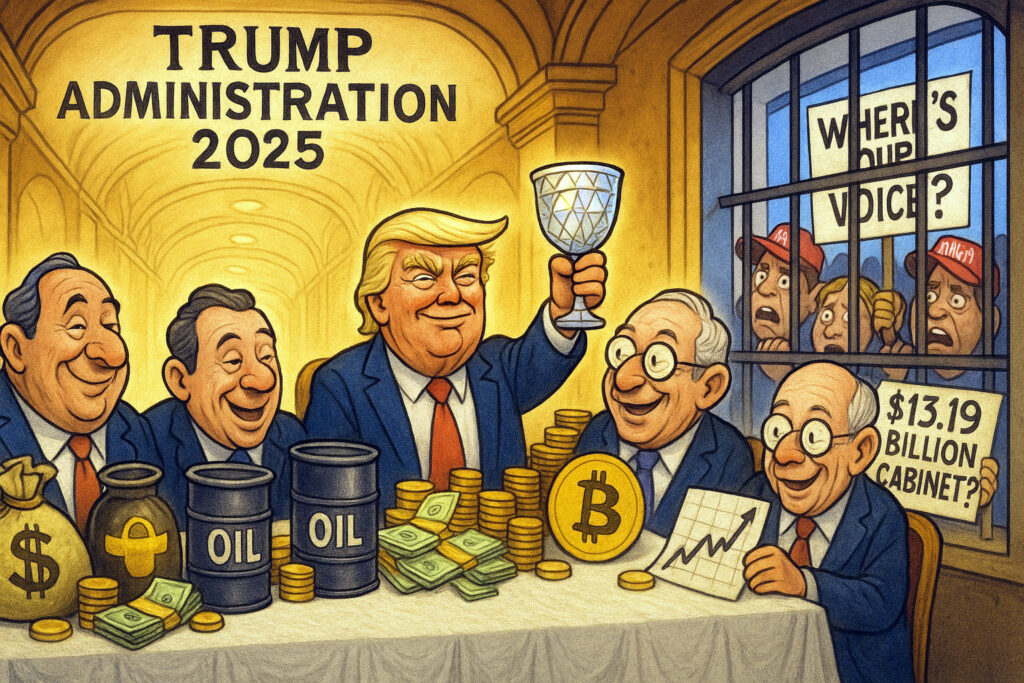
- Trump’s second-term cabinet appointments in 2025 attempt to balance these factions but may exacerbate tensions due to differing policy goals.
- Loyalty to Trump remains a central issue, with some figures like Mike Pence and Mitch McConnell facing backlash for diverging from his agenda.
- These divisions could influence the movement’s cohesion and its ability to shape right-wing populism in the U.S. moving forward.
- The trajectory of the MAGA movement may hinge on whether it consolidates under Trumpism or fragments into competing post-Trump factions.
Overview of Divisions
The MAGA movement, centered around Donald Trump’s political ideology, is not a monolith but a coalition of diverse groups with varying priorities. Research suggests that ideological differences, leadership rivalries, and strategic disagreements create significant internal tensions. These divisions impact Trump’s ability to unify his base, shape policy, and maintain influence over the Republican Party. For instance, conflicts over foreign policy, such as aid to Ukraine, and social issues like abortion highlight the challenges of aligning factions with differing goals. Media outlets and fundraising efforts further reflect these splits, with some amplifying populist rhetoric while others adopt a more traditional conservative tone.
Impact on Trump’s Agenda
In his second term, starting January 2025, Trump faces the challenge of navigating these divisions to advance his agenda. The appointment of cabinet members from various factions, such as business leaders like Elon Musk and loyalists like Stephen Miller, suggests an attempt to balance competing interests. However, disagreements over policies like tariffs or abortion could hinder cohesive governance. Trump’s response, such as endorsing candidates like Byron Donalds over potential rivals like Casey DeSantis, indicates he may exploit these divisions to maintain control.
Future of Right-Wing Populism
The internal fractures within the MAGA movement could shape the future of right-wing populism in the U.S. While Trump’s leadership currently holds the coalition together, the presence of ambitious figures like Ron DeSantis and Steve Bannon suggests potential for post-Trump factionalism. The movement’s ability to consolidate or evolve will depend on how these tensions are managed, particularly as the 2026 midterms and 2028 presidential election approach.
Background and Origins
The MAGA movement emerged during Donald Trump’s 2016 presidential campaign, rallying around the slogan “Make America Great Again.” It initially coalesced around shared grievances against globalization, immigration, and perceived elite corruption, uniting diverse groups including working-class voters, evangelicals, and conservative activists. During Trump’s first term (2017–2021), the movement maintained relative cohesion through media alliances like Breitbart News and Fox News, and organizations such as the Tea Party. These entities amplified Trump’s narrative of restoring American greatness, fostering a sense of unity despite underlying ideological differences. However, as Trump’s influence grew, tensions between factions began to surface, particularly over policy priorities and leadership ambitions.
Major Factions and Subgroups
The MAGA movement comprises several distinct factions, each with its own leaders, influencers, and networks:
- Christian Nationalists: This group seeks to infuse governance with conservative Christian values, often through initiatives like Project 2025. Key figures include Kevin Roberts of the Heritage Foundation, Russell Vought of the Center for Renewing America, and William Wolfe, who advocate for policies like banning abortion and promoting religious education. Their influence is evident in Trump’s appointments and policy proposals, such as those targeting reproductive rights.
- QAnon Influencers: Centered around conspiracy theories about a deep state, QAnon supporters include figures like Rep. Marjorie Taylor Greene, who promoted these ideas before her 2020 election to Congress. Although Greene later distanced herself from QAnon, her initial support reflects the faction’s appeal within the MAGA base.
- America First Isolationists: This faction prioritizes non-interventionist foreign policy, opposing aid to countries like Ukraine. Sen. Rand Paul is a leading figure, advocating for reduced U.S. involvement abroad, aligning with Trump’s “America First” rhetoric.
- Traditional Conservatives: Figures like Mitch McConnell and Mike Pence represent establishment Republicans who supported Trump but have since faced backlash for diverging on issues like election certification and foreign policy. Their influence has waned as the MAGA movement leans more populist.
- Libertarian Entryists: The Mises Caucus within the Libertarian Party, led by Michael Heise and including figures like Ron Paul, has aligned with MAGA through shared anti-establishment views. Their invitation to Trump at the 2024 Libertarian convention highlights this overlap.
- New Right Accelerationists: Led by Steve Bannon, this group seeks to disrupt the current system to rebuild it according to nationalist principles. Influenced by thinkers like Curtis Yarvin, they advocate for radical change, often resonating with far-right online communities.
Points of Tension
Several issues create significant divisions within the MAGA movement:
- Foreign Policy (Ukraine Aid vs. Isolationism): The debate over Ukraine aid is a major fault line. Figures like Marjorie Taylor Greene, Tucker Carlson, and Charlie Kirk oppose aid, viewing it as contrary to America First principles, while Lindsey Graham and Mike Pompeo support it for strategic reasons. Trump’s suspension of aid in 2025, followed by potential resumption tied to mineral deals, reflects his attempt to navigate this divide.
- January 6th Narratives: The MAGA movement has conflicting narratives about the January 6, 2021, Capitol riot. Some, like Trump and his allies, downplay it as legitimate political discourse, while others, like former “MAGA Granny” Pamela Hemphill, acknowledge wrongdoing. A 2024 YouGov poll shows 27% of Americans view it as legitimate, indicating the narrative’s traction among MAGA supporters.
- Fealty to Trump vs. Post-Trump Ambitions: Loyalty to Trump is a central issue, with figures like Ron DeSantis facing challenges for challenging him in 2024. Trump’s endorsement of Byron Donalds over Casey DeSantis for Florida governor in 2026 highlights ongoing rivalries.
- Strategic Disagreements: On abortion, Christian Nationalists push for a national ban, while Trump and some MAGA politicians prefer state-level decisions for electoral reasons. Vaccine mandates see broad opposition, but nuances exist, with some supporting vaccines but opposing mandates, while others are broadly anti-vaccine.
Key Personalities and Rivalries
Prominent figures within the MAGA movement have caused rifts through their ambitions and messaging:
- Steve Bannon: A key strategist, Bannon’s War Room podcast promotes populist and anti-establishment narratives. His feud with Elon Musk over H-1B visas and globalist tendencies exemplifies class-based tensions within the movement.
- Marjorie Taylor Greene: Known for her QAnon ties and opposition to Ukraine aid, Greene’s outspokenness has made her a polarizing figure, even within MAGA circles.
- Ron DeSantis: Once seen as a potential successor to Trump, DeSantis’s 2024 presidential bid and subsequent isolation highlight his rivalry with Trump, particularly over the 2026 Florida governor race.
- Tucker Carlson: A media influencer, Carlson’s opposition to Ukraine aid and vaccine mandates aligns with isolationist and populist factions, but his stance has drawn criticism from figures like Rep. Dan Crenshaw.
- Laura Loomer: A far-right activist, Loomer’s criticism of DeSantis and alignment with Trump loyalists amplify internal conflicts.
- Charlie Kirk: As head of Turning Point USA, Kirk’s opposition to Ukraine aid and vaccine mandates resonates with younger MAGA supporters but clashes with more hawkish figures.
Media Fragmentation
The MAGA movement’s media ecosystem is fragmented, with outlets reflecting different ideological priorities:
- War Room: Steve Bannon’s podcast pushes populist, anti-establishment narratives, strongly opposing Ukraine aid and promoting conspiracy theories. It serves as a platform for America First isolationists and New Right accelerationists.
- Daily Wire: Led by Ben Shapiro, this outlet offers a more traditional conservative perspective, supporting Ukraine aid with oversight and engaging in nuanced policy discussions. Its feud with Candace Owens over Israel-Hamas policy highlights internal disagreements.
- Gateway Pundit: Known for far-right, conspiracy-driven content, it aligns with Bannon’s opposition to Ukraine aid and amplifies election fraud claims, catering to QAnon and populist factions.
These outlets deepen divisions by catering to different subgroups, with War Room and Gateway Pundit appealing to the populist base, while Daily Wire targets a broader conservative audience.
Money and Influence
Fundraising bodies and donors play a significant role in reinforcing or fracturing MAGA unity:
- MAGA Inc.: This super PAC, raising over $400 million by 2025, is a primary vehicle for Trump’s campaigns, supporting loyalists and exerting influence over the GOP.
- Never Back Down: Previously supporting Ron DeSantis, this super PAC faced turmoil and shifted resources to anti-Trump efforts, indicating competition for donor support.
- America PAC: Backed by Elon Musk, this super PAC supports Trump’s 2024 campaign and other conservative causes, reflecting the influence of tech billionaires.
- Susan B. Anthony Pro-Life America: This group supports anti-abortion candidates and aligns with Christian Nationalists, but its disagreement with Trump over a national ban shows tensions.
Donors like Timothy Mellon and the Uihleins prioritize different issues, from economic policies to social conservatism, leading to competition for influence within the movement.
Impact on Trump and 2024+
In his second term, Trump’s agenda is shaped by these internal divisions. His cabinet, including figures like Scott Bessent (Treasury) and Robert F. Kennedy Jr. (Health and Human Services), reflects an attempt to balance factions. However, disagreements over policies like tariffs and Ukraine aid complicate governance. Trump’s suspension of Ukraine aid in 2025 aligns with isolationists but risks alienating hawks like Lindsey Graham. His endorsement of Byron Donalds over Casey DeSantis shows he exploits rivalries to maintain control. These fractures could weaken his base if not managed, especially as the 2026 midterms approach.
Interaction with Broader GOP
The MAGA movement’s internal strife impacts its relationship with the broader GOP. Traditional Republicans like Mitch McConnell, who criticized MAGA as “completely wrong,” face marginalization. The RNC has aligned closely with Trump, but state party disputes, such as in Florida over DeSantis’s influence, reflect ongoing tensions. The GOP’s national election strategy must navigate these divisions, balancing MAGA’s populist appeal with the need to win moderate voters.
Recent Flashpoints
Since January 2025, several controversies have escalated factionalism:
- Bannon vs. Musk: Bannon’s criticism of Musk as “truly evil” over H-1B visas highlights class divisions, with posts on X amplifying the feud.
- DeSantis vs. Trump: Trump’s endorsement of Byron Donalds over Casey DeSantis for Florida governor sparked tensions, as reported by Politico on February 24, 2025.
- Ukraine Aid Suspension: Trump’s decision to suspend aid, followed by potential resumption, caused debates among MAGA figures, with Greene celebrating the halt and Graham warning of consequences.
Trajectory and Forecast
The MAGA movement’s future depends on its ability to manage these divisions. It may consolidate under Trump’s leadership if he successfully balances factions through appointments and policy compromises. However, the presence of ambitious figures like DeSantis and Bannon suggests potential fragmentation into post-Trump factions. The movement’s influence on right-wing populism will likely persist, but its cohesion could falter if ideological and leadership rivalries intensify, particularly as the 2028 election looms.
Key Citations
- Trump establishes White House Faith Office in 2025
- Paula White heads Trump’s White House Faith Office
- Money, Lies and God: Inside Christian Nationalism Movement
- Jesus and John Wayne by Kristin Kobes Du Mez
- Russell Vought’s role in Project 2025 and Trump administration
- Christian nationalism’s influence on January 6 insurrection
- White Christian nationalism in Trump’s campaign
- Mitch McConnell criticizes MAGA movement
- Capitol riot paths and Christian nationalism
- Trump supporters pray outside Capitol on January 6
- Trump’s influence on megachurch sermons post-shooting
- Rob Reiner discusses Christian nationalism in Trump era
- Trump’s campaign and Christian religion
- Trump allies plan Christian nationalism in second term
- Supreme Court and Chevron regulations in Trump era
- Trump allies and Project 2025 influence
- Trump rally shooting and religious narratives
- Documentary on Christian nationalism in America
- More Than I Imagined by John Blake